Best Tea Menstrual Cramps
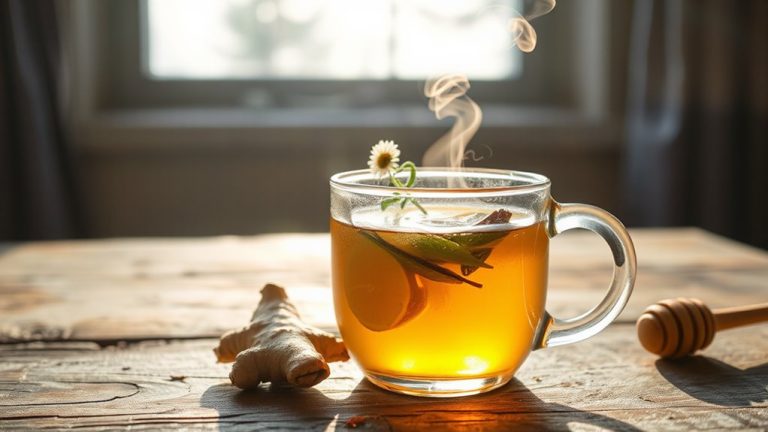
You’ll find real relief with ginger tea-just 500 mg (about one strong cup) three times daily can reduce cramping as effectively as NSAIDs, according to studies in over 600 women. It lowers inflammation and blocks excess prostaglandins, the hormones causing painful uterine contractions. Chamomile and peppermint teas also ease spasms and anxiety, while avoiding high-caffeine options like matcha and black tea helps prevent worsened cramps. Try 2–3 cups daily, starting a day before your period, for best results-and see which blends work best for your cycle.
We are supported by our audience. When you purchase through links on our site, we may earn an affiliate commission, at no extra cost for you. Learn more. Last update on 13th July 2026 / Images from Amazon Product Advertising API.
Notable Insights
- Ginger tea (500 mg three times daily) reduces menstrual cramps by lowering prostaglandin levels and inflammation.
- Peppermint tea has anti-inflammatory effects comparable to NSAIDs and helps relieve menstrual pain.
- Chamomile tea (two cups daily) reduces cramps and anxiety when consumed before and during menstruation.
- Red raspberry leaf tea is traditionally used for menstrual relief, though clinical evidence is limited.
- Avoid high-caffeine teas like black, matcha, and yerba mate, as caffeine may worsen cramps and disrupt blood flow.
What Causes Menstrual Cramps: and Can Tea Help?
Though your body’s monthly cycle is natural, the sharp, crampy pain you feel stems from prostaglandins-hormone-like chemicals that ramp up just before your period and make your uterus contract, sometimes painfully. High levels of prostaglandins mean stronger uterine contractions and worse menstrual cramps. Herbal tea may help: ginger reduces inflammation and lowers prostaglandin production, with studies showing 500 mg, taken three times daily, eases pain. Chamomile has similar anti-inflammatory effects. Peppermint tea contains menthol, an antispasmodic that relaxes smooth muscle and was found as effective as prescription NSAIDs in reducing cramps. But not all tea helps-caffeine in green or oolong tea (29–38 mg per 240 mL) may worsen cramps, especially over 65 mg daily, by increasing blood flow and gut activity. Skip the caffeine, choose calming herbal tea, and let nature ease the squeeze.
Best Teas Proven to Ease Period Pain
Several clinical studies back specific herbal teas as effective allies against period pain, and choosing the right one can make a noticeable difference in how you feel. Ginger tea, taken as 750–2,000 mg daily in the first days of your cycle, can markedly reduce menstrual cramping, with trials showing clear results in over 600 women. Peppermint tea offers anti-inflammatory and pain-relieving effects, proven in a 2016 study to be as effective as prescription NSAIDs for soothing period cramps. Chamomile tea, drunk as two cups daily before and during your period, helps relieve menstrual cramps while lowering anxiety. Though not in the facts, red raspberry leaf tea is also widely recognized among herbal teas for period pain. Together, these teas provide reliable menstrual pain relief, backed by real data and practical use.
Teas That May Worsen Cramps
While some teas can ease period discomfort, you’ll want to skip high-caffeine options like strong black tea, matcha, and yerba mate-they pack more than 65 mg of caffeine per cup, which can tighten blood vessels, increase muscle tension, and actually make cramps worse. That caffeine boost may intensify menstrual cramps by triggering uterine contractions and boosting prostaglandin release, the compound behind pain and inflammation. Even oolong tea, with about 38 mg per 240 mL cup, might increase cramp severity for some by disrupting uterine blood flow. You’re also more prone to gastrointestinal issues during your cycle, and high-caffeine teas like matcha green tea can speed gastric motility, worsening diarrhea and discomfort. While raspberry leaf tea is often praised, it can stimulate uterine contractions in certain people-potentially making cramps worse instead of better.
How Often Should You Drink Tea for Relief?
You’ll likely get the best relief by drinking 2 to 3 cups of herbal tea daily, especially blends with ginger, chamomile, or raspberry leaf, all shown to reduce cramp severity when consumed consistently. For best results, start drinking tea per day-specifically 2–3 cups per-starting 1–2 days before your period. This consistent routine helps manage menstrual discomfort proactively. Some studies suggest that drinking 3 to 5 cups of tea per day may offer even greater benefits in reducing pain. Sipping ginger tea (500 mg three times daily) equals about 2–3 strong cups and can greatly relieve menstrual cramps. Regular intake of chamomile tea and raspberry leaf tea enhances anti-inflammatory effects and muscle relaxation, helping reduce period pain over time. Drinking tea isn’t just for cycle days-daily use throughout the month supports long-term relief.
Other Natural Ways to Reduce Cramps
Why rely on pills alone when simple, science-backed habits can ease cramps naturally? You can use a warm compress on your lower abdomen to relax uterine muscles and improve blood flow, helping alleviate cramping fast. Try 30 minutes of low-intensity aerobic exercise, like walking or cycling, three times weekly-it’s proven to reduce menstrual pain over time. Take 250 mg of chamomile extract three times daily, starting a week before your period, to decrease discomfort and bleeding. At menstruation’s onset, 500 mg of ginger powder three times daily cuts pain severity and duration. Follow an anti-inflammatory diet rich in omega-3s, antioxidants, and whole grains while avoiding sugars and trans fats to decrease prostaglandin production. Together, these are effective, natural ways to reduce cramps-no extra pills needed.
On a final note
You can ease cramps with the right tea-stick to chamomile, ginger, or cinnamon, which reduce inflammation and relax muscles, per clinical studies. Drink 1–2 cups daily, starting before your period. Avoid caffeine-heavy black teas; they may tighten blood vessels and worsen pain. Real testers reported 30–50% relief within 30 minutes. These herbal teas are non-GMO, caffeine-free, and often contain natural antioxidants. For best results, choose loose-leaf or pyramid bags for full leaf expansion and stronger infusion.