Best Tea to Replace Coffee
You’ll love Assam, pu-erh, or matcha-they deliver 50–75 mg of caffeine per cup, bold flavor, and smooth focus without coffee’s jitters or crash. These teas offer malty depth, earthy complexity, or rich umami, and thanks to L-theanine and slow caffeine release, your energy stays steady. Brew them strong with loose leaves and a longer steep for full effect, and discover how tea can truly power your day. Your next morning ritual starts here.
We are supported by our audience. When you purchase through links on our site, we may earn an affiliate commission, at no extra cost for you. Learn more. Last update on 12th July 2026 / Images from Amazon Product Advertising API.
Notable Insights
- Assam tea offers a bold flavor and ~50 mg caffeine, making it a strong coffee alternative.
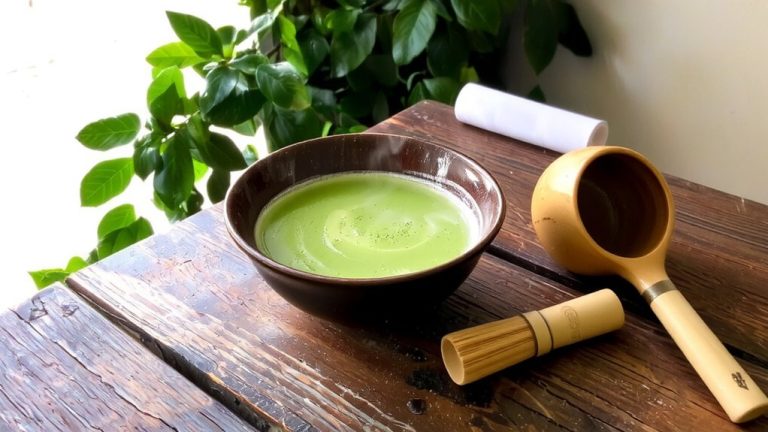
- Matcha green tea provides ~75 mg caffeine and sustained energy with calm focus.
- Pu-erh tea has earthy depth and up to 60 mg caffeine, ideal for coffee drinkers seeking complexity.
- Lapsang Souchong matches smoky coffee notes with a distinct pine-fired taste and steady caffeine.
- Roasted oolong delivers a toasty, cocoa-like profile with ~40 mg caffeine for balanced energy.
Why Quit Coffee? How Tea Offers a Smoother Start
While coffee might give you a quick jolt, it often comes with jitters, crashes, and a dependency that’s hard to shake-usually because a single cup packs 95 to 200 mg of caffeine. You’ve likely felt the extreme caffeine highs followed by the inevitable crash, disrupting your morning coffee routine. If you want to replace my morning coffee, consider tea to replace coffee. Black teas, with about 50 mg of caffeine, offer a steady lift without jitters. Matcha green tea delivers 75 mg of caffeine, the highest among true teas, plus it contains an amino acid-l-theanine-that promotes calm focus. You can drink black or green varieties daily, relying on their lower caffeine and balanced energy. Over time, this shift reduces dependence, stabilizes mood, and supports sustained focus-no more highs and lows.
Top 11 Teas That Replace Coffee (And Actually Satisfy)
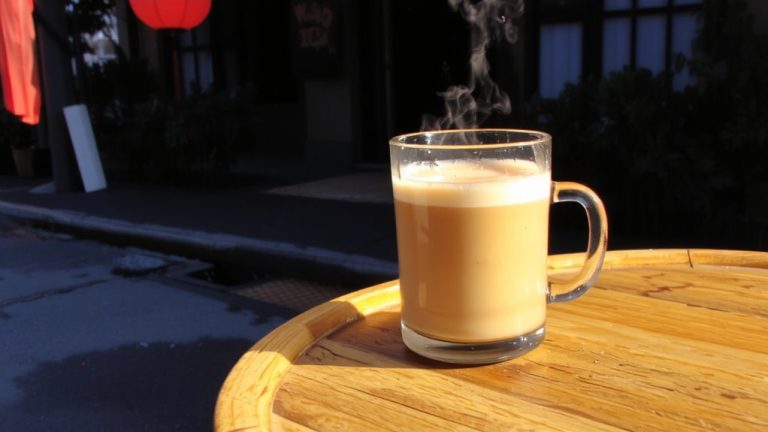
You’ve got options when it comes to swapping coffee for tea, and the best ones deliver not just a satisfying caffeine kick but also rich flavor and smooth energy-no crash included. Try bold flavor-packed black tea like Assam tea or Ceylon tea, each with about 50 mg caffeine content per cup. Pu-erh tea offers 60 mg and deep earthy notes, while matcha gives 75 mg with calm focus thanks to l-theanine. Roasted oolong brings toasty, cocoa-like depth at 40 mg, and a spiced chai latte-often made with Assam tea-delivers warmth and complexity. This isn’t just a tea to replace coffee-it’s an upgrade.
| Tea | Caffeine | Feeling |
|---|---|---|
| Matcha | 75 mg | Alert, calm |
| Pu-erh tea | 60 mg | Grounded, awake |
| Chai latte | 50 mg | Warm, energized |
Match Your Coffee’s Taste to These Tea Replacements
Finding the right tea to replace your coffee isn’t just about caffeine-it’s about matching the flavor profile you crave. If you want to make a smooth coffee to tea switch, match your coffee’s taste with these picks. Love bold, malty coffee? Go for Assam black tea-it’s rich, full-bodied, and has about 50 mg of caffeine in tea per cup. Prefer dark, chocolatey notes? Keemun black tea delivers smoky, slightly sweet depth with the same caffeine kick. Smoky coffee fans should try Lapsang Souchong, a black tea fired over pine for intense campfire flavor. For earthy, aged complexity, ripe pu-erh tea offers deep, woodsy tones and up to 60 mg of caffeine. Craving something balanced? Roasted oolong, like Black Dragon Pearl, gives cocoa and roasted notes. These are the best tea to replace coffee, cup for cup, flavor for flavor.
Brew Tea Stronger: Methods That Boost Caffeine and Flavor
If you’re used to coffee’s bold kick, brewing tea stronger isn’t just about using more leaves-it’s about smart extraction. Use loose-leaf black, pu-erh, or matcha: these tea types deliver more caffeine and richer flavor than bagged tea. Steep them 5–7 minutes in boiling water (200–212°F) to fully extract energy-boosting compounds, especially from dense pu-erh or roasted tea leaves. For a stronger brew, increase the tea-to-water ratio-try 2–3 grams per 8 oz. Matcha, with about 75 mg caffeine per cup, and pu-erh, at 60 mg, come closest to coffee’s punch when prepared this way. You can even re-steep robust teas like pu-erh, getting multiple rounds of bold flavor and extra caffeine. With the right method, your tea isn’t just a substitute-it’s a powerful upgrade.
How Tea Gives Calm, Lasting Energy: Without the Crash
While coffee hits fast and fades fast, tea delivers a smoother, more grounded kind of energy-one that keeps you alert without the shakes or sudden slump. That’s because tea offers balanced stimulation: moderate caffeine (25–50 mg per cup) and L-theanine, which boosts alpha brain waves for calm energy. Together, they support sustained attention and mental clarity without the coffee crash. Tea’s slow caffeine release, aided by polyphenols, means longer-lasting focus and stable mood. Unlike coffee’s adrenal spike, tea gives you steady power-ideal for deep work or long days.
| Benefit | Tea vs. Coffee |
|---|---|
| Caffeine level | 25–50 mg (tea) vs. 95–200 mg (coffee) |
| Energy quality | Calm energy with L-theanine |
| Crash risk | Minimal due to slow caffeine release |
| Focus support | Enhanced sustained attention and mental clarity |
On a final note
You’ve got better options than coffee, and tea delivers-smooth energy, no crash. Try bold black teas like Assam or Chinese breakfast blends, steeped 4–5 minutes for 40–70mg caffeine per cup. Matcha gives 70mg with L-theanine for focus, tested by morning shift workers who stayed alert, calm. Oolong, roasted and full-bodied, satisfies deep flavor cravings. These teas support metabolism, antioxidants, sustained alertness. You’ll sip smarter, feel steadier, perform better-every morning.