Best Black Tea for Milk Tea: Assam, Dong Jyue & More
Start with bold, high-tannin Assam CTC teas like Taylors or Tea India for a rich, malty base that holds up to milk and creates a creamy mouthfeel, 3–5 minute steeps pull out depth without excessive bitterness, while CTC fannings in Dong Jyue or Waka’s instant powder deliver quick, strong brews ideal for iced or sweetened versions, each serving gives 35–60mg caffeine, and whole-leaf options like Locca add smoothness if you prefer nuanced flavor, stick to 2 tsp sugar per cup to balance briskness. You’ll discover which type matches your preferred texture, sweetness, and strength as we go.
We are supported by our audience. When you purchase through links on our site, we may earn an affiliate commission, at no extra cost for you. Learn more. Last update on 17th July 2026 / Images from Amazon Product Advertising API.
Notable Insights
- Assam black teas, especially CTC-processed, deliver bold, malty flavors that stand up to milk and sugar perfectly.
- Whole-leaf Assam or organic loose-leaf varieties offer rich, nuanced taste ideal for creamy, high-quality milk tea.
- CTC fannings brew strong and fast, making them excellent for sweet milky drinks like boba or chai.
- Teas with high tannin content create a smooth, silky mouthfeel when mixed with milk proteins.
- Instant black tea powders and concentrates provide convenience while maintaining robust flavor for milk tea.
Taylors Assam Black Tea (50 Count)

If you’re after a bold, malty backbone for your milk tea, Taylors Assam Black Tea delivers, especially when you’re making strong, traditional brews that stand up to milk without fading. I use one 2.5-gram pillow-style bag per cup, pour freshly boiled water, and steep it 4–5 minutes. It unfolds a rich, full-bodied flavor-no artificial stuff, just 100% natural Assam leaves from India’s Brahmaputra Valley. It’s naturally caffeinated, high in antioxidants, and certified carbon neutral, Rainforest Alliance, and Ethical Tea Partnership-approved. I’ve tried it hot and iced-it’s sturdy, never bitter, and always smooth with milk.
Best For: Tea lovers who enjoy a robust, malty black tea that holds up well with milk and prefer sustainably sourced, certified beverages.
Pros:
- Rich, full-bodied flavor with a smooth, malty profile ideal for traditional milk tea
- Made from 100% natural Assam tea leaves, high in antioxidants and naturally caffeinated
- Ethically sourced and certified carbon neutral, Rainforest Alliance, and Ethical Tea Partnership-approved
Cons:
- May be too strong or bold for those who prefer lighter or more delicate teas
- Pillow-style bags, while tagless, may not appeal to those used to traditional tea bag designs
- Single-origin focus means less complexity compared to blended black teas
Dong Jyue Black Tea Bags (24-Pack)

I reach for Dong Jyue Black Tea Bags when I need a reliable, high-strength base that holds up to milk and sweeteners without turning bitter or flat, especially in busy setups where consistency matters. Each 25g bag brews 2,000ml of smooth, malty tea-perfect for milk tea or boba. I’ve tested them in high-volume shops, and they deliver bold, clean flavor every time. Crafted by a trusted Taiwanese producer, these commercial-grade bags brew fast (5–8 minutes) and stay rich over ice. They’re efficient, consistent, and built for real-world use-no guesswork, no waste. When quality counts, these perform.
Best For: Commercial tea shops, cafes, and beverage professionals needing a consistent, high-strength black tea base for milk tea, boba, and iced tea applications.
Pros:
- Brews 2,000ml of bold, smooth tea per 25g bag, ideal for batch preparation and high-volume service
- Maintains rich flavor and clarity when combined with milk, sweeteners, or ice
- Fast 5–8 minute steep time with reliable, consistent results from a trusted Taiwanese manufacturer
Cons:
- Larger 25g tea bags may be excessive for small-scale or personal use
- Limited flavor variety within the product line
- Higher price point compared to retail-grade tea bags due to commercial focus
Waka Instant Black Tea Mix (4.5oz)
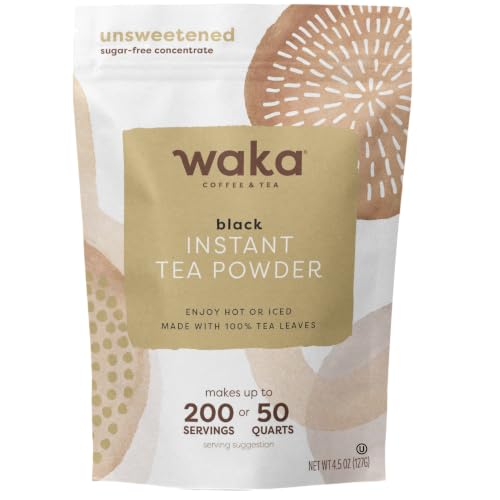
This unsweetened, 100% pure black tea powder is perfect for anyone who wants a quick, high-quality milk tea without the hassle of brewing loose leaves, and I’ve found it shines brightest for busy tea lovers who still care about flavor and integrity. I use just a pinch-about 0.5 grams-to make a smooth, bold cup with subtle fruity notes, and it dissolves instantly in hot or cold milk. Each 4.5oz pouch delivers up to 200 servings, so it’s affordable at roughly $0.10 per cup. With 35mg of caffeine per serving, it’s mellow but effective. I love that it’s got zero additives, comes in eco-friendly packaging, and supports clean water projects worldwide.
Best For: Busy tea lovers who want a quick, high-quality, and authentic black tea experience without the need for brewing, ideal for those who value convenience, purity, and sustainability.
Pros:
- Made from 100% pure black tea with no additives, sugar, or artificial ingredients
- Extremely convenient-dissolves instantly in hot or cold liquids with no steeping required
- Eco-friendly packaging and supports global clean water initiatives
Cons:
- Lower caffeine content may not satisfy those seeking a strong energy boost
- Subtle fruity notes may not appeal to fans of traditional malty or smoky black tea profiles
- Powder form may feel less authentic to traditional loose-leaf tea enthusiasts
The Republic of Tea Milk Tea Concentrate

The Republic of Tea’s Tablespoon Milk Tea for Boba Concentrate is my top pick for anyone who loves boba shop-style drinks but wants to save time and skip the sugar overload at home. I just shake it well, mix one serving with 7.5 oz of milk or oat milk, and enjoy it hot or iced. It’s made with brewed black tea, filtered water, and a touch of cane sugar-no artificial junk. I love that it’s gluten-free, kosher, and uses natural flavors. After opening, I keep it refrigerated and finish it within 30 days. I’ve tried it with cooked boba pearls and a milk foam topping-tastes just like the real deal.
Best For: People who enjoy boba-style milk tea at home without the hassle of sugary, artificial ingredients or frequent boba shop visits.
Pros:
- Easy to prepare with milk or plant-based alternatives for a barista-style drink
- Made with clean ingredients like brewed black tea, cane sugar, and natural flavors
- Certified kosher and gluten-free, meeting key dietary standards
Cons:
- Must be refrigerated and consumed within 30 days of opening, limiting shelf life
- Requires additional purchases (e.g., boba pearls, milk foam) for full boba experience
- Contains sugar, which may not suit low-sugar or keto diets
Amazon Saver, Classic Black Tea, 8 Oz, 100 Ct

Rainforest Alliance Certified and built for daily use, Amazon Saver Classic Black Tea delivers consistent flavor even when steeped strong, making it an ideal pick for anyone who enjoys a no-frills milk tea without skimping on quality. I brew mine for 4–5 minutes, and it’s always robust enough to hold up to milk and a touch of sugar. Each box holds 100 individually wrapped tea bags-so it lasts for months-ideal for stocking the pantry. Part of Amazon’s straightforward Saver line, it’s affordable at under $0.10 per serving, with no fancy packaging to inflate the price. It’s not artisan-grade, but it’s reliable, ethically sourced, and perfect for everyday use.
Best For: Budget-conscious tea drinkers who want a reliable, ethically sourced black tea for daily milk tea without paying for premium branding.
Pros:
- Rainforest Alliance Certified for ethical sourcing
- Affordable at under $0.10 per serving
- Individually wrapped tea bags ensure freshness and longevity
Cons:
- Basic flavor profile not suited for tea enthusiasts seeking complexity
- Packaging is minimal and not resealable
- Not organic or specialty-grade, limiting appeal for health- or quality-focused buyers
Locca Premium Black Tea (8oz)

If you’re serious about making milk tea at home or serving it in a café, Locca Premium Black Tea (8oz) delivers the bold flavor and consistent quality that boba enthusiasts demand. I’ve brewed it strong for milk tea, and it holds up beautifully-rich, malty, and never bitter. These whole-leaf teas are hand-selected, giving each cup deep color and a smooth, full-bodied aroma. The 8oz resealable pouch keeps 227 grams fresh, perfect for batch brewing. I use it for hot, iced, or boba tea, adjusting strength easily. It steeps fast, infuses evenly, and pairs flawlessly with milk and tapioca pearls. Trust me, your drinks taste more authentic with every sip.
Best For: Home tea enthusiasts and café owners seeking premium, consistent black tea ideal for crafting authentic milk, boba, or iced tea.
Pros:
- Delivers rich, full-bodied flavor and robust aroma perfect for boba and milk tea
- Convenient 8oz resealable bulk packaging preserves freshness and supports batch brewing
- Versatile loose-leaf format allows customizable strength and easy adaptation for hot or iced beverages
Cons:
- May be pricier than standard grocery store black tea brands
- Loose leaf format may require strainers or filters, less convenient for quick single servings
- Strong flavor profile might be too intense for those preferring mild tea taste
Assam Organic Loose Leaf Black Tea (1lb)

When you’re after a milk tea base that holds up to creaminess without fading into the background, Assam Organic Loose Leaf Black Tea from 20 Leaves delivers the bold punch you need. I use 3 grams per 8 ounces of near-boiling water, steeping it 5 minutes for a rich, malty brew with hints of fruit and spice. The full-bodied amber liquor stands strong with milk, never getting lost. Sourced from India’s famed Assam region, this 100% certified organic tea comes in a resealable 1-pound kraft bag-great for bulk brewing. Grown without synthetic chemicals, it’s a trustworthy choice, and 20 Leaves’ 28-year expertise means I’m getting fresh, high-quality leaves every time.
Best For: Tea lovers seeking a robust, organic black tea ideal for morning brews and milk-based chai.
Pros:
- Bold, malty flavor with nuanced fruit and spice notes perfect for a full-bodied cup
- 100% certified organic and sourced from the renowned Assam region for authenticity
- Comes in a resealable 1-pound kraft bag, offering value and freshness for bulk use
Cons:
- Requires precise brewing (3g per 8oz, 5-minute steep) to avoid bitterness
- Whole leaf format may be less convenient for those used to tea bags
- Strong flavor profile may overwhelm those preferring lighter, more delicate teas
Twinings English Breakfast Black Tea (100 Count)

I’ve found that Twinings English Breakfast Black Tea (100 Count) is one of the top 5 black teas for milk tea lovers who want a bold, reliable brew without fuss. I use one teabag per cup, steeping it in boiling water for 3–5 minutes, and it delivers a smooth, robust flavor every time. The blend of Kenyan and Assam black teas gives it depth, standing up well to milk and sugar. Each teabag is individually wrapped, locking in freshness and making it perfect for my desk, car, or travel bag. Twinings also supports sustainable farming, improves water access, and empowers women in tea communities-so every cup feels good.
Best For: Milk tea lovers seeking a bold, full-bodied black tea with convenient, individually wrapped teabags and a socially responsible brand.
Pros:
- Blends robust Kenyan and Assam black teas for a rich, smooth flavor that holds up well with milk and sugar
- Individually sealed teabags ensure lasting freshness and portability for home, work, or travel
- Committed to sustainability, supporting improved water access, women’s empowerment, and resilient tea communities
Cons:
- Contains caffeine, which may not suit those sensitive to stimulants or seeking decaffeinated options
- Some may find the flavor profile too strong or astringent if over-steeped beyond 5 minutes
- Limited flavor variety within the pack-100 teabags of the same English Breakfast blend only
Tea India Assam Black Tea (32 Oz)

You’ll get the richest, most authentic milk tea experience with Tea India Assam Black Tea if you prefer a bold, no-nonsense brew that holds up to milk and sugar without fading, thanks to its CTC processing and pure Assam origin. I use one teaspoon per cup, steep it 3–4 minutes, and it delivers a strong, aromatic cup every time. The CTC method crushes tea leaves into tiny pellets, boosting intensity-perfect for chai. Sourced from Assam, India, it’s 100% natural, fully caffeinated, and makes about 64 cups per 32-oz package. I add milk, and the flavor stays robust, never watery. Grown in India and produced in the Americas, it’s consistent, fresh, and ideal for daily use-morning tea, iced tea, or classic masala chai. It’s my go-to when I want real Indian flavor without compromise.
Best For: Tea lovers who want a strong, authentic Assam black tea for daily chai, breakfast tea, or iced tea with bold flavor that stands up to milk and sugar.
Pros:
- Intense, robust flavor due to CTC processing, ideal for milky chai and traditional preparations
- Made from 100% natural ingredients sourced from Assam, India, ensuring authenticity and quality
- Generous 32-ounce package yields approximately 64 cups, offering great value for daily tea drinkers
Cons:
- Loose leaf format may require a tea infuser or strainer, which is not included
- Strong, bold taste may be too intense for those who prefer mild or floral teas
- Produced in the Americas rather than India, which may affect freshness or traditional character for purists
Ito En Black Milk Tea, Sweetened, 11.8 Ounce (Pack of 12)

I keep a case of Ito En Black Milk Tea, Sweetened, 11.8 ounce bottles on hand for days when I want a satisfying milk tea fix without the hassle of brewing or measuring, and it’s my go-to pick for anyone who values convenience without sacrificing quality. I love that it uses real Sri Lankan black tea, giving it a rich, bold base with smooth depth. Sweetened with cane sugar, it’s sweet but never cloying, and the creamy finish mimics a café-made drink perfectly. With all-natural ingredients, it’s a clean-tasting option I feel good about drinking daily. Each 11.8-ounce bottle is portion-controlled, so I never overdo it. I grab one when I’m on the go, need a midday lift, or want flavor without fuss. It’s tea I trust, every time.
Best For: Busy individuals who want a high-quality, ready-to-drink milk tea with natural ingredients and authentic flavor without the effort of brewing.
Pros:
- Made with real Sri Lankan black tea for a rich, bold taste
- Sweetened with natural cane sugar and free from artificial ingredients
- Convenient, portable, and consistently delivers a café-quality experience
Cons:
- Contains added sugar, making it unsuitable for those avoiding sweetened beverages
- Plastic bottle packaging is less environmentally friendly
- Larger 11.8-ounce size may not satisfy those preferring a bigger drink volume
Factors to Consider When Choosing Black Tea for Milk Tea
You’ll want to match the tea’s flavor profile to your preferred milk and sweetness level, since bold Assam blends hold up to creamy whole milk while lighter Ceylon teas shine with plant-based alternatives, and each responds differently to sugar or honey. Check the caffeine content-many black teas range from 40–70 mg per 8 oz cup-so pick a level that fits your tolerance without overpowering the drink’s smoothness. Make sure your brewing method, whether loose-leaf, bagged, or cold-brew, aligns with the tea’s cut and oxidation level for balanced extraction, minimal bitterness, and a clean finish that pairs well with milk.
Flavor Profile Matching
What makes a black tea stand up to milk without fading into the background? You need a robust, malty base with bold astringency-think Assam or Ceylon-that stays strong when mixed. Full-bodied teas brew intensely, so even when diluted with milk or ice, your drink won’t turn watery. Look for natural fruity or spicy notes; they add depth and make each sip more aromatic. Tannins are key, too-they react with milk proteins to boost mouthfeel, giving that creamy texture you love. And don’t overlook flavor concentration: mild teas vanish under sweeteners or flavor syrups, but a high-tannin, malty black tea holds its ground. You want presence, structure, and balance-qualities that shine in traditional breakfast blends or second-flush Darjeelings. Match these traits, and you’ve got milk tea with real character, sip after satisfying sip.
Caffeine Content Level
While brewing a satisfying milk tea, caffeine content plays a bigger role than most realize, especially when strength and stamina matter. You’ll typically get 30 to 80 mg of caffeine per 8-ounce cup, depending on how long you steep and what type of tea you use. Steeping past 5 minutes pulls out more caffeine, so time it right if you’re sensitive. CTC (Crush, Tear, Curl) teas pack a faster, stronger punch than whole-leaf versions-great for bold milk tea with a kick. Once brewed, adding milk or sugar doesn’t dilute the caffeine-it stays just as strong. If you’re drinking multiple cups or going for a concentrated brew, watch your total intake; big servings add up quick. Choosing the right black tea means matching caffeine to your tolerance and needs, so check the processing type and steep time to stay in control.
Brewing Method Compatibility
Though brewing time and technique vary, matching your black tea to the right method guarantees a rich, balanced milk tea every time. If you’re using tea bags or infusers, pick CTC-processed teas-they brew strong in 3–5 minutes and stand up well to milk and sugar. You’ll get bold color and consistent flavor, perfect for daily use. For loose leaf, go with full-leaf Assam or Ceylon, steeped 5+ minutes in 190–210°F water to extract deep maltiness. Batch brew up to 2000ml for cafes or family servings-great for efficiency. Or skip steeping entirely: instant black tea powders dissolve fast in hot or cold liquid, giving you full control over strength and sweetness without waiting. Each method delivers, so choose based on speed, volume, and texture you want. Testers note CTC and instant brews save time, while loose leaf offers nuanced depth.
Milk Pairing Quality
If you’re after a milk tea that’s rich and well-balanced, start with a black tea that’s bold and full-bodied, since strong malty notes hold their own when mixed with milk instead of fading into the background. Go for CTC-processed teas-they’re crushed finely, so they brew strong, astringent, and dark, blending smoothly with milk for a creamy texture. High tannin levels react with milk proteins, giving you a silkier mouthfeel and a more rounded taste. Look for teas with deep amber or reddish liquor; those colors signal strength and richness that match milk’s creaminess. And if you love iced milk tea, pick a robust variety that stays flavorful when cooled-nobody wants a weak, watery sip. You’ll notice the difference: full flavor from first pour to last drop, hot or chilled. Choose smart, and your milk tea will always hit the mark-consistent, satisfying, never flat.
Sweetness Balance Potential
You’ll get the best sweetness balance in your milk tea when you choose a black tea with natural malty or caramel undertones, since those flavors complement sweetness without needing extra sugar, and teas like Assam or Ceylon offer just that-rich, baked-fruit depth and a brisk finish that stand up to sweeteners. Bold teas hold their own even at high sugar levels, while high-tannin varieties risk bitterness if sweetened too heavily. CTC-processed teas deliver a stronger, more robust base that supports sweetened milk blends without tipping into cloying. Steep at 95°C for 3–4 minutes to extract full flavor without overdoing astringency-too long, and bitterness dulls the sweetness. Real testers found Assam CTC struck the ideal balance: malty sweetness at 2 tsp sugar per cup, no aftertaste. Pick a tea that naturally leans sweet, and you’ll cut sugar by up to 30% without losing flavor.
Tea Leaf Grade Choice
When crafting a great milk tea, the grade of black tea you choose shapes both flavor and texture, so picking the right one matters. You’ll want whole or broken leaf teas if you prefer a smoother, nuanced taste-they steep slowly (4–6 minutes), extracting complex notes without excessive bitterness. These hold up well with creamy milk, giving you balanced depth. But if you like bold, punchy milk tea that cuts through sweetness, go for fannings or dust, especially CTC-processed teas. They brew strong in just 2–3 minutes, deliver rich color, and add that malty kick popular in boba shops. Just don’t over-steep fine grades-high surface area means faster tannin release, which can turn your cup astringent, especially in hot preparations. Testers note CTC Assam fannings shine in sweetened, milky drinks, while whole-leaf Nilgiri adds brightness without overpowering. Match the grade to your preferred strength, texture, and steeping style for best results.
Frequently Asked Questions
Can I Use Green Tea Instead of Black Tea for Milk Tea?
You can use green tea instead of black tea for milk tea, but the result’s lighter, more delicate, and less robust. Green tea’s lower oxidation preserves fresh, grassy notes that might get lost in milk. Try shade-grown matcha or roasted hojicha for better balance-hojicha’s nutty flavor pairs well with dairy. Use whole milk (3.25% fat) for creaminess, and steep at 175°F for 2–3 minutes to avoid bitterness. Testers noted smoother blends when sweetened lightly with honey or brown sugar.
Is It Safe to Drink Milk Tea Every Day?
You can drink milk tea daily, but watch the sugar and dairy. Most store versions pack 30–50g of sugar per 16-ounce serving, exceeding daily limits. Opt for low-fat milk or plant-based alternatives to cut saturated fat. Limit sweeteners to under 10g per cup. Brewing strong black tea at home gives you control. Testers report fewer energy crashes when limiting intake to one 12-ounce cup, brewed with less sugar and real milk.
Does Adding Milk Reduce the Health Benefits of Tea?
Yes, adding milk can reduce some of tea’s health benefits, especially its antioxidant activity. The proteins in milk, like casein, bind to catechins and theaflavins, making them harder for your body to absorb. You still get heart-healthy flavonoids and a calming effect from L-theanine, but in lower amounts. If you’re after maximum benefits, drink tea black. For balance, use less milk-whole or oat both test well without overpowering flavor or nutrition.
Can I Make Milk Tea Without Sugar or Sweeteners?
You can make milk tea without sugar or sweeteners, and it works great with naturally bold, malty black teas like Assam or Ceylon. Their robust flavor stands up to milk, giving richness without needing sweetness. Use whole or oat milk for creaminess, steep strong-2 tsp tea per 8 oz hot water, brew 4–5 minutes. Real testers note the result is satisfying, smooth, and lets tea’s natural notes shine, cutting added sugars while keeping depth, warmth, and enjoyment intact.
What Type of Milk Works Best in Milk Tea?
Whole milk gives your milk tea the creamiest body and smoothest mouthfeel, especially with bold black teas, its fat content balancing tannins perfectly. You can use 2% if you prefer lighter texture, but avoid skim-it leaves tea thin and flat. For plant-based options, oat milk works best, adding natural sweetness and richness without curdling, while almond milk often separates and dilutes flavor; test batches confirm oat’s superior blend and stability.