How Japanese Bancha Differs From Gyokuro in Harvest Time and Processing
You’re choosing between two worlds: gyokuro is hand-picked in late April to May, shaded 21 days to boost chlorophyll and theanine (up to 20 mg/g), then gently steamed and rolled into fine needles to preserve umami. Bancha comes from July onward, uses sun-grown, mature leaves and stems, and is processed more roughly, yielding earthy, astringent cups with just 30 mg caffeine per cup. Both steep at 60°C, but precision shapes gyokuro’s smooth depth-there’s more to uncover about how these methods define their character.
We are supported by our audience. When you purchase through links on our site, we may earn an affiliate commission, at no extra cost for you. Learn more. Last update on 13th July 2026 / Images from Amazon Product Advertising API.
Notable Insights
- Gyokuro is harvested in early spring (late April to May), while bancha is harvested from July onward.
- Gyokuro uses shaded cultivation for 21 days before harvest; bancha grows in full sun with no shading.
- Gyokuro is made from tender top leaves; bancha uses mature leaves and stems from lower branches.
- Gyokuro is lightly steamed and carefully rolled to preserve flavor; bancha is processed more coarsely.
- Gyokuro processing emphasizes umami retention; bancha prioritizes durability and earthy character.
First Harvest Gyokuro vs Late-Season Bancha
While gyokuro and bancha both come from the same tea plant, *Camellia sinensis*, their differences start with when and how the leaves are harvested, shaping everything from flavor to caffeine levels. You’ll find gyokuro plucked only in early spring-late April to May-using the top tender leaves of the first flush, shaded for 21 days to boost chlorophyll and theanine. This careful method gives it a rich umami taste and a caffeine content of up to 130 mg per serving. In contrast, bancha comes from later harvests, starting July onward, using mature leaves grown in full sun. It’s simpler to process, includes stems and chopped leaves, and delivers just about 30 mg of caffeine per cup. So if you’re after a gentler, more affordable daily tea with low caffeine content, bancha’s your go-to. For depth, aroma, and a smooth energy lift, choose first-harvest gyokuro.
Top Tender Leaves vs Mature Lower Growth
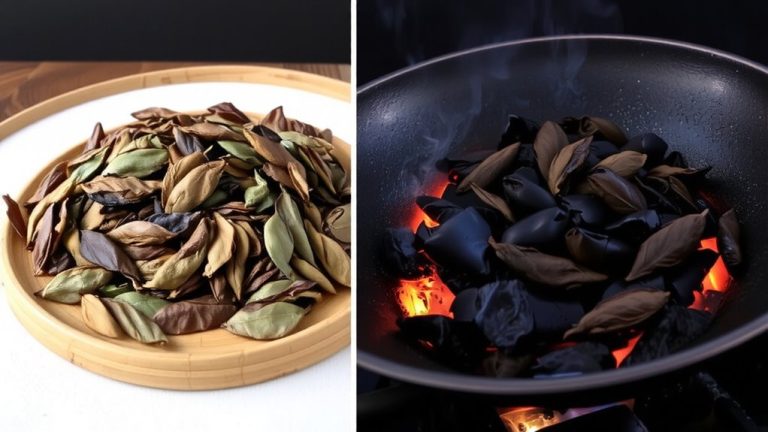
The difference starts at the tip-literally. When you look at gyokuro, you’re seeing only the top three to five young, tender tea leaves, carefully plucked during spring’s first flush. These tea leaves are soft, bright green, and packed with theanine-up to 20 mg/g-giving gyokuro its signature umami depth. You can taste the care in every sip. Bancha, on the other hand, uses mature lower growth, including tougher tea leaves and stems from later harvests. These tea leaves are coarser, darker, and yield a lighter, earthier flavor. They’re often chopped and mixed, stems included, making bancha heartier but less delicate. While gyokuro’s tender tips deliver smoothness and complexity, bancha’s lower leaves offer practicality and rustic charm-perfect for daily drinking. Both have their place.
20-Day Shade-Grown vs Full Sun Exposure
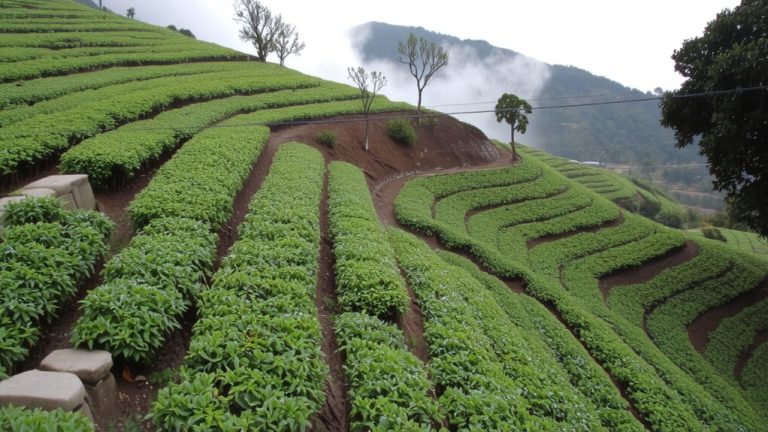
When you shade gyokuro for 21 to 22 days before harvest, the tea plants respond by ramping up chlorophyll and theanine production-key factors that define its rich umami and sweet, rounded flavor. This shaded tea method blocks sunlight, slowing catechin formation and preserving delicate, savory notes. In contrast, bancha grows under full sun, converting theanine into astringent catechins, which delivers a brisk, earthy taste with subtle bitterness. The difference in light exposure directly shapes flavor and nutritional profile.
| Feature | Gyokuro (Shaded) | Bancha (Sun-Grown) |
|---|---|---|
| Sunlight Exposure | 21–22 days shaded | Full sun, no shade |
| Theanine Level | High (umami-rich) | Low (more astringent) |
| Taste Profile | Sweet, savory | Earthy, slightly bitter |
You’ll notice shaded tea offers smoother sipping, ideal for mindful moments.
Similar Processing, Different Precision
Though both bancha and gyokuro go through steaming, rolling, and drying, you’ll find gyokuro’s processing demands far more precision to protect its delicate, shade-grown qualities. You’re working with young top leaves rich in amino acid-especially L-theanine-so every step must avoid bitterness and preserve sweetness. Gyokuro is steamed lightly and rolled gently into fine, stem-free needles, requiring skilled hands and constant attention. In contrast, bancha uses mature leaves and stems, often from later harvests, and handles them more roughly, sacrificing finesse for durability. The care in gyokuro processing boosts umami and smoothness, directly tied to its high amino acid content. You’ll notice the difference in texture and depth, even in small tastings. While both follow similar steps, gyokuro’s method isn’t just tradition-it’s science-backed craft, maximizing health-linked compounds without overpowering the palate.
Rich Umami vs Earthy Astringency
You’ve seen how precision shapes the journey from leaf to cup, and now it’s time to taste what those choices deliver: a clear contrast between gyokuro’s deep umami richness and bancha’s earthy astringency. When you sip gyokuro, a premium green tea shaded 20–22 days before harvest, you’re tasting intense savory sweetness from sky-high theanine-up to four times more than sencha. Shading boosts chlorophyll, preserves theanine, and yields a lush, balanced green tea with minimal bitterness. Bancha, though also a green tea, uses sun-exposed mature leaves, stems, and chopped bits, letting theanine turn into catechins. That shift gives bancha its dry, woody bite and subtle astringency. You’ll notice less depth, less sweetness, but a grounded, rustic clarity. While gyokuro’s umami coats your tongue, bancha finishes clean and lean-proof that leaf selection and sunlight define flavor in every cup.
High Caffeine, Low-Temp Brewing Method
Because gyokuro’s leaves grow in near-total shade for over three weeks, the plant ramps up caffeine production as a natural defense, resulting in a potent 130 mg per serving-more than four times the 30 mg found in bancha. This creates the caffeine paradox: a delicate, sweet tea packing a stronger stimulant punch than many bold brews. You’ll want to brew both gyokuro and bancha at 60°C (145°F), using 100 ml water and a precise two-minute steep. This low-temp method preserves gyokuro’s umami richness, keeps bitterness low, and gently extracts its high caffeine content. Even though bancha has less caffeine, the same gentle brewing highlights its earthy balance. You’re not just avoiding astringency-you’re maximizing flavor and clarity in every cup. Trust the process: lower heat, controlled time, and quality leaves deliver smarter energy and deeper taste, making each infusion both revitalizing and remarkably refined.
On a final note
You’ll love gyokuro’s rich umami and smooth, low-temperature brews, thanks to its shaded growth and tender first harvest, while bancha delivers earthy depth and mild astringency from mature, sun-exposed leaves picked late, both offer antioxidants and moderate caffeine-gyokuro about 30mg per 6 oz, bancha closer to 15-choose gyokuro for calm focus, bancha for daily hydration, and enjoy each brewed precisely to access their full flavor and nutrition.