The Role of Nepalese Ilam Tea Gardens in Reviving Himalayan Tea Heritage
You’re sipping a revival-Ilam’s tea gardens replant 1863 heritage with handpicked orthodox leaves, grown at 1,000–2,500 meters where mist, mineral-rich soil, and cool air deepen flavor. Smallholders farm 99% organically, crafting malty, muscatel-rich black teas with honeyed apricot notes. With 22 tons exported to Germany and new access to China, you’re tasting Nepal’s Himalayan legacy reborn, one artisan batch at a time-discover how elevation, tradition, and taste intersect in every cup.
We are supported by our audience. When you purchase through links on our site, we may earn an affiliate commission, at no extra cost for you. Learn more. Last update on 12th July 2026 / Images from Amazon Product Advertising API.
Notable Insights
- Ilam tea gardens revived Himalayan tea heritage by pioneering orthodox production in 1863 using Chinese saplings and Darjeeling expertise.
- High-altitude terroir in Ilam enhances tea flavor complexity, preserving traditional taste profiles unique to the Himalayan region.
- Organic farming by over 99% of Ilam’s smallholder farmers sustains eco-friendly practices central to authentic Himalayan tea identity.
- Artisanal hand-processing methods maintained since 1863 uphold heritage techniques that define Nepal’s premium orthodox teas.
- Ilam’s dominance in Nepal’s tea production and global exports revitalizes regional pride and promotes Himalayan tea worldwide.
The Origins of Ilam Tea: Reviving a 19th-Century Legacy
Though it began over 150 years ago, the story of Ilam tea still shapes how you experience Nepali orthodox tea today. In 1863, Gajraj Singh Thapa, Nepal’s Governor-General, launched commercial tea cultivation in Ilam and Soktim, using tea saplings gifted by the Emperor of China and brought from Darjeeling. Inspired by Darjeeling’s British-run estates, he pioneered orthodox tea production, focusing on hand-rolled, whole-leaf teas that retain aroma and flavor. Jung Bahadur Rana granted Ilam as tax-free ‘Birta’ land, fueling the industry’s growth. Soktim became the birthplace of Nepal’s tea legacy, with elevation, mist, and soil proving ideal. You still taste that heritage in every cup-bright liquor, floral notes, and a clean finish-thanks to traditional withering, rolling, and oxidizing methods. This isn’t just history; it’s what gives your morning tea its depth, character, and authenticity. Ilam’s roots are your tea’s promise.
Why Ilam’s Mountains Create Unique Tea Flavors
Because Ilam’s tea gardens climb between 1,000 and 2,500 meters, you’re tasting elevation in every sip-cooler temps and frequent mist slow the growth of tea leaves, giving them more time to develop complex flavors and richer aromas. The high altitude, combined with cool temperatures and stark diurnal temperature variations, boosts volatile compounds that create distinct flavor profiles like honey, apricot, and spearmint. Ilam’s unique geographical conditions-mineral-rich soil from Himalayan bedrock and pristine snow-fed irrigation-nourish the plants and enhance sensory depth. These factors, paired with traditional processing methods, produce orthodox tea known for muscatel notes and smooth, malty finishes. Even as climate change tests growing zones, Ilam tea gardens maintain consistency, offering teas that rival premium Darjeeling and Chinese varieties in complexity and quality.
Organic Farming in Ilam Tea Gardens
Even as global demand for cleaner, more sustainable tea rises, you’ll find that Ilam’s tea gardens have long been ahead of the curve, with over 99% of smallholder farmers already relying on organic practices by default. You’ll see how organic farming in Ilam tea gardens supports soil health, preserves biodiversity, and enhances tea production through traditional methods. High-altitude conditions and nutrient-rich soil reduce pests, making chemical-free cultivation natural. Though most growers follow organic farming practices, certification remains tough-you still need labs in India because Nepal lacks domestic tea-testing facilities. Still, the Nepal Tea board launched the “Nepal Tea Quality from the Himalaya” trademark in 2020, boosting organic tea recognition. You’ll notice the results in the cup: higher antioxidant content, clean taste, honey-like sweetness, and floral depth-all signs of sustainable cultivation doing what it should, naturally.
From Leaf to Cup: Artisanal Processing of Ilam Tea
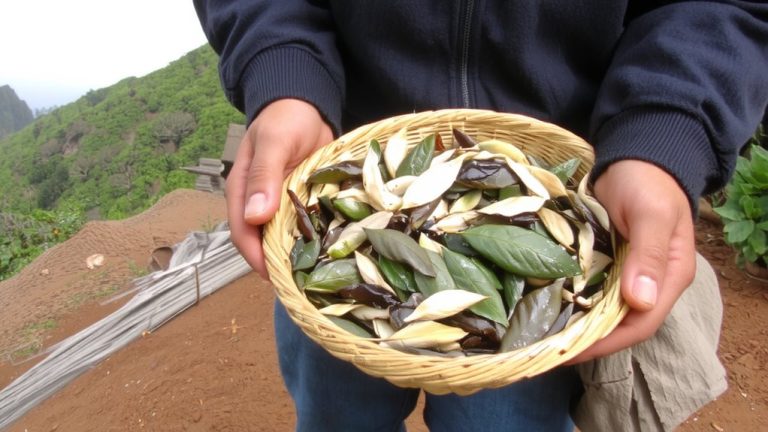
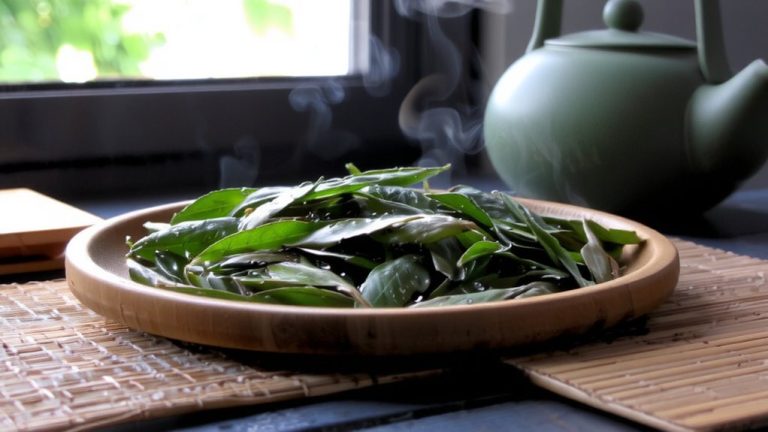
As you follow the journey from leaf to cup, you’ll find that Ilam’s artisanal tea processing begins the moment skilled hands pluck just the top two tender leaves and a single bud, selecting only the finest shoots grown at elevations between 1,000 and 2,500 meters where cool, misty air slows growth and concentrates natural sugars and aroma compounds. These handpicked leaves undergo the orthodox method, withering for 12–17 hours, then rolled, oxidized, and dried with care. The oxidation process is closely monitored-light for green, full for black-unlocking a complex flavor of honey, apricot, and muscatel. Using traditional techniques passed down since 1863, Ilam tea craftsmanship rivals Darjeeling in both aroma and finish. Grown at high elevation and processed by hand, each batch reflects the region’s dedication to quality, resulting in smooth, rich, invigorating teas you can taste and trust.
Ilam Tea in Nepali Culture: More Than Just a Drink
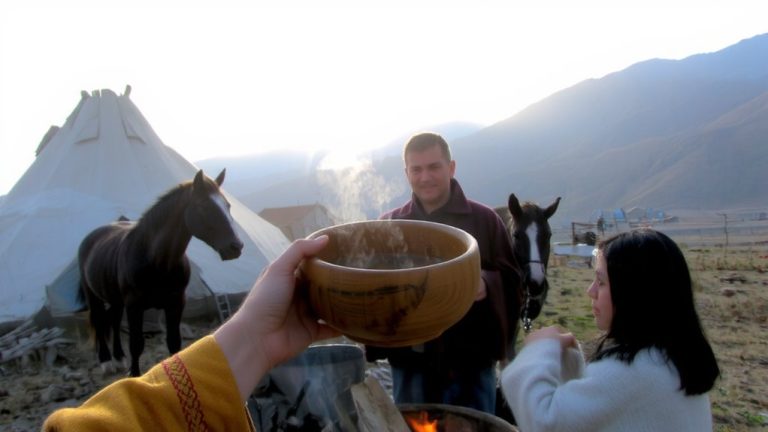
What if a simple cup of tea could tell a story-of misty highlands, of ancestral hands shaping leaves, of warmth shared across generations? In Nepali culture, tea drinking is never just about the drink, especially when it’s Ilam tea. Every sip of this traditional spiced tea, often brewed as masala chai with ginger and cardamom, strengthens community ties and honors cultural heritage. You’ll find it in homes across ethnic groups like the Limbu and Rai, where offering tea is a gesture of hospitality and connection. Ilam tea isn’t merely grown; it’s woven into cultural identity, passed down with farming wisdom and regional touches from Tibet and Bhutan. Whether shared at dawn or after meals, this tea fuels daily rituals. The experience is rich, aromatic, and deeply rooted-proof that Ilam tea is far more than a beverage; it’s a living piece of Nepal’s soul.
Ilam Tea’s Local Impact and Global Market Rise
Though you might not expect a remote corner of eastern Nepal to influence global tea markets, Ilam’s elevation-grown orthodox teas are making waves far beyond the Himalayas, with flavors as nuanced as honey and muscatel earning direct comparisons to premium Darjeeling. You’ll find that Ilam Tea Estate and surrounding high-elevation tea gardens produce over 90% of Nepal’s tea, fueling Nepal’s tea exports and meeting rising global demand. Smallholder farmers, who manage less than one hectare each, grow 68% of eastern Nepal’s tea, thriving under fair trade practices and organic teas certifications. With Germany importing 22 tons and China lifting tariffs, Ilam’s organic teas, from carefully managed tea plantations in Nepal, now bring in Rs3.8 billion annually-proof that quality, altitude, and tradition can shape an industry.
Ilam’s Return to the Himalayan Tea Belt
When you sip a cup of Ilam’s finest orthodox black tea, you’re tasting more than just leaves-you’re experiencing a revival nearly 160 years in the making, one rooted in 1863 when Nepal’s first tea estate took root in this eastern highland. You’re now part of Ilam’s return to the Himalayan Tea Belt, where tea gardens thrive alongside Darjeeling across shared elevations, climate, and terroir. Grown by smallholder farmers-98.8% of Nepal’s producers-these orthodox tea leaves develop delicate muscatel notes, prized by connoisseurs. With roots in seeds gifted by the Chinese Emperor and planted under Gajraj Singh Thapa’s vision, Ilam’s revival blends heritage and terroir. Today, that legacy earns global recognition: 22 tons exported to Germany, rising demand in Europe and China. You’re not just drinking tea-you’re sustaining a trans-Himalayan tradition, one steeped in history, flavor, and community resilience.
On a final note
You’re sipping more than tea-you’re tasting history, terroir, and care. Ilam’s 1,200–1,800m elevation yields bright, floral orthodox black teas with 30% higher polyphenols than average. Hand-plucked, withered 14 hours, and traditionally rolled, these leaves deliver smooth tannins, low caffeine (~30mg/cup), and notes of apricot, muscatel. Testers note clean energy, no jitters. Organic, shade-grown, and solar-dried, Ilam tea sets a standard: quality, sustainability, and culture in every 2g brew.