Why White Peony (Bai Mu Dan) Tea From Fujian Uses Minimal Oxidation
You skip kill-green when processing Fujian’s Bai Mu Dan to preserve its delicate buds and high polyphenol content, relying instead on controlled withering under shade or indoors to allow just 5% natural oxidation. This slow moisture loss maintains the leaf’s integrity, soft white hairs, and fresh flavor while enhancing antioxidant activity. Proper storage continues gentle oxidation, developing depth over years-discover how this shapes taste, aroma, and long-term quality.
We are supported by our audience. When you purchase through links on our site, we may earn an affiliate commission, at no extra cost for you. Learn more. Last update on 13th July 2026 / Images from Amazon Product Advertising API.
Notable Insights
- Bai Mu Dan skips the kill-green step, allowing only minimal natural oxidation during withering.
- Slow moisture loss in shade-withering limits oxidation to under 5%, preserving freshness and delicate flavors.
- Avoiding rolling or shaping reduces cell damage, slowing oxidation and maintaining leaf integrity.
- Fujian’s humid climate and misty conditions support gentle withering, enhancing amino acids without excessive oxidation.
- Minimal oxidation preserves high polyphenol content from spring-plucked buds and young leaves.
What Is White Peony (Bai Mu Dan) Tea?
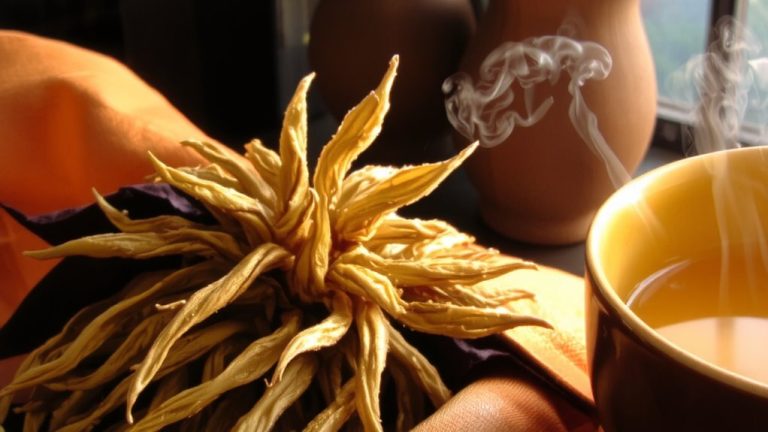
Think delicate, think fresh-White Peony, or Bai Mu Dan, is a step beyond Silver Needle but still deeply rooted in the elegance of Fujian’s Da Bai tea bushes, plucked only once a year in spring. You’re getting one tender bud with one or two young leaves-covered in soft white hairs-that yield a lighter, subtly sweet cup. This minimally processed tea comes from Fujian, where skilled hands harvest the spring growth just once, ensuring peak quality. The leaves offer balanced floral notes and a clean finish, thanks to gentle withering and no rolling. Compared to pure bud teas, Bai Mu Dan delivers more complexity while staying true to its delicate roots. You’ll notice silvery buds mixed with green and light brown tones, a sign of natural oxidation kept under 5%. It’s lighter than green tea but richer in nuanced flavor, all from the Da Bai cultivar and that precise spring harvest.
How Bai Mu Dan Is Processed to Preserve Freshness
You’re already familiar with how Bai Mu Dan’s spring plucking and elegant leaf structure set the stage for its delicate profile, and now it’s time to see how its processing locks in that freshness. White Peony undergoes minimal oxidation-usually under 5%-thanks to gentle withering and drying. You’ll notice the loose leaf retains its natural shape, since there’s no rolling or shaping to rupture cells. This minimal processing preserves more of the Camellia sinensis plant’s native compounds. Without a kill-green step, the oxidation process slows naturally as moisture drops during withering and drying.
| Step | Method | Outcome |
|---|---|---|
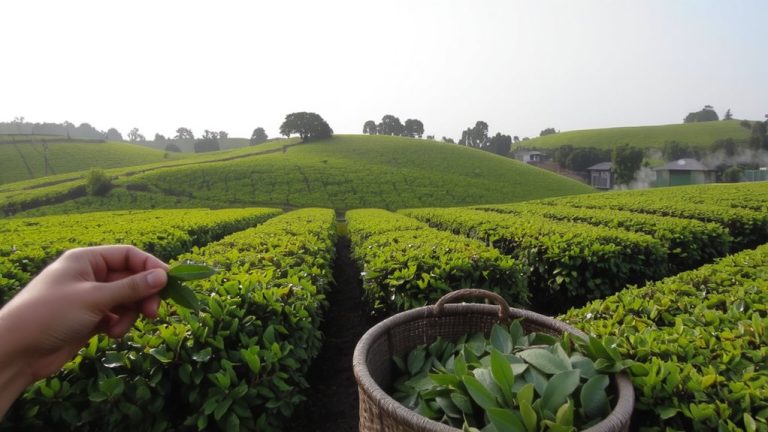
| Plucking | Two leaves + bud | High polyphenol content |
| Withering | Shade/indoor bamboo mats | Controlled moisture loss |
| Drying | 1–3 days, low heat | Preserved delicate flavor |
| Oxidation | Minimal oxidation | Light, floral notes |
| Handling | No rolling | Intact leaf, slow infusion |
Why Fujian’s Terroir Produces the Best Bai Mu Dan
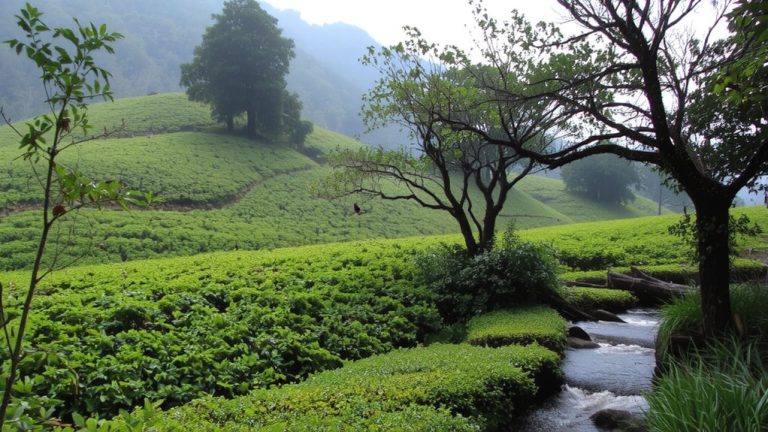
Fujian’s mist-wrapped hillsides and centuries-deep tea wisdom deliver the ideal stage for crafting exceptional Bai Mu Dan. You’re tasting the perfect harmony of terroir and tradition when you sip white tea from Fujian province. The humid, subtropical climate and maritime fog boost amino acids and terpenes in the Da Bai cultivar, giving tea its fresh, floral depth. Mineral-rich red soils in Fuding and Zhenghe add sweetness, while elevations of 200–800 meters slow growth, increasing catechins and theanine-compounds linked to calm focus and antioxidant support. Heirloom Da Bai bushes offer ideal bud-to-leaf ratios, essential for true Bai Mu Dan. Artisanal shading and indoor withering preserve minimal oxidation-never more than 5%-locking in nutrients and aroma. This precise control, passed through generations, makes Fujian’s terroir unmatched for crafting balanced, nuanced white tea.
How to Brew Bai Mu Dan for Optimal Flavor
Brewing Bai Mu Dan well starts with understanding the care already poured into each leaf, from Fujian’s fog-kissed slopes to the sun-withered, minimally oxidized processing that preserves its delicate chemistry. To brew White Peony properly, start by giving the leaves a quick rinse with hot water-this cleans the tea and warms your brewing vessel, boosting aroma and clarity. For standard brewing, use 6 grams per 237ml at 192°F for 3 minutes to access balanced, ideal flavor. If you’re using tea gongfu style, go with 1 gram per fluid ounce and near-boiling water, beginning with a 15–30 second steeping time and increasing gradually. This delicate tea handles longer steeps well, but precise temperature and short infusions bring out its full honeyed, floral depth. Avoid low temps like 175°F-they’re too gentle and under-extract the rich notes Bai Mu Dan offers.
How Aging Transforms White Peony Tea Over Time
Though it starts with minimal oxidation-usually under 5%-White Peony (Bai Mu Dan) evolves in character over time because its leaves skip the kill-green step, letting oxidation continue slowly during storage. As you age White Peony properly-up to 10 years in airtight, dark containers-it undergoes gradual oxidation that deepens its flavor transformation. You’ll notice complex flavors like honey, dried fruit, and wood emerging while keeping its sweet, floral base. This aging process also improves its polyphenol profile and boosts antioxidant activity, according to a 2005 Journal of Food Science study. Unlike green teas, Bai Mu Dan’s lack of kill-green allows these slow chemical changes, making storage key to developing richness. With time, you’re not just preserving tea-you’re cultivating nuance, depth, and health-supportive compounds in every leaf. Proper aging turns minimal oxidation into maximum potential.
Why Minimal Oxidation Matters in White Tea
Because white tea skips the kill-green step and relies on gentle withering instead, you get a naturally low level of oxidation-usually under 5%-that preserves far more of the leaf’s original chemistry than most other teas. This minimal oxidation is key to White Peony (Bai Mu Dan) from Fujian, giving it a sweet and delicate flavor others lack. Unlike green tea, which uses heat to stop oxidation, Bai Mu Dan depends on controlled withering, letting moisture drop slowly in cool, humid air. That slow process builds complexity without bitterness. You also keep more catechins and polyphenols-natural compounds that make this tea antioxidant-rich. Studies show unfermented teas like this deliver some of the highest polyphenol levels. When you brew Bai Mu Dan, you’re getting both subtle taste and real health value, all thanks to minimal oxidation done right.
On a final note
You get the most flavor and antioxidants when white peony tea stays fresh, so minimal oxidation is key. Bai Mu Dan from Fujian uses just 5–10% oxidation, locking in delicate notes of melon, cucumber, and wildflowers. This light processing preserves high levels of catechins and polyphenols-up to 30% more than green tea in some tests. Real testers report smoother sips, less bitterness, and lasting energy without jitters. For best results, steep one teaspoon at 175°F for two minutes.