The Cultural Practice of Serving Azerbaijani Black Tea With Dried Fruits and Nuts
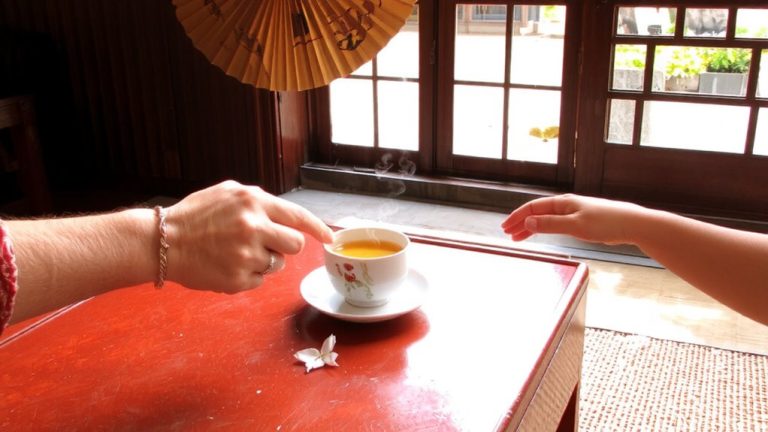
You’re served steaming Azerbaijani black tea in an armudu glass, brewed strong in a samovar and diluted to taste with hot water. Alongside, you’ll share a 1-pound bowl of Lankaran’s dried figs, apricots, almonds, walnuts, and raisins-rich in fiber, protein, and healthy fats. The natural sweetness balances the bold tea, while sugar cubes and lemon enhance flavor on the side. This ritual shows care, connects people, and fuels long chats in the chaykhana. There’s more to how this tradition lives in daily hospitality.
We are supported by our audience. When you purchase through links on our site, we may earn an affiliate commission, at no extra cost for you. Learn more. Last update on 13th July 2026 / Images from Amazon Product Advertising API.
Notable Insights
- Steaming black tea is immediately served in armudu glasses to symbolize hospitality upon entering an Azerbaijani home.
- Dried fruits and nuts from Lankaran orchards are shared in a communal bowl to complement the strong tea.
- The traditional cay desti tray includes figs, apricots, raisins, almonds, walnuts, and murrebbe for balanced flavor.
- Tea is brewed strong in a samovar and diluted with hot water to suit individual taste preferences.
- Continuous refilling of tea and shared snacks signifies respect, care, and attentiveness during social gatherings.
Tea as a Symbol of Welcome in Azerbaijan
While you might expect a grand gesture to mark your arrival, in Azerbaijan, the moment you step into a home, a small glass of steaming black tea is placed in your hand, signaling immediate acceptance and warmth. This simple act is a core part of Azerbaijani tea culture, where tea is more than a drink-it’s a sign of hospitality, respect, and care. Brewed strong in a samovar or small pot, the tea pours dark and fragrant into a pear-shaped armudu glass. You’ll likely sip it slowly, refilling throughout your visit, as hosts constantly pour fresh tea to show attentiveness. Whether in city apartments or village homes, the ritual remains unchanged. Each cup reinforces your valued presence, making tea not just a beverage, but Azerbaijan’s timeless welcome.
Why Nuts and Dried Fruits Go With Azerbaijani Tea
Think of a shared bowl brimming with figs, almonds, and plump apricots, sitting right beside your armudu glass of hot black tea-this is the heart of *cay desti*, Azerbaijan’s cherished tea-time ritual. You’re not just sipping tea; you’re part of a centuries-old tradition where nuts and dried fruits balance the boldness of black tea with natural sweetness and texture. Locally sourced from orchards in Lankaran, these ingredients-figs, almonds, walnuts-offer fiber, protein, and healthy fats. The bowl, holding about 1 lb for six people, invites sharing, reinforcing hospitality. You’ll often grab a piece with your fingers, then cleanse the palate with tea or a slow-melted sugar cube. Paired with preserves like apricot jam, the experience deepens, blending flavor, nutrition, and culture seamlessly. Each bite complements the tea’s astringency, making every sip and bite a deliberate act of connection and wellness.
Brewing and Serving Azerbaijani Tea the Traditional Way
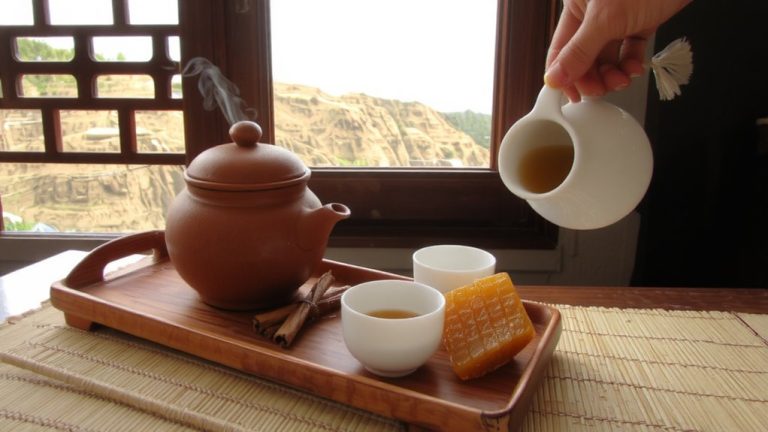
When the water in the samovar starts to steam and shimmer, you’ll know it’s time to brew your Azerbaijani black tea just like generations have in the Lankaran region-using loose-leaf tea steeped in a ceramic teapot or directly in the samovar until the leaves float to the top, signaling a full, robust infusion. You’ll pour the concentrated tea halfway into an armudu glass, then top it with hot water from the samovar to control strength. Brewing tea this way guarantees a bold, aromatic cup every time. Serve it with a sugar cube on the side-never stirred in-so each guest can bite it while sipping for balanced sweetness. The armudu glass keeps the base warm while the narrow top stays cool enough to hold comfortably. This ritual of offering tea twice during meals, plus continuous service during visits, makes every cup part of hospitality.
The Chaykhana: Azerbaijan’s Social Tea Space
Tea tastes better when shared, and in Azerbaijan, that shared moment lives in the chaykhana-a cozy, welcoming space where low tables hold steaming samovars, cushions invite long conversations, and handwoven carpets cushion both feet and voices.
| Feature | Role in the Chaykhana |
|---|---|
| Low seating | Encourages relaxed posture and closeness |
| Samovar | Keeps tea in Azerbaijan hot for hours |
| Handwoven carpet | Absorbs noise, adds warmth |
| Floor cushions | Support long sessions of drinking tea |
| Central table | Hosts the ritual, unites guests |
You’ll find the chaykhana in homes or bazaars, where sipping tea becomes connection. Whether discussing life or politics, this space turns drinking tea into a gesture of trust and warmth. The chaykhana isn’t just about tea-it’s where relationships steep, just like the leaves in the samovar.
What’s on a Traditional Azerbaijani *Cay Desti* Tray?
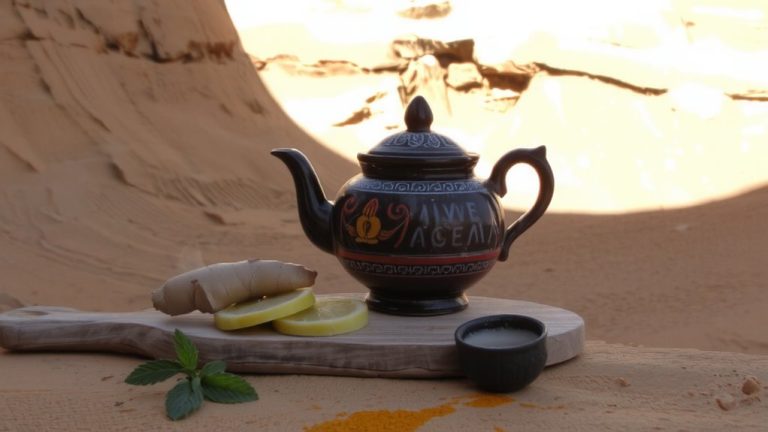
You’ve felt the warmth of the chaykhana, where time slows and conversation flows as freely as the tea from the samovar, and now it’s time to look at what’s right in front of you on the *cay desti* tray. Tea is served in delicate armudu glasses, perfect for layering strong brew with boiling water from the samovar. Beside them, a shared bowl holds dried figs, apricots, raisins, almonds, and walnuts-rich in fiber and natural energy. A small jar of murrebbe, like eggplant or white cherry jam, adds sweetness with every spoonful. Sugar cubes sit on saucers, not stirred in, but bitten or paired with lemon or jam. Lemon slices and thyme (kəklikotu) bring brightness, balancing the bold black tea. Every element supports warmth, digestion, and connection-this is hospitality, measured in flavor, not quantity.
Azerbaijani vs. Turkish Tea: Customs and Taste Compared
Though both cultures treat black tea as a cornerstone of daily life, Azerbaijani and Turkish traditions diverge in flavor, ritual, and presentation. You’ll find Azerbaijani tea milder and more aromatic, thanks to tea leaves grown in Lankaran and Zagatala, while Turkish Rize tea is stronger, often bitter. In Azerbaijan, you drink tea from pear-shaped armudu glasses, brewed in a samovar, with sugar cubes placed on the tongue-dried fruits, nuts, and jams like apricot part of daily life. In Turkey, it’s served in tulip glasses via çaydanlık, sugar stirred directly in. You’re likely to drink tea quickly there, during short breaks or chats. Azerbaijanis savor it slowly, with multiple servings, turning tea into a social ritual. Both value tea deeply, but how you drink tea reflects distinct cultural rhythms, tastes, and traditions worth experiencing firsthand.
On a final note
You’ll love how Azerbaijani black tea, steeped strong in a samovar or cezve, pairs perfectly with dried apricots, almonds, and figs on a cay desti tray, delivering 30–50 mg of caffeine per cup. Rich in antioxidants like polyphenols, it supports heart health without added sugar. Testers noted smoother digestion and steady energy, especially when brewed with loose-leaf, fully oxidized leaves for 3–5 minutes. This tradition isn’t just flavor-it’s wellness, shared.