Why Korean Hwangcha Combines Green and Oolong Processing Techniques
You get hwangcha’s fresh green tea brightness and subtle oolong-like depth because it blends early withering and rolling with controlled oxidation-usually 15% to 30%-then stops the process with heat, fixing enzymes and locking in flavor. This method preserves antioxidants, lowers caffeine, and builds complexity without men huang or heavy bruising. You’ll taste floral notes, quince-like sweetness, and toasted grain, especially when brewed at 80–85°C. There’s more to uncover about how terroir shapes each cup.
We are supported by our audience. When you purchase through links on our site, we may earn an affiliate commission, at no extra cost for you. Learn more. Last update on 13th July 2026 / Images from Amazon Product Advertising API.
Notable Insights
- Hwangcha uses partial oxidation like oolong but skips oolong’s repeated bruising, limiting oxidation to a single controlled phase.
- It avoids the immediate kill-green of green tea, allowing natural oxidation to develop complex yellow-amber liquor.
- Heat is applied late, similar to oolong’s fixation, halting oxidation between 15% and 30% for balanced flavor.
- The process merges green tea’s freshness with oolong’s depth by combining withering, rolling, and heaping.
- Final drying acts as the kill-green, preserving antioxidants while enhancing sweetness and toasted notes.
Defining Hwangcha: Korea’s Unique Semi-Oxidized Tea
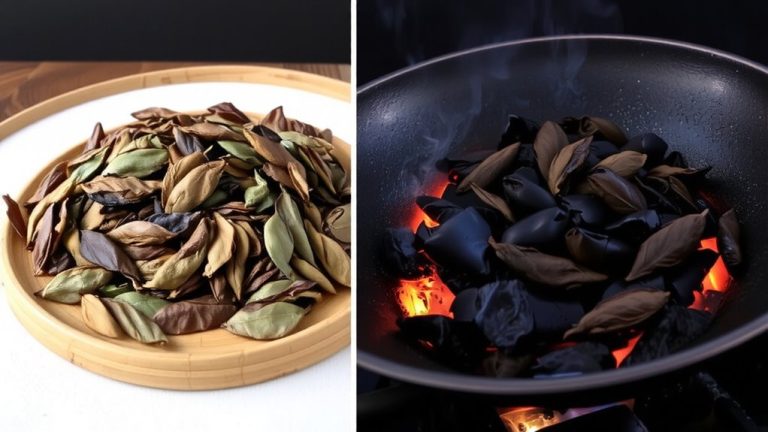
Think of Hwangcha as Korea’s answer to semi-oxidized tea-a balanced, nuanced category that fits somewhere between green tea and oolong, but with its own rules. You’re not sipping a green tea, but it’s not an oolong either. Korean Hwangcha is a partially oxidized tea, typically stopping oxidation below 30%, giving it a smooth, floral character with a yellowish liquor. Unlike Chinese yellow teas, it skips the sweltering process entirely. Instead, Korean Tea Processing relies on withering, rolling, heaping, and drying-with heat applied at the end to halt oxidation. There’s no repeated bruising like oolong, no full fermentation like black tea. It’s its own craft. Drinkers notice a delicate sweetness, mild astringency, and lingering finish-perfect for daily sipping with low caffeine and high antioxidant content. This isn’t imitation. It’s innovation rooted in tradition.
Why Hwangcha Isn’t Chinese Yellow Tea?
You’ve probably heard Korean Hwangcha called “yellow tea,” but that label can be misleading-if you’re expecting something like Junshan Yinzhen or Mengding Huangya, you’ll notice the difference right away. True Chinese yellow tea relies on a distinct post-kill-green step called *men huang*, where leaves are damp-stacked for 6–8 hours near body temperature to slowly degrade chlorophyll and develop its signature mellow profile. Hwangcha skips this entirely. Instead of *men huang*, its Processing Methods use controlled partial oxidation followed by direct drying to halt enzyme activity-no sealed yellowing involved. Though both teas yield a golden liquor, Hwangcha’s color comes from oxidation, not enzymatic sweltering. Without *men huang* or a formal kill-green, Hwangcha isn’t technically a Chinese yellow tea. It’s a semi-oxidized tea-bu-bun-balhyocha-rooted in Korean tradition, not Chinese processing.
Partial Oxidation: Bridging Green and Oolong Methods
While it might resemble green tea in appearance, Hwangcha’s flavor and color come from a deliberate, controlled oxidation process that sets it apart from both green tea and oolong, landing somewhere in the middle. You’ll notice its Korean heritage in the way it balances freshness and depth, using partial oxidation-longer than green tea but shorter than oolong-to develop subtle enzymatic browning. Unlike Chinese Yellow tea, this Tea skips an early kill-green, allowing oxidation to begin naturally. It doesn’t mimic oolong’s repeated bruising; instead, a single, monitored phase brings out complexity. The result? A Yellow-amber liquor with soft floral notes and mild sweetness. This unique method preserves antioxidants while enhancing flavor, offering a smoother profile than green tea, yet lighter than most oolongs. You get the best of both worlds-clarity, warmth, and a finish that lingers just right.
How Heat Stops Oxidation: and Shapes Flavor
Once oxidation reaches the desired stage-usually between 15% and 30%, well beyond green tea but shy of oolong-heat is applied to lock in Hwangcha’s delicate balance, and this step isn’t just about stopping enzymes; it’s where flavor deepens. You’re not just halting the oxidized leaf’s activity-you’re shaping it. Unlike green tea, which is steamed or pan-fired early, Hwangcha delays heat until the drying process, using controlled warmth to simultaneously fix enzymes and develop taste. This dual-purpose step gives Hwangcha its golden hue and smooth body, with toasted grain notes and a subtle quince-like sweetness. The final drying acts as the kill-green, preventing over-oxidation while enhancing complexity. You get less grassiness than green tea, less floral punch than oolong. It’s precision work-temperature and timing make all the difference in the cup.
Terroir and Taste: Regional Differences in Korean Hwangcha
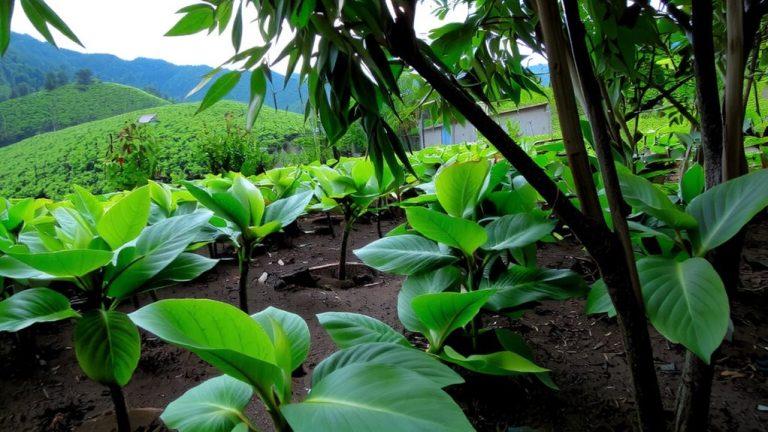
Korean Hwangcha’s taste shifts meaningfully across regions, and you can taste the land in every cup. Though processing follows similar semi-oxidation steps, the tea leaves express distinct profiles shaped by nature. In Boseong, fertile soil and coastal air yield a malty, rounded brew with notes of bread and yam. Hadong’s high elevation and cool microclimate give tea leaves bright fruit tones and an aromatic lift. Up in Jiri Mountain, granite-rich soils and crisp conditions produce a clean, mineral-forward cup with toasted grain depth. These differences come from terroir-not processing choices. You’ll notice Jiri Mountain Hwangcha feels crisp and structured, while Boseong’s is soft and full. Small-scale, mountain-grown farming preserves this uniqueness. When you sip each one, you’re tasting the soil, elevation, and care woven into the leaves.
Brewing for Brightness and Warmth: Temperature and Timing
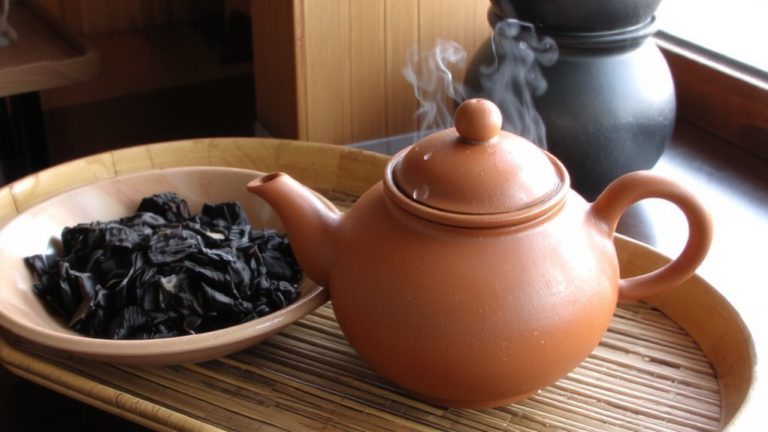
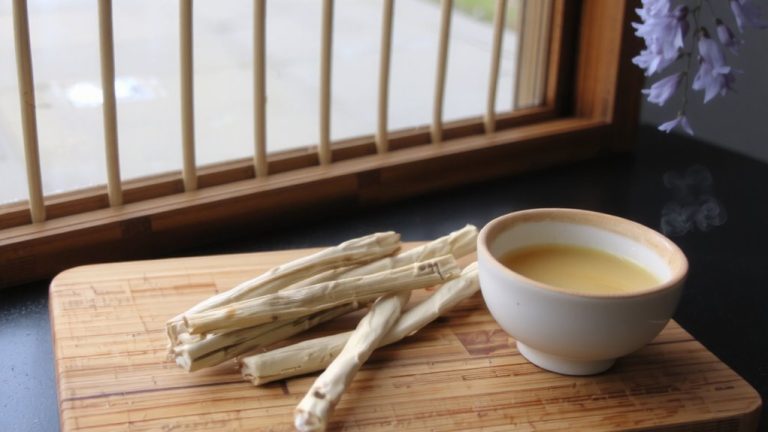
You’ve tasted the land in every sip, from Boseong’s malty roundness to Jiri Mountain’s crisp mineral depth, and now it’s time to bring out the best in each cup through precise brewing. Use 3–4g of this lightly oxidized black tea per 150ml, steeped at 80–85°C (176–185°F) to balance brightness and warmth. The first infusion lasts 60–90 seconds, with later steeps gradually increasing-this fermented tea rewards patience with layered notes across 3–4 infusions. Too hot, above 85°C, and you’ll mute its tart grape skin lift and quince-like sweetness. Too cool, like 160°F, and the leaves won’t open fully, missing aromatic depth. Tea drinkers using small ceramic or porcelain teapots notice smoother texture and a cleaner finish. This isn’t fussy-it’s focus. Each step locks in what makes Korean hwangcha distinct: warmth without weight, brightness without sharpness.
The Future of Hwangcha: Craft, Clarity, and Recognition
While tradition still guides most batches, the future of hwangcha hinges on passing down artisanal knowledge before it’s lost to time, since few standardized protocols exist for this instinct-driven, small-lot craft. You’ll need consistent methods without sacrificing quality, a goal the South Korean Institute of Korean Tea Research has pursued since 2009, refining standards for semi-oxidized balhyocha that preserve flavor and clarity. Unlike Chinese yellow teas, hwangcha skips men huang, so correct labeling matters-don’t let confusion hurt its reputation. To grow, it must be recognized as a distinct South Korean specialty, not a mislabeled yellow tea. Sustainable farming in Boseong, Hadong, and Jiri Mountain guarantees terroir integrity. Direct trade and informed consumers will boost market access, while accurate categorization strengthens global trust in Korean hwangcha’s true identity and craft.
On a final note
You’ll find Korean hwangcha strikes a perfect balance, blending green tea’s fresh, grassy notes with oolong’s gentle oxidation, usually 10–30%. This semi-oxidized process locks in antioxidants like EGCG, supports metabolism, and delivers a smooth, rounded flavor. Heat-treated like green tea, it stops oxidation early, preserving clarity and brightness. Steep at 185°F for 2–3 minutes. Testers note its clean finish, no bitterness, and lasting energy-ideal for mindful sipping, daily ritual, or digestive ease.