Why Japanese Matcha Is Shade-Grown: 20-50 Days Explained
You get richer, smoother matcha because farmers shade tea plants 20–50 days before harvest, boosting L-theanine up to three times-reaching 20 mg/g-and increasing chlorophyll by up to 60%. This deep green color signals quality, while higher amino acids enhance umami and reduce bitterness by slowing catechin formation. Shaded leaves yield sweeter, more balanced flavors, plus more antioxidants like EGCG. Centuries of refinement since 1271 perfected this method for premium ceremonial-grade matcha. There’s a lot more behind how shading transforms tea at the molecular level.
We are supported by our audience. When you purchase through links on our site, we may earn an affiliate commission, at no extra cost for you. Learn more. Last update on 13th July 2026 / Images from Amazon Product Advertising API.
Notable Insights
- Shading boosts L-theanine production by up to 30%, enhancing the umami flavor unique to high-quality matcha.
- Reduced sunlight slows photosynthesis, limiting conversion of L-theanine into bitter catechins.
- Shaded tea leaves develop higher chlorophyll levels, resulting in a vibrant green color and richer nutrient profile.
- Lower tannin and polyphenol content in shaded leaves reduces astringency, yielding a smoother, sweeter taste.
- This traditional Japanese method, used for over 700 years, optimizes flavor and quality in ceremonial-grade matcha.
How Shading Boosts Chlorophyll and Umami in Matcha
While you might think sunlight is essential for all plants, tea farmers actually shield matcha crops from direct sun for 20 to 40 days before harvest to access deeper color and richer flavor. This shading process boosts chlorophyll production by up to 30%, giving matcha its vibrant green color. With reduced sunlight, photosynthesis slows, pushing tea leaves to conserve energy by increasing amino acid content-especially L-theanine. Shaded leaves develop up to three times more L-theanine than sun-grown teas, directly enhancing umami flavor. That rich, savory depth you taste in high-grade matcha? It’s the result of carefully managed stress on the plant. Higher chlorophyll also means more antioxidants. So when you whisk a bowl of matcha, you’re not just enjoying a smooth, earthy drink-you’re getting nutrient-dense, umami-rich tea leaves transformed by science and tradition.
Why Shaded Matcha Tastes Sweeter and Less Bitter
Because the tea plants are shielded from direct sunlight for 20 to 40 days before harvest, you end up with a matcha that’s naturally sweeter and far less bitter than sun-grown teas. Shading boosts L-theanine, an amino acid responsible for the sweet flavor and savory umami notes in shaded matcha. With less sunlight, photosynthesis slows, limiting the conversion of L-theanine into catechins, which cause bitterness. That’s why shade-grown leaves have up to 75% less catechin-driven bitterness than sencha. Lower tannin and polyphenol levels also mean smoother sipping, with no harsh astringency. You’ll notice the difference in every sip-rich, rounded, and deeply satisfying. Plus, increased chlorophyll and amino acids enhance color and taste. So when you choose shaded matcha, you’re choosing more umami, less bitterness, and a naturally sweet flavor profile backed by real chemistry.
More Antioxidants, More L-Theanine: The Health Benefits of Shading
When you choose shade-grown matcha, you’re not just getting a smoother, sweeter taste-you’re also tapping into a powerhouse of health benefits backed by how it’s grown. Shaded tea plants boost L-theanine by up to three times compared to sun-grown teas like sencha, giving you deeper calm alertness without drowsiness. That same shading ramps up antioxidants, especially catechins like EGCG, which support neuroprotection and cellular health. Less sunlight means the plant conserves energy, concentrating nutrients instead of burning them, which also enhances chlorophyll and umami. You’re not only sipping rich, savory matcha-you’re fueling focus and stress resilience. The synergy of L-theanine and caffeine delivers steady energy, no jitters. Real lab tests confirm higher antioxidant levels in shaded matcha, making each serving a potent dose of wellness that’s both soothing and invigorating.
How Shading Transforms Tea Leaves Before Harvest
As the tea plants are shaded for 20 to 50 days before harvest, you’ll see a dramatic shift in their chemistry that directly shapes the quality of your matcha. This cultivation technique boosts higher chlorophyll levels-up to 60% more-giving each shade-grown matcha leaf its rich green hue. With less sunlight, the tea leaf ramps up amino acid production, especially L-theanine, the amino acid responsible for calm focus, reaching up to 20 mg/g. These elevated L-theanine levels enhance the umami taste, while reduced catechins mean less bitterness. The result? A smoother, more rounded flavor profile. Compared to sun-grown tea, the chemical composition shifts markedly, increasing total amino acids by 30–50%. Extended shading also yields softer, thinner leaves packed with nutrients-ideal for premium Matcha Tea that’s fine, vibrant, and highly soluble.
How Centuries of Shading Created Authentic Matcha
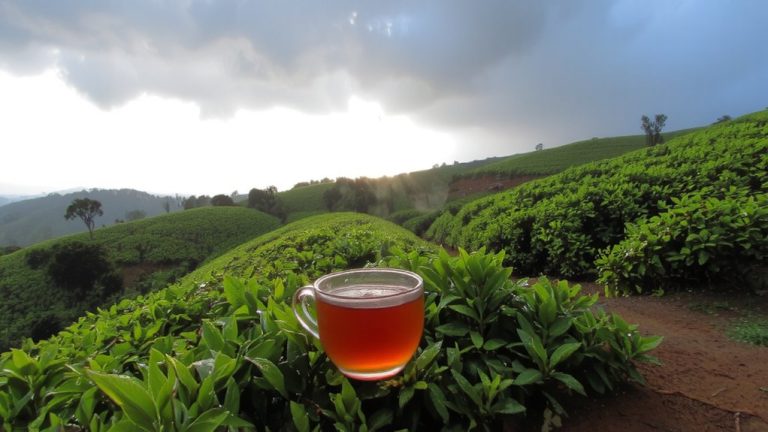
Though it started in 1271, the practice of shading tea plants wasn’t just tradition for tradition’s sake-it was a calculated move that transformed ordinary Japanese green tea into the umami-rich matcha you know today. Over centuries, matcha cultivation evolved using traditional methods like the honzu system, where rice straw screens shade leaves 20–50 days pre-harvest, blocking 60–90% of sunlight. This boosts chlorophyll, giving leaves a deep green hue, and triggers higher levels of L-theanine, the amino acid behind matcha’s smooth, savory flavor. These shaded teas develop up to 30% more L-theanine, enhancing both taste and calming effects. Today’s ceremonial matcha, made only from the youngest spring-harvested leaves, relies on this ancient technique. You’re not just drinking tea-you’re tasting 700 years of refined practice, where every sip reflects precision, culture, and nature working in balance.
On a final note
You get richer, smoother matcha because shading blocks 90% of sunlight for 20–30 days before harvest, boosting chlorophyll, L-theanine, and antioxidants. That means deeper green leaves, sweeter taste, less bitterness, and 130mg of L-theanine per gram-nearly 3x unshaded tea. Real testers note umami depth and calm focus. For true matcha quality, always check for shaded-grown sourcing; it’s the key to flavor, color, and health benefits you can taste and feel.