How Indian Chai Recipes Adapt to Regional Palates: Spicy in the North, Sweet in the South
You’ll find North Indian chai bold and spicy, brewed with Assam CTC tea, equal parts milk and water, and whole spices like cardamom, ginger, and black pepper, using just 1–2 teaspoons of sugar to highlight the tea’s natural bite, while South Indian versions favor Nilgiri loose-leaf tea, more milk, and sweeteners like condensed or coconut milk for a creamy, dessert-like cup, often spiced with just cardamom-each sip shaped by local taste, and there’s plenty more to discover about how region shapes every pot.
We are supported by our audience. When you purchase through links on our site, we may earn an affiliate commission, at no extra cost for you. Learn more. Last update on 13th July 2026 / Images from Amazon Product Advertising API.
Notable Insights
- North Indian chai uses strong black tea with bold spices like ginger and black pepper for a fiery, aromatic flavor.
- Southern chai emphasizes sweetness and creaminess with more milk, sugar, or condensed milk and minimal spices.
- Whole spices in the North are toasted to enhance depth, while the South favors subtle aromatics like cardamom.
- Regional ingredients like coconut milk in Kerala or jaggery in West Bengal tailor chai to local tastes and traditions.
- Brewing methods vary from vigorous boiling in Punjab to saffron-infused richness in Rajasthan, reflecting regional preferences.
The Spicy Boldness of North Indian Chai
While you might associate chai with sweetness, North Indian chai leans into boldness, building layers of heat and complexity through spices like fresh ginger, cardamom, and black pepper. You’ll find this masala chai rooted in strong black tea-typically Assam CTC-boiled with equal parts milk and water for a rich, full-bodied base. Chaiwalas in Delhi and Amritsar brew it kadak chai style: fierce, dark, and aromatic, simmering whole spices like cardamom, cinnamon, and cloves to release bold flavors. Fresh ginger and black pepper aren’t just for taste-they aid digestion and add warmth. A typical serving uses 1 teaspoon loose tea, 1-inch ginger, 2 crushed cardamom pods, and 3–4 peppercorns per cup. Sugar stays minimal-just 1–2 teaspoons-to keep the spice and tea’s natural bitterness in focus. This chai isn’t just a drink; it’s a daily ritual, packed with antioxidants and spice-powered benefits.
The Sweet Creaminess of South Indian Chai
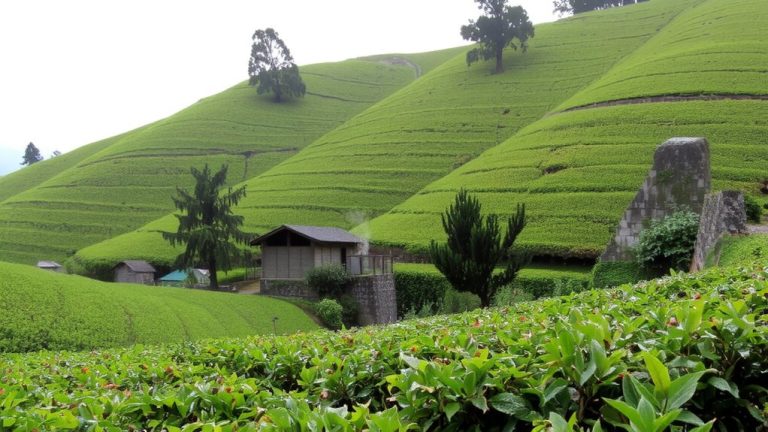
Creamy, sweet, and gently aromatic, South Indian chai wraps you in comfort with its rich mouthfeel and balanced flavors. You’ll find more milk and sugar here than in traditional masala chai, making it a sweeter, smoother drink. Many use loose leaf tea from Tamil Nadu’s Nilgiri region, known for its brisk, bright brew. Instead of heavy spices, it’s common to add just a touch of cardamom-or none at all-keeping the focus on the tea. In Kerala, locals often swap dairy milk for coconut milk, giving the chai tea a lush, tropical creaminess. Street vendors and railway stalls love using condensed milk for extra sweetness and silky texture. It’s not a spiced tea like North Indian masala, but it’s deeply satisfying. Whether you call it Indian chai or just a good cup of tea, this version proves milk and malt don’t need heat to shine.
Spice Profiles in Regional Chai
When you’re exploring regional chai across India, the spice blend you use shapes the whole experience, and it’s worth knowing how these flavors shift from north to south. In the north, you’ll find a bold mix of spices-ginger, black pepper, cardamom, and cloves-creating a fiery, pungent profile. This traditional Chai Masala often starts with toasting whole spices, releasing depth and complexity through enhanced oils and heat. In contrast, southern spice blends lean into aromatic spices like cinnamon and green cardamom, offering warmth without intense heat. Gujarat’s version uses a unique blend of spices with fennel and jaggery, balancing sweetness and spice. Kerala’s milder chai still packs a nuanced punch, relying on a subtle spice blend with grated ginger and cardamom. Whether it’s a robust northern mix or a smoother southern version, each blend of spices delivers distinct flavor, making your chai experience deeply regional and richly layered.
Milk and Sweeteners in Regional Chai
You’ve already seen how spices define the soul of chai across India, shaping each region’s signature warmth and fire, and now it’s time to talk about what rounds it all out-milk and sweeteners. In the north, whole milk is key, its richness cutting through strong spices and boosting the creaminess, with the amount of milk balanced to avoid diluting flavor. Southern chai, especially in Kerala, swaps dairy for coconut milk, adding a subtle sweetness and silkiness that pairs perfectly with black tea. You’ll find jaggery in West Bengal’s gud chai, replacing sugar with its earthy depth and natural minerals. Mumbai’s cutting chai relies on condensed milk or milk and sugar, making it bold, sweet, and quick. Hyderabad’s Irani chai uses evaporated milk for a malty thickness. While oat milk is a modern dairy alternative, traditional recipes still favor authentic textures from real dairy or coconut milk.
Chai Variations From Punjab to Kerala
While every region in India brings its own touch to chai, the variations from Punjab down to Kerala showcase how geography and tradition shape both flavor and preparation. You’ll find that a classic Punjabi masala chai recipe uses boiling water to extract boldness from chai blends packed with spices such as cardamom, ginger, and black pepper. In Delhi, milk softens the heat, but the spice kick still lingers. Rajasthan’s version enriches Indian tea with saffron and mawa for a creamy, sweet warmth. As you move south, chai variations shift-Karnataka introduces jaggery and a splash of coconut milk for balance. In Kerala, you’ll sip a smooth, aromatic brew where coconut milk replaces dairy, jaggery sweetens naturally, and spices such as cardamom and cloves define the blend. These regional adaptations reflect climate, culture, and taste, making every cup a unique expression of local identity.
How Chai Is Brewed Across Regions
Though the basics of chai brewing might seem universal, the real magic lies in how each region tailors the process to its tastes and traditions, using distinct tea types, spice ratios, and equipment that transform a simple brew into something deeply personal. You’ll find classic Masala Chai in the north, where boiling tea with spices and tea leaves creates a bold, warming drink. In Mumbai, cutting chai is strong, sweet, and served in small glasses, perfect for quick breaks. Kashmiri noon chai uses green tea, baking soda, and salt, simmered to develop its pink hue and silky mouthfeel. South India leans toward creamy milk tea, sometimes with coconut milk and milder spices. In Kolkata, chai is poured into clay cups, enhancing flavor and tradition. While the Chai Latte is a Western take, real regional brews rely on technique, not gadgets-delivering flavor, comfort, and ritual in every cup.
How to Make Authentic North and South Chai at Home
If you’re aiming to brew authentic North Indian chai, start by toasting 4–5 green cardamom pods and a small cinnamon stick in a dry pan until fragrant, then crush them lightly to release their essential oils. Chai is made with CTC (cut, torn, curled) Assam tea for a strong base, simmered in equal water and milk, with ginger and cloves forming a warming blend. For a true Indian Street experience, boil it longer-it intensifies the flavor. Chai uses coconut milk in the South, replacing whole milk for a creamier, sweeter cup of chai, often with toned milk and more sugar. Green tea is rarely used-this comforting beverage relies on bold black tea.
| Region | Key Characteristics |
|---|---|
| North | CTC tea, spicy blend, whole milk |
| South | Sweet profile, coconut milk, light spices |
| North | Ginger, cardamom, clove, black pepper |
| South | Higher sugar, milder spice, less intensity |
On a final note
You’ve now seen how chai shifts across India-bold and spiced up north, sweet and milky down south. Use Assam tea for strength, add ginger or cardamom for heat, and adjust sugar or jaggery to taste. Whole milk gives creaminess, while brewing time affects boldness. Whether you prefer a sharp, spicy kick or smooth sweetness, real chai starts with fresh ingredients and patience. Make it your way, one perfect cup at a time.