Why Turkish Rize Province Is the Heart of Black Tea Cultivation in Anatolia
You’ll find Rize’s steep, misty slopes drenched in 2,000 mm of rain yearly, feeding tea bushes in acidic, well-drained soil that produces rich, high-quality black tea. With hand harvesting on 30-degree inclines and nearly 300 local factories processing 900,000 tons of fresh leaves annually, Rize delivers the backbone of Turkey’s tea culture-brewed strong in a çaydanlık and served in tulip glasses, it fuels over 200,000 families while staying low in pesticides-see how this legacy shapes every cup.
We are supported by our audience. When you purchase through links on our site, we may earn an affiliate commission, at no extra cost for you. Learn more. Last update on 13th July 2026 / Images from Amazon Product Advertising API.
Notable Insights
- Rize’s humid climate with 2,000 mm annual rainfall and mild temperatures creates ideal conditions for tea cultivation.
- Its acidic, well-drained soils and natural mist enhance tea quality while reducing the need for pesticides.
- Steep slopes over 30 degrees require labor-intensive hand harvesting, preserving traditional farming practices.
- Rize produces over 65% of Turkey’s tea, making it the center of national black tea production.
- Family-run farms and Çay-Kur’s guaranteed purchases ensure economic stability and intergenerational sustainability in the region.
Why Rize Grows the Best Turkish Tea
Though you might not expect a narrow strip of land between the Pontic Mountains and the Black Sea to produce anything extraordinary, Rize does just that-growing Turkey’s finest black tea thanks to a perfect mix of climate, soil, and tradition. You’ll find that Rize’s humid microclimate, with 2,000 mm of annual rainfall and mild temps, fuels lush tea plantations across its fertile slopes. This Eastern Black Sea Region gets over 65% of Turkey’s tea production-nearly 900,000 tons of fresh leaves yearly-mostly from smallholder farms. The acidic, well-drained soils and natural mist reduce pests, so tea cultivation stays low on pesticides, yielding clean, aromatic black tea. Since the first seeds arrived from Batum in 1937, Rize has honed tea production with precision, now generating 5% of the world’s tea, most consumed domestically. The result? A rich, bold tea loved for flavor and freshness, grown where nature and practice align.
How Rize Made Tea Turkey’s National Drink
Because Rize’s misty slopes and rich, acidic soil proved perfect for tea, it didn’t take long for this small province to turn a foreign crop into Turkey’s daily ritual, and you can taste the difference in every cup. Tea arrived in the 1920s, and cultivation began along the humid Black Sea coast, where government support and seeds from Batum fueled growth. By the 1960s, the hills of Rize produced over 65% of the country’s tea, making Turkish Tea affordable and everywhere. Today, Rize is the country’s tea capital, with 95% of its crop staying home. You’ll find it in homes, shops, and streets-woven into Turkish life. Thanks to Çay-Kur’s support since 1971, supply stayed steady, embedding tea deep into daily life. Turks now drink about 1,300 cups a year, each steeped in tradition and local pride.
Harvesting Rize Tea by Hand on Steep Slopes
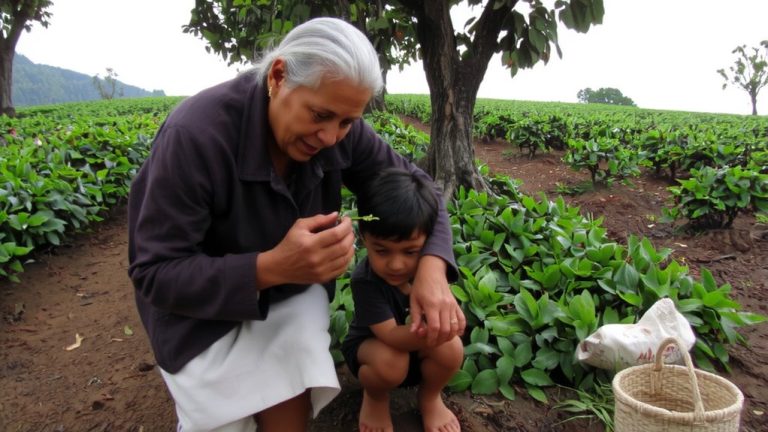
While machines handle tea harvesting in flatter regions, you’ll find nothing like that in Rize-here, every leaf is plucked by hand, a necessity born from slopes so steep they often rise over 30 degrees. You’re standing on Eastern Black Sea hillsides, where Turkish tea cultivation clings to terrain too rugged for equipment. Harvesting Rize tea means bending between tea bushes, carefully selecting the top two leaves and a bud-a precise hand-harvesting process ensuring premium black tea quality. Each worker gathers 10 to 15 kilograms of fresh tea leaves daily, contributing to nearly 900,000 tons annually. The steep slopes make it grueling, but tradition and terrain demand it. The first flush, Mayıs Çayı in May, yields the most flavorful leaves. This labor-intensive method preserves the integrity of the tea, securing Rize’s role as the heart of Turkish tea.
Brewing Turkish Tea: The Çaydanlık and Tulip Glass
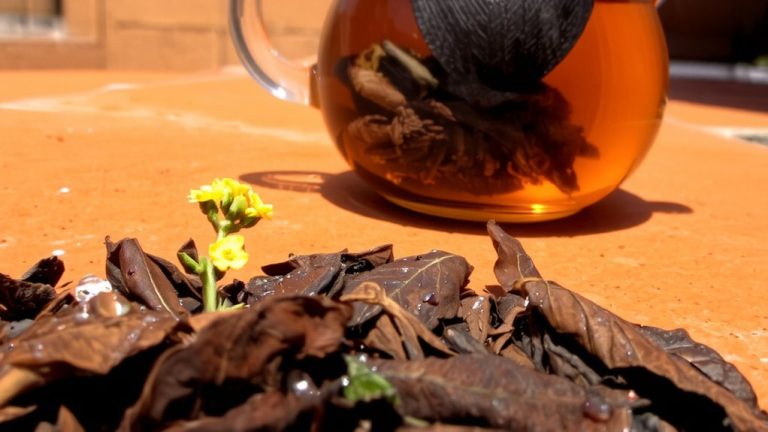
You’ve seen how every leaf of Rize tea is hand-plucked on steep Black Sea slopes, a careful process that starts with the bud and first two leaves to preserve quality, and now you get to experience the result-brewed just right in a çaydanlık. This two-tiered teapot is used to steep loose-leaf tea in the upper pot while water boils below, creating a strong concentrate after 20–30 minutes. You drink tea your way: mix concentrated tea with hot water for koyu (strong) or açık (weak). Forget tea bags-this is real tea time. It’s served in clear, tulip-shaped glasses, designed to hold heat and show color, so you can judge strength. Each tea glass narrows at the waist, fitting perfectly in hand, and over 400 million are used yearly. Drinking tea from these thin-stemmed tea glasses makes every sip part of tradition, not just habit.
How Rize Tea Supports 200,000 Families
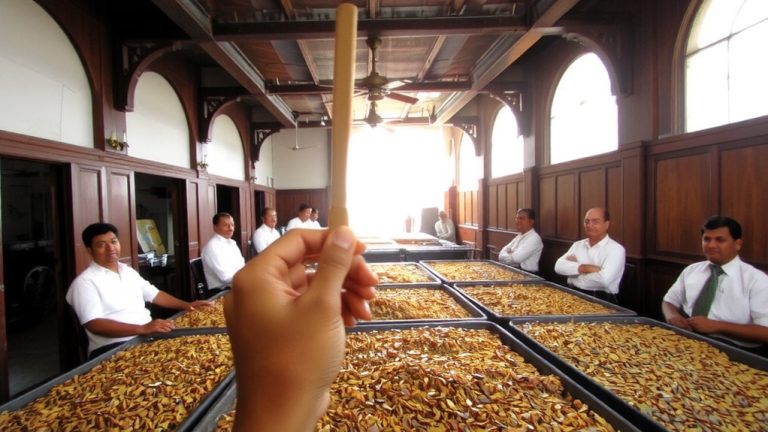
A single cup of Rize tea carries the weight of generations, and that’s no exaggeration-over 200,000 families across Turkey rely on the tea trade, most of them rooted in Rize’s misty highlands where the crop dominates the economy. You’re part of a vast network if you work in tea cultivation here, where 900,000 tons of fresh tea leaves are harvested each year. Most farming happens on family-run plots, passed down to build intergenerational economic resilience. Nearly 300 tea factories in Rize process the leaves, turning them into the bold black tea Turkey loves. With Çay-Kur guaranteeing purchases, farmers gain stable income, no matter market swings. This support sustains rural life, linking hard work to reliability. When you brew Rize tea, you’re not just enjoying flavor-you’re upholding a tradition that feeds 200,000 families, season after season.
Mayıs Çayı: Rize’s Spring-Only Tea Tradition
What makes a tea so special it’s only served on rare occasions? In Rize, that tea is Mayıs Çayı, a spring-only tea harvested from the first flush of tender tea leaves in late May. You’ll find its superior flavor smooth, bright, and deeply aromatic, thanks to the fresh aroma of young leaves nourished by coastal fog and rich soil. Locals reserve this prized tea for special occasions, offering it to honor guests. Its limited availability comes from a short harvest window and small yields, making bulk production rare. Though largely unknown outside Turkey, those who taste it note its clean finish and subtle sweetness. Crafted with care, this seasonal brew captures Rize’s tea tradition in a cup. You won’t find it year-round, and that’s what makes it meaningful.
On a final note
You’ll enjoy Rize tea’s bold flavor and amber hue, brewed strong in a çaydanlık and diluted to taste in a tulip glass. Grown at 300–1,200 meters, hand-harvested leaves produce 2.5 kg per hour per worker. Rich in antioxidants, it delivers 30–50 mg of caffeine per cup. Try fresh Mayıs Çayı in spring. It supports 200,000 families and sets the standard for black tea in Turkey.