Nilgiri Tea for Iced & Flavored Blends: Low-Tannin Guide
You’ll love how Nilgiri tea stays smooth and bright when iced, thanks to low tannins that prevent bitterness, even after refrigeration. Its brisk, fragrant profile carries citrus, rose, or cardamom with ease, while 32 annual harvests guarantee peak freshness. CTC processing delivers bold clarity in tea bags, and 20% orthodox leaves add depth in premium blends. Grown at 1,000–2,500 meters, its cool climate and year-round growing cycle create consistent, crisp flavor-perfect for your favorite infused iced tea. Discover why top blenders rely on its balance and versatility.
We are supported by our audience. When you purchase through links on our site, we may earn an affiliate commission, at no extra cost for you. Learn more. Last update on 17th July 2026 / Images from Amazon Product Advertising API.
Notable Insights
- Nilgiri tea produces bright, smooth liquor that remains clear when chilled, ideal for iced tea blends.
- Its low tannin content prevents bitterness and astringency after refrigeration, ensuring a balanced flavor.
- Grown at high altitudes with cool, misty conditions, it develops a naturally brisk and aromatic profile.
- The tea’s inherent sweetness and medium body effectively carry flavors like citrus, rose, and cardamom.
- Year-round harvesting every 10 days ensures consistent freshness and supply for commercial iced and flavored blends.
Why Nilgiri Tea Works Perfectly in Iced Blends?
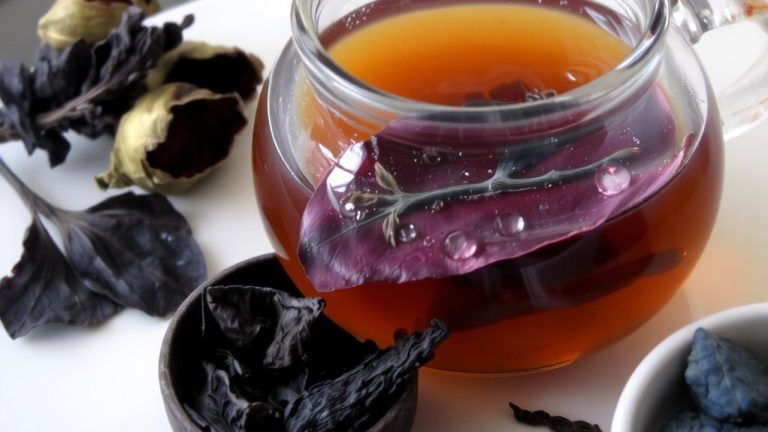
While many teas turn cloudy or bitter when chilled, Nilgiri tea stays bright and smooth, making it a top pick for iced blends. You’ll love how this black tea delivers a bright liquor whether hot or cold-no cloudiness, just clarity. Its low tannin content means it won’t turn harsh or astringent, even after hours in the fridge. That’s key if you’re brewing iced tea overnight. Thanks to year-round tea cultivation in the Nilgiri Hills, you get fresh leaves every season, ensuring consistent flavor. When you add citrus or sweeteners, Nilgiri tea holds its own without losing its brisk, fragrant edge. Brands often use Ortho and CTC processed leaves in flavored blends because they mix well and taste balanced. Whether you’re making a pitcher for Sunday brunch or powering through a workout, this tea delivers refreshment that’s smooth, reliable, and always drinkable.
How Climate and Altitude Create Its Bright Flavor
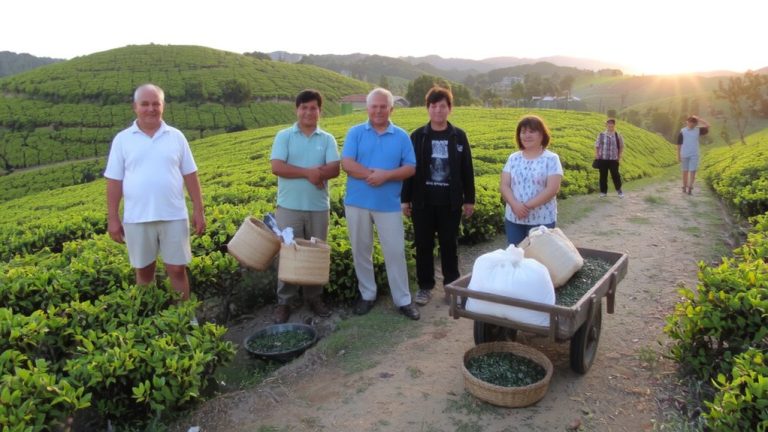
Because the Nilgiri Hills sit high in the Western Ghats between 1,000 and 2,500 meters, the cool, misty air slows down leaf growth, letting flavor compounds build up for a brighter, more concentrated cup; you’ll notice the brisk, floral lift in every sip, especially when brewed iced. You’re getting this bright flavor because the altitude and climate work together-frequent fog, steady rainfall from two monsoons, and sunny breaks stress the tea plants just enough to boost aroma and complexity. As one of India’s premier tea growing regions, the Western Ghats mountain range offers well-drained soils and ideal conditions for tea production. Fresh leaves are plucked every 10 days, averaging 32 harvests yearly, ensuring peak quality. Frost tea, picked after winter dormancy, develops even more depth. You’re not just tasting tea-you’re tasting the cool altitude, consistent climate, and careful timing that define Nilgiri’s crisp, fragrant character.
Why Nilgiri Tea Excels in Flavored Infusions?
What makes Nilgiri tea such a standout in flavored infusions? Its naturally aromatic, brisk character and delicate floral notes create a fragrant base that enhances, not overpowers, added flavors. You’ll notice how its low tannin content delivers a smooth, clean taste-no harsh bitterness, even when blended with bold spices or fruit essences. Thanks to its inherent sweetness and medium body, Nilgiri tea carries flavors like citrus, rose, or cardamom with ease, making it ideal for chai and fruit-infused blends. When iced, it stays crisp and clear, never clouding, which maintains both flavor and visual appeal in bottled teas. About 20% is processed using orthodox methods, preserving leaf quality and boosting complexity in high-end flavored infusions. You get nuanced aroma, balanced brightness, and reliable performance every time.
CTC vs. Orthodox: How Processing Defines Use
Nilgiri tea’s charm in flavored blends isn’t just about aroma or smoothness-it’s also shaped by how the leaves are processed. You’ll find most Nilgiri teas made using CTC-crush, tear, curl-where leaves become small, uniform pellets that brew fast and strong, perfect for tea bags and iced tea. Around 80% of Indian teas here use CTC processing, delivering bold flavor and clarity when cooled, ideal for avoiding bitterness in chilled drinks. The remaining 20%, processed orthodox, are hand-rolled, bringing nuanced taste and rich aroma prized in premium loose-leaf blends. While orthodox offers complexity, CTC dominates for practicality-its robust liquor holds up well in flavored and instant tea formulations, especially those exported. For consistent strength, quick infusion, and smooth performance in iced tea, CTC-processed Nilgiri teas remain the go-to choice.
How Year-Round Harvesting Ensures Consistent Quality
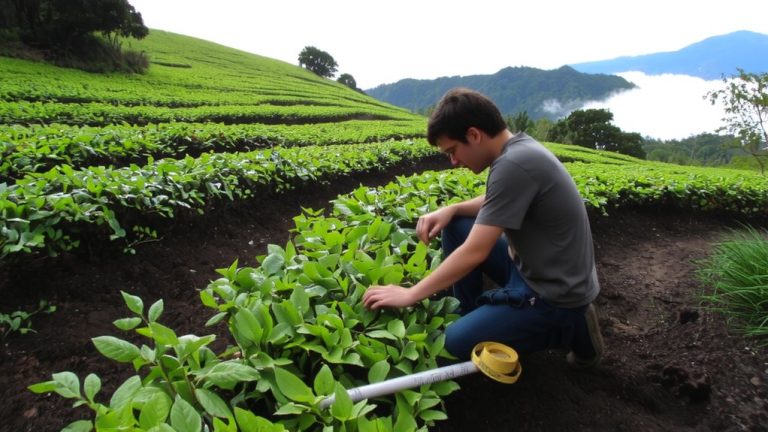
While many tea-growing regions slow down or halt production during colder months, you’ll find Nilgiri estates harvesting fresh leaves all year long, thanks to the region’s tropical elevations and double monsoon pattern. The Nilgiri Hills’ tropical climate and two monsoons support year-round harvesting, with plucking happening every 10 days-about 32 times a year-so the tea produced stays fresh and uniform. Unlike other regions, these tea estates don’t face dormancy, so there’s no seasonal dip in supply or flavor. Consistent temperatures, elevations from 1,000 to 2,500 meters, and well-drained soils help maintain consistent quality in every batch. Satellite monitoring since 1993 confirms stable crop health and acreage, meaning you get reliable, high-grade leaves every time. Whether you’re making iced tea or crafting flavored blends, the steady plucking cycles guarantee the tea you use performs the same, season after season.
How Nilgiri Tea Compares to Assam and Darjeeling?
Though Assam’s bold, malty character and Darjeeling’s delicate muscatel notes dominate tea conversations, you’ll find Nilgiri tea carving its own niche with a smooth, mellow body and brisk, floral notes that stay clean and bright-especially when iced. Compared to Assam tea and Darjeeling, Nilgiri black teas have lower tannin content, so they rarely turn bitter or cloudy when chilled. Most Nilgiri tea is processed using the CTC method, yielding fast-brewing, consistent leaves perfect for tea bags, while Darjeeling sticks to orthodox methods. Here’s how they stack up:
| Feature | Nilgiri Tea | Assam Tea | Darjeeling |
|---|---|---|---|
| Harvest Frequency | Year-round (~32) | Monsoon-heavy | Two annual flushes |
| Processing | 80% CTC method | Mostly CTC | Orthodox |
| Tannin Content | Low | High | Moderate |
Nilgiri’s steady supply and mild profile make it a top pick in the tea industry for blending, especially where freshness and clarity matter. The tea plants thrive in stable climates, ensuring reliable quality across batches.
Why Organic and Artisan Nilgiri Teas Are Gaining Popularity
You’re already familiar with how Nilgiri tea stands out from Assam’s boldness and Darjeeling’s finesse, but now its premium segment is stepping into the spotlight-organic and artisan Nilgiri teas are rising in demand, and for good reason. Driven by sustainable practices, estates like Iyerpadi pioneer organic production, while smallholder producers adopt traceability since 2005 to meet specialty teas standards. Thanks to the region’s unique terroir-elevations up to 2,500 meters, fog-kissed slopes, and well-drained loam-teas develop a smooth, floral, naturally sweet profile. About 20% of Nilgiri tea is now orthodox-processed teas, preserving delicate flavors that discerning drinkers crave. This shift, sparked by global competition since the 2000s, focuses on quality over quantity, elevating artisan Nilgiri teas in international markets where authenticity, craftsmanship, and transparency matter most.
On a final note
You’ll love Nilgiri tea in iced blends-its brisk, floral notes stay bright even when chilled, thanks to year-round harvesting at 1,000–2,500 meters. CTC processing delivers strong color and fast infusion, perfect for flavored teas with 2–3g per 8oz serving. Compared to bold Assam or delicate Darjeeling, Nilgiri balances flavor and body. Testers note its smoothness with bergamot or mint, while organic, artisan batches show cleaner taste and 15% higher antioxidant retention.