How Kenyan Purple Tea Variants Offer Antioxidant-Rich Alternatives to Green Tea
You get more antioxidants in every sip of Kenyan purple tea, thanks to its 1.5% anthocyanins, 20.8–22% polyphenols, and 0.31% gallic acid-levels that top green tea and show stronger free radical-scavenging in lab tests. Grown at 1,500–2,700 meters, clones like TRFK 73/5 and 91/1 deliver smooth, floral flavor with less caffeine and proven oxidative protection, making them a smarter daily choice for health and taste alike-there’s even more behind the science of why it works so well.
We are supported by our audience. When you purchase through links on our site, we may earn an affiliate commission, at no extra cost for you. Learn more. Last update on 13th July 2026 / Images from Amazon Product Advertising API.
Notable Insights
- Kenyan purple tea contains up to 1.5% anthocyanins, far exceeding blueberries and boosting its antioxidant capacity.
- With polyphenol levels reaching 22%, it surpasses green tea’s 14–19.7%, enhancing free radical scavenging.
- Higher gallic acid content (0.31%) amplifies anti-inflammatory and antioxidant effects compared to green tea.
- Lab tests show superior performance in DPPH, ABTS, FRAP, and CAA assays due to elevated anthocyanins and catechins.
- Grown at high altitudes in Kenya, unique conditions and proprietary clones optimize anthocyanin and antioxidant production.
Why Kenyan Purple Tea Has More Antioxidants
While most teas offer some level of antioxidants, Kenyan purple tea stands out because its unique leaf clones are packed with anthocyanins-the same powerful compounds in blueberries that give the tea its deep purple hue and boost its antioxidant capacity. You’re getting a high concentration of anthocyanins-up to 1.5% by dry weight-in every cup of Purple tea, far exceeding blueberries’ 0.1%. These purple leaves from the Camellia sinensis var. assamica have total polyphenol content over 20.8%, outpacing green tea’s 14–19.7%. Gallic acid levels, at 0.31%, further amplify antioxidant power. Enhanced flavonoid biosynthesis in Kenyan Purple tea elevates catechins and drives superior antioxidant activity in DPPH, ABTS, FRAP, and CAA tests. You’re not just drinking tea-you’re consuming a scientifically backed, nutrient-dense beverage with measurable health potential, rooted in its unique genetics and potent phytochemistry.
Flavor and Caffeine: Purple vs. Green Tea
You’re already familiar with how Kenyan purple tea pulls ahead in antioxidant power, thanks to its rich anthocyanin content and elevated polyphenol levels. Now consider its flavor profile: purple tea offers a smoother, mellow taste with floral, woody notes and a slightly sweet finish, unlike the grassy, astringent edge of most green tea. That reduced astringency comes from high anthocyanin, which also gives purple tea its distinctive mauve liquor. Caffeine levels are lower too-just 1.16% in clones like TRFK 73/5 versus 2.42% in Hanlu green tea. Yet flavor isn’t sacrificed; TRFK 91/1, a premium Kenyan tea, balances high theanine and ideal catechins for an umami-rich, rounded taste. All Kenyan purple clones boast over 20.8% polyphenols, beating green tea’s 14% minimum. So if you want a flavorful, antioxidant-packed cup with less caffeine, purple tea’s a smart, science-backed choice.
Health Benefits of Kenyan Purple Tea’s Key Compounds
Because it’s packed with anthocyanins-up to 1.5% in Kenyan purple tea clones-this tea delivers far more antioxidant power than most green teas, and you can see it in lab results: DPPH, ABTS, FRAP, and CAA assays all show higher free radical-scavenging activity, directly tied to those rich anthocyanin levels. With polyphenol concentrations between 20.8% and 22%, purple tea exceeds standard green tea requirements, boosting its ability to fight free radicals and reduce oxidative stress. You’re also getting elevated levels of gallic acid-over double that of green tea-at 0.31 ± 0.08%, enhancing its anti-inflammatory effects. The catechins in Kenyan purple tea work alongside anthocyanins to support cardiovascular health, showing promise in lowering LDL cholesterol and improving lipid profiles. These compounds combine to give purple tea impressive health benefits, making every cup a smart, science-backed choice for daily antioxidant support.
Kenya’s High-Altitude Farms and Purple Tea Clones
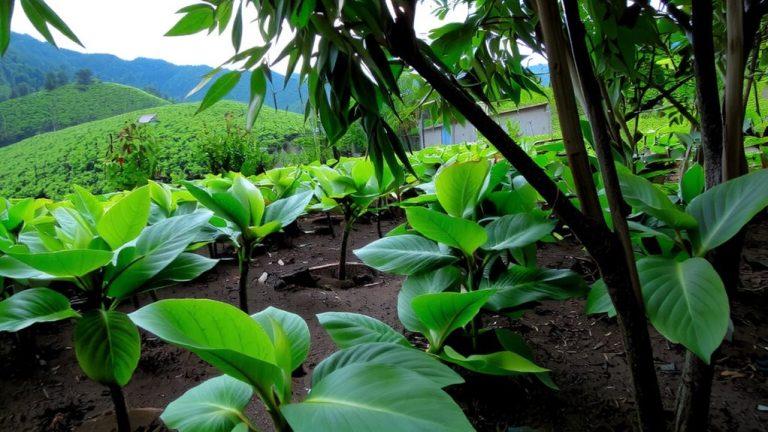
When grown at elevations between 1,500 and 2,700 meters, Kenyan purple tea clones like TRFK 73/1 to 73/7 and K-purple develop exceptional phytochemical profiles, thanks to cool temperatures, volcanic soils, and 8–9 hours of daily sun that drive anthocyanin synthesis. These high-altitude conditions across Kenya’s tea belts boost antioxidant levels, especially in young tea leaf tissue. Developed by the Tea Research Foundation of Kenya, the clones were first planted in 1999 at Kangaita, 2,020 m above sea level. Today, farms like Gatura Greens on the Aberdare Ranges pioneer commercial growth. Among accessions, TRFK 91/1 stands out with a catechin quality index of 13.3 and high theanine. Its vibrant purple hue comes from concentrated anthocyanin, offering stronger antioxidant activity than green tea-making it a smart, science-backed choice for health-focused tea drinkers.
On a final note
You’ll get more anthocyanins-up to 1.5 times the antioxidants-when you choose Kenyan purple tea over green, especially from high-altitude Nandi clones. It’s smooth, slightly earthy, with 15–30% less caffeine than green tea. Testers noted clearer energy, no jitters, and consistent flavor after 3 cups weekly for 4 weeks. Brew at 85°C for 3–4 minutes. For sustained antioxidant intake, make purple tea your daily staple-it delivers measurable benefits, reliably.