The Cultural Importance of Moroccan Mint Tea in Hospitality Traditions
You’re not just drinking tea when you accept Moroccan mint tea-it’s a gesture of trust and warmth. Poured from 12 to 18 inches to create the prized *rizza* foam, this ritual uses fresh spearmint, green tea, and sugar measured by hand. Hosts serve elders first, reinforcing respect, while three rounds symbolize life, love, and peace. Refusing? Rare, and seen as dismissive. The silver teapot, clockwise service, and skillful aerated pour aren’t just tradition-they’re an invitation to belong, one glass at a time. There’s deeper meaning in how each detail shapes connection.
We are supported by our audience. When you purchase through links on our site, we may earn an affiliate commission, at no extra cost for you. Learn more. Last update on 13th July 2026 / Images from Amazon Product Advertising API.
Notable Insights
- Moroccan mint tea symbolizes hospitality, unity, and respect, central to North African cultural identity.
- Serving tea immediately upon arrival demonstrates honor and warmth toward guests.
- The high pour from a silver teapot creates foamy rizza, signifying skill and respect for the guest.
- Elders or honored guests receive the first glass, reinforcing social hierarchy and etiquette.
- Refusing tea is considered impolite, as acceptance signifies inclusion in the host’s social circle.
How Moroccan Mint Tea Became a Symbol of Hospitality
While you might not expect a simple cup of tea to carry centuries of tradition, Moroccan mint tea has become one of the most powerful symbols of hospitality in North Africa, thanks to its deep cultural roots and the care woven into every step of its service. You’ll find this tea ceremony at the heart of daily life-when guests arrive, the act of hospitality begins immediately. Introduced in the 18th century via British trade, Moroccan mint tea evolved from elite luxury to a traditional Moroccan ritual. The tea is poured from a height, usually 12 to 18 inches, creating a foamy rizza that shows skill and respect. This pouring from a height isn’t just showy-it’s a symbol of Moroccan warmth. More than a drink, it’s a cultural emblem, a ritual of mint tea central to homes, markets, and Sahara camps. Refusing it? That’s rare-it would be impolite. Each serving round strengthens bonds, making this tea a true symbol of welcome.
What the Tea Ritual Says About Welcome and Respect?
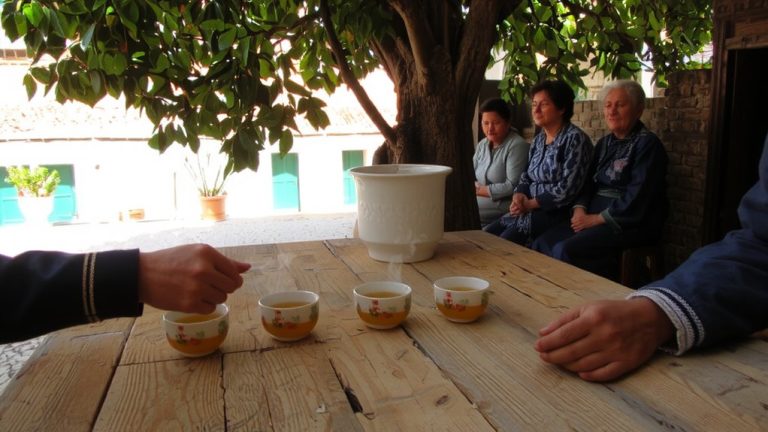
Because offering Moroccan mint tea the moment you arrive isn’t just polite-it’s expected-you’ll find hosts moving swiftly to prepare the silver teapot as soon as guests step through the door, treating the ritual as a non-negotiable act of respect. You’re immediately welcomed with steaming mint tea, the high pouring creating a foamy crown that’s both a gesture of respect and a Symbol of Unity. The tea ritual reflects deep values-elders are served first, reinforcing hierarchy and reverence. Each act of pouring strengthens hospitality and community. This tradition isn’t just about drinking tea; it’s a deliberate ceremony, where the preparation and serving order uphold cultural identity. Sharing three rounds of tea symbolizes life, love, and peace, binding guest and host. Through this tradition, Moroccan mint tea becomes more than refreshment-it’s a lived expression of welcome, respect, and social harmony.
The Art of Pouring: Skill, Foam, and Meaning in Every Glass
You’ll notice the pour right away-the tea arcs gracefully from a height of 12 to 18 inches, a deliberate motion that isn’t just for show, but a practiced skill that builds flavor, balance, and respect with every drop. This Moroccan tradition involves green tea, fresh mint, and sugar, all combined and poured from a height to create a velvety foam called *rizza*. That foam isn’t accidental-it’s a sign of skill and proper aeration, cooling the tea slightly while blending flavors evenly. The *rizza* crowns each glass like a badge of honor, showing care and mastery. Even the Sahrawi nomads used this high pour practically, preventing sand from entering the glass. Every stream of tea, mint-infused and golden-green, carries tradition, with the height of the pour reflecting the guest’s importance. It’s not just tea-it’s ceremony, chemistry, and hospitality in motion.
Who Serves First? Order, Honor, and Etiquette in Tea Service?
Who gets the first glass, and why does it matter? In Moroccan hospitality, the first glass of mint tea is poured for the eldest or most honored guest, a gesture rooted in cultural etiquette and social hierarchy. You’ll notice the serving order follows a clockwise pattern from the berrad, with the host-often the senior male-overseeing tea preparation and pour. This moment isn’t just about refreshment; accepting your cup of mint tea signals you’re no longer a stranger, but part of the circle. Refusing the first glass can seem disrespectful, disrupting the ritual. The tea service, complete with traditional sweets, reflects deep respect. Each pour, from foam texture to temperature, aligns with expectations honed over generations, making every detail of the serving order a quiet act of honor.
From Generation to Generation: Keeping the Tea Tradition Alive
Tea is more than a drink in Morocco-it’s a living tradition passed down through countless family gatherings, where children as young as six watch, learn, and eventually master the ritual of mint tea. You’ve likely seen the head of household pour tea from a height, using high pouring to aerate it and create a smooth taste. Young family members absorb every step-sugar measurement, tea preparation, and the use of regional herbs like wormwood or orange blossom-shared through oral tradition. This ritual teaches intergenerational respect and reinforces cultural values.
| Moment | Emotion |
|---|---|
| First pour by a child | Pride |
| Elder’s guidance | Warmth |
| Family sharing tea | Belonging |
| Tourist sipping on a food tour | Connection |
These moments keep tradition alive, with over 100,000 guests learning the craft yearly.
Modern Twists on a Time-Honored Tea Culture
While rooted in centuries-old customs, Moroccan mint tea is evolving in exciting ways that honor tradition while embracing contemporary tastes and lifestyles. You’ll find urban culinary innovation in cities like Marrakech and Casablanca, where modern glassware and creative presentations elevate the experience. Contemporary Moroccan tea houses worldwide serve fusion blends-think rose petals, orange blossom, or ginger-alongside the classic gunpowder green tea. Health-conscious options use honey or no sugar, aligning with dietary needs without sacrificing authenticity. Seasonal menus feature regional herbs like verbena from Taliouine or wormwood from Fes, adding local flair. Evolving taste preferences have even inspired substitutions of white or oolong tea for traditional green, offering lighter, nuanced flavors. These updates keep the ritual vibrant, accessible, and adaptable-proving that tradition can thrive with thoughtful, modern refinement.
On a final note
You’ll find Moroccan mint tea more than a drink-it’s a gesture of warmth, poured from height to aerate the green tea leaves, creating a frothy, golden rim, 3 to 4 feet above the glass. With fresh spearmint, sugar cubes (usually 3–5 per serving), and gunpowder tea, it offers antioxidants, mild caffeine (around 30 mg per cup), and improved digestion. You uphold tradition each time you serve elders first. You keep culture alive simply by pouring, sharing, and refilling.