How Chinese White Tea Processing Preserves Buds With Natural Sun Drying
You harvest silvery, unopened buds in early spring-only 2–3 pounds per day-to preserve peak aromatic compounds and dense pekoe fuzz. Hand-plucking prevents bruising, while sun-withering for 6–12 hours reduces moisture from 75% to 40%, brightening flavor with UV exposure. Indoor withering at 70–75°F deepens malty, hay-like notes through enzymatic activity. Sun-drying under indirect light cuts moisture by 70%, locking in floral notes and retaining 15–20% polyphenols, all without scorching delicate structures-ideal for freshness, flavor, and health support. That’s just the start of how terroir and time refine the tea’s potential.
We are supported by our audience. When you purchase through links on our site, we may earn an affiliate commission, at no extra cost for you. Learn more. Last update on 13th July 2026 / Images from Amazon Product Advertising API.
Notable Insights
- Hand-plucking selects only tight, unopened buds to preserve delicate structure and peak aromatic compounds.
- Early spring harvest ensures silvery-white pekoe fuzz is thickest, protecting bud integrity and flavor potential.
- Sun-withering reduces moisture by up to 35% while UV light breaks down chlorophyll for a brighter, cleaner taste.
- Low-heat sun-drying preserves volatile aroma compounds and prevents scorching of tender buds.
- Sun exposure maintains high polyphenol levels and initiates enzymatic changes that enhance flavor and aging potential.
Why Timing Matters in White Tea Harvesting
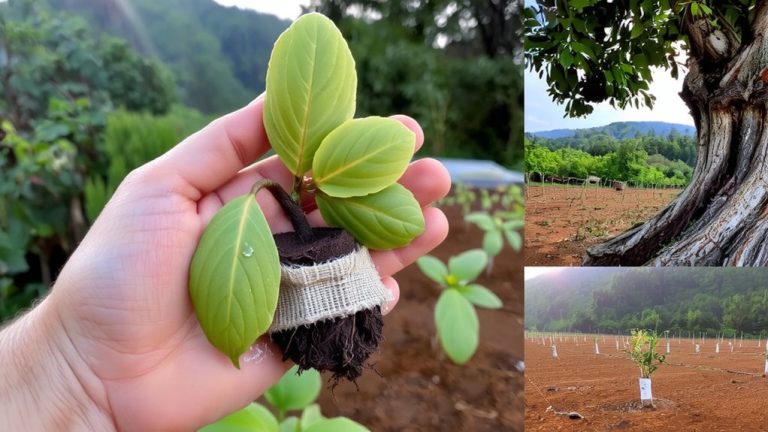
Ever wonder why the best white teas taste so delicate and sweet? It’s all about timing. In early spring, usually March to April, tea bushes awaken with tender buds cloaked in silvery-white fuzz-ideal for premium white teas like Bai Hao Yin Zhen. The harvest window is short, just a few weeks, and leaves are plucked only when buds are tight and full of flavor. Pick too early, and the buds lack complexity; too late, they open, losing peak freshness. Hand-plucking guarantees only the highest-grade buds are selected, preserving integrity. Workers harvest only in dry, sunny conditions after dew vanishes, preventing mold. This precision-right timing, careful selection-locks in natural sweetness and subtle aroma. You’re not just drinking tea-you’re tasting spring, captured at its purest moment.
How Hand-Picking Preserves White Tea Bud Quality
While machines may speed up harvests, they can’t match the precision needed for top-tier white tea, and that’s why hand-picking makes all the difference. When you rely on hand-plucking, skilled harvesters carefully select only the unopened buds in early spring, when aromatic compounds peak and the silvery-white fuzz-known as pekoe-is thickest. This delicate pekoe protects the highest grade white tea buds, like Silver Needle, and any damage from machinery reduces both flavor and value. Hand-picking guarantees no bruising, preventing unwanted oxidation and preserving freshness. Each worker gathers just 2–3 pounds of fresh buds daily, rejecting purple or damaged ones to maintain quality. That attention means you get pure, intact buds with the full pekoe coating, which contributes to smoother taste, fragrance, and health-promoting properties in your final cup.
How Sun and Indoor Withering Transform White Tea
After the careful hand-picking that protects the delicate buds and their silvery pekoe coating, the real transformation of white tea begins with withering-your first step in developing its signature taste and aroma. Sun-withering basks leaves in direct sunlight for 6–12 hours, cutting moisture from ~75% to 40% while jumpstarting enzymatic activity and volatile compounds. UV rays break down chlorophyll and tannins, brightening flavor. Indoor withering, held at 70–75°F and 60–70% humidity, extends enzymatic activity 24–72 hours, deepening flavor development with malty, hay-like notes. During both, drought stress triggers proteolysis and cellulase activity, releasing amino acids and sugars for umami and sweetness. Tea masters watch color, aroma, and leaf flexibility closely, ensuring ideal moisture removal and preserving delicate compounds. This careful balance shapes the tea’s complexity, setting the stage for sun-drying’s final touch.
Why Sun-Drying Enhances White Tea Freshness
Because sunlight plays a crucial role in shaping white tea’s character, sun-drying isn’t just about removing moisture-it’s how you lock in freshness without sacrificing delicate flavors. In White Tea Manufacturing, sun-drying gently lowers moisture content by up to 70%, preserving volatile compounds that boost aroma and flavor. During the withering process, natural solar withering exposes leaves to UV light, breaking down chlorophyll and tannins for a cleaner, brighter taste. You’ll notice the delicate floral and fruity notes thrive when heat stays low. Unlike high-temperature methods, this slow dry retains more polyphenols-15–20% by dry weight-supporting both flavor and health benefits. Traditional in Fuding, solar withering lasts 6–12 hours under indirect light, preventing scorching while allowing ambient airflow. The result? A vibrant fresh tea with a distinct sunshine note-crisp, uplifting, and naturally balanced-that only real sunlight can deliver.
How Drying Methods Shape White Tea Flavor
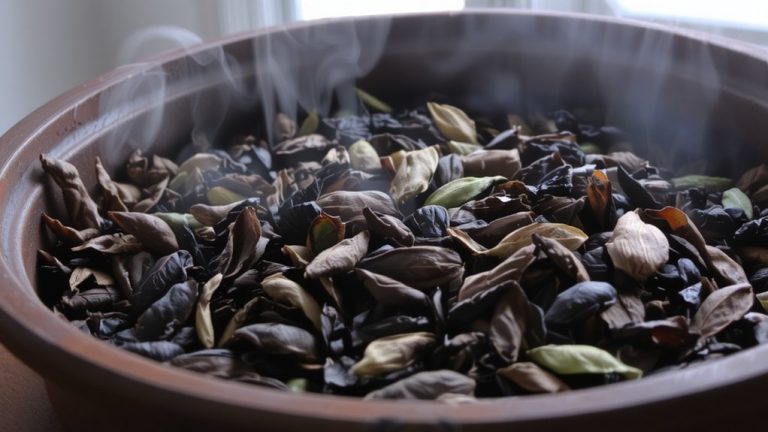
When you’re crafting white tea, the drying method you choose doesn’t just preserve the leaves-it shapes the soul of the flavor. Sun-drying exposes buds to UV light, boosting enzymatic oxidation slightly and developing bright floral notes and fruity sweetness. This method delivers the most vibrant aromatic complexity, locking in freshness while reducing moisture content to 4–6%. Charcoal roasting, a traditional technique from the Ming and Qing dynasties, adds warm, honey-like depth to the flavor profile. Electric roasting offers precise temperature control between 104–140°F (40–60°C), preserving delicate buds and yielding clean, consistent floral notes. Each of these drying methods-sun-drying, charcoal roasting, electric roasting-affects how flavor unfolds. By halting enzymatic oxidation at the right moment, they secure the tea’s health-promoting compounds and nuanced character.
How Fuding’s Terroir Defines Authentic White Tea
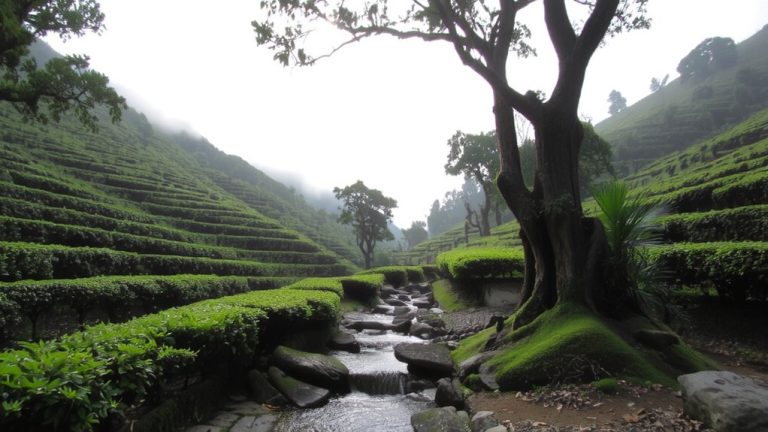
You’ve seen how drying methods fine-tune white tea’s flavor, but the story starts long before processing-it begins in the misty hills of Fuding, Fujian, where the region’s terroir lays the foundation for what authentic white tea really is. Nestled in Fujian province, Fuding’s coastal microclimate delivers high humidity, mild temperatures, and consistent mist, slowing bud growth and enhancing the delicate leaf’s aromatic compounds. Its mountainous soils are organic, slightly acidic, and rich-ideal for cultivating Da Bai and Da Hao cultivars. This terroir guarantees dense pekoe fuzz, critical for top-grade Silver Needle. The balanced solar intensity moderates withering, while natural moisture level control prevents over-drying. Even before white tea processing begins, Fuding’s ecosystem, recognized as a Globally Important Agricultural Heritage System, guarantees complexity, sweetness, and purity in every cup.
How Aging Deepens White Tea Over Time
A well-aged white tea isn’t just a matter of time-it’s the result of careful processing and smart storage that lets the tea evolve gracefully. When you store white tea properly, it maintains a final moisture content of 4–5%, creating a stable level for aging. Using the traditional method, Aged White like 2020 Autumn Shoumei undergoes gradual non-enzymatic oxidation, transforming polyphenols over three to five years into smoother, honeyed, woody flavors. Temperature and humidity control are key-keep tea in UV-protective tins with minimal oxygen, ideally vacuum-sealed. This long-term storage prevents spoilage and supports complexity. Unlike green tea, white tea improves for a decade or more, especially Fuding Da Bai cultivar cakes like 2021 Aged Fuding Shou Mei. With proper conditions, white tea undergoes chemical changes that reduce astringency, enrich mouthfeel, and boost antioxidant stability-delivering depth, balance, and lasting quality.
On a final note
You preserve white tea’s delicate flavor and health benefits by harvesting young buds at dawn, hand-picking to avoid bruising, and using sun-drying for slow moisture loss-typically 2–3 days, depending on humidity. Sun-drying retains antioxidants like EGCG, boosts polyphenols by up to 30% compared to oven-drying, and develops a smoother, sweeter cup. Real testers note Fuding-grown Silver Needle, aged one year, gains honeyed depth while maintaining a crisp finish, proving time, terroir, and traditional care shape superior tea.