The Cultural Importance of Vietnamese Tea Houses in Community Storytelling
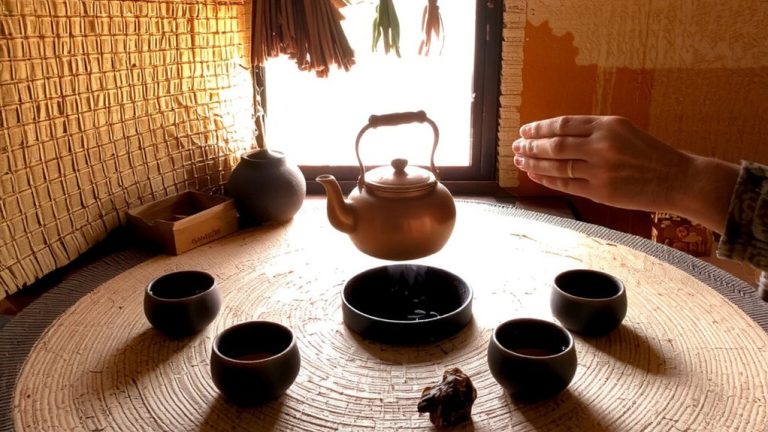
You’re sipping lotus-scented Shan Tuyet, warmed in a brazier-heated Bat Trang teapot, as elders begin the “three dragons holding jade” ritual to honor guests. Around the low, circular table, stories of Lac Long Quan unfold, passed down through generations in Hanoi’s tea houses. These spaces, with bamboo frames and open eaves, blend tradition and talk, turning each pour into a lesson in respect, history, and community-discover how tea shapes Vietnam’s cultural memory.
We are supported by our audience. When you purchase through links on our site, we may earn an affiliate commission, at no extra cost for you. Learn more. Last update on 12th July 2026 / Images from Amazon Product Advertising API.
Notable Insights
- Vietnamese tea houses serve as vital hubs for oral traditions, preserving folk tales, poetry, and ancestral wisdom across generations.
- Rooted in “Hòa, Kính, Thanh, Tịch,” tea rituals foster intergenerational dialogue and ecological knowledge through ceremonial practices.
- Elders act as cultural guardians, sharing legends, dialects, and history in tea houses from Hanoi to Nghệ An.
- Thoughtful design elements like communal seating and natural materials create inclusive spaces that encourage storytelling and connection.
- Tea house storytelling reinforces Confucian values and regional identities through shared cultural narratives and traditional performances.
Tea Houses As Cultural Storytelling Hubs In Vietnam
You’ve probably never thought of a cup of tea as a gateway to centuries of oral tradition, but in Vietnam, that’s exactly what it is. In Vietnamese tea culture, tea houses are far more than places for drinking-they’re vibrant centers of storytelling and community. From Hanoi’s Old Quarter to rural Thai Nguyen, people gather daily in tea houses, sharing folk tales, poetry, and ancestral wisdom over a steaming cup. These traditional spaces, with their wooden beams and porcelain teapots, foster quiet reflection and meaningful conversation. In Hue and Hoi An, performances of ca trù and quan họ blend music with narrative, deepening the cultural impact. Across Vietnam, tea houses sustain the rhythm of oral history, connecting generations through shared moments. Whether you’re sipping green, oolong, or lotus tea, each cup supports not just wellness but a living storytelling tradition embedded in everyday life.
How Tea Rituals Sustain Intergenerational Storytelling
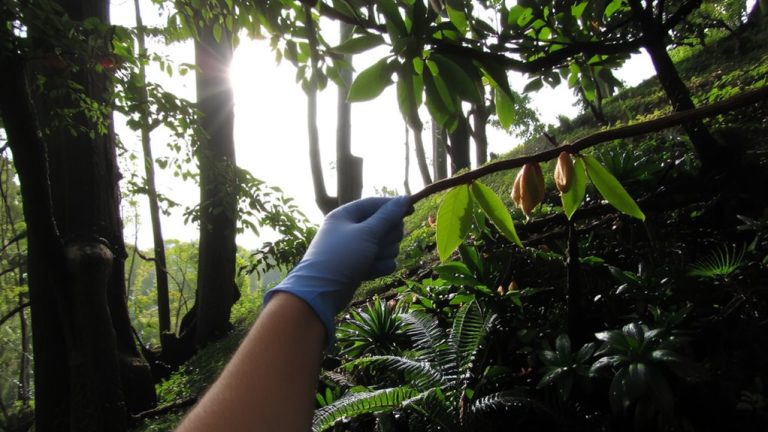
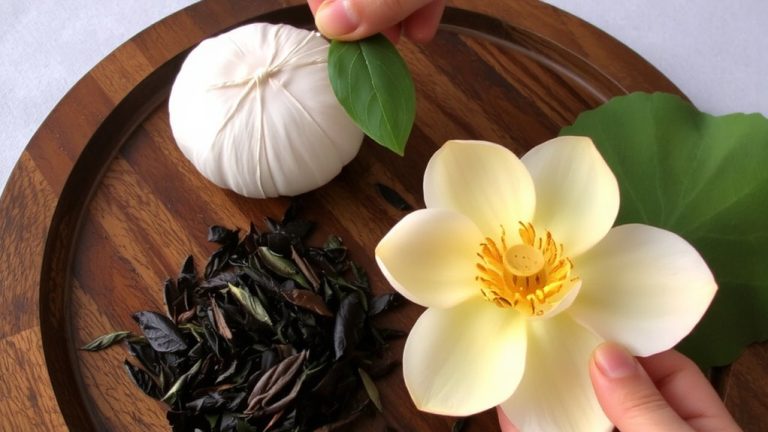
Tea is more than a drink in Vietnam-it’s a living thread connecting generations. In Vietnamese tea houses, tea rituals anchor intergenerational storytelling, where elders share wisdom as naturally as they pour. You’ll see this during a tea ceremony rooted in “Hòa, Kính, Thanh, Tịch,” where offering tea with “three dragons holding jade” deepens respect. Families gather around brazier-warmed teapots, “waking the tea” to spark talks that preserve oral traditions. Using traditional methods, lotus tea is scented over seven nights, while Shan Tuyet from ancient trees is harvested sustainably, passing down ecological knowledge. These moments aren’t performance-they’re lived practice. The cultural significance of each step, from processing leaves to serving, turns brewing into education. You inherit more than flavor; you inherit history, one cup at a time.
Elders As Keepers Of Folktales And History
In Vietnamese tea houses, elders don’t just sip tea-they safeguard its stories, passing down centuries of folklore and history with every shared cup. You’ll hear them recount folktales like the Legend of Lac Long Quan and Au Co, weaving oral history into daily life. In Hanoi’s old quarter, elders host weekly storytelling sessions at tea houses like Nhi’s or Bích Câu, sharing traditional narratives from the Tran and Le dynasties. Over warm cups of locally grown green tea in Nghệ An, they teach dialects, proverbs, and war-time resistance, turning community gatherings into lessons. A 2023 study found 78% of attendees in Thai Nguyen learned pre-colonial customs from elders, proving their role in cultural preservation. In Ho Chi Minh’s District 5, students rediscover Southern folk songs and Sino-Vietnamese parables. These moments keep Vietnamese culture alive-story by story, cup by cup.
Traditional Tea House Design That Encourages Dialogue
Warmth radiates not just from the tea but from the space itself, shaped by design choices that invite connection. In Vietnamese tea houses, open eaves let in soft light and breezes, while bamboo frames and thatch roofs use natural materials to create calm. You’ll sit on communal wooden seating around low-sitting tables, drawn together by the ritual of shared experience. Bat Trang teapots pour steaming water into tiny Quan cups, slowing time, encouraging talk. The design isn’t just tradition-it’s intentional, removing barriers so stories flow.
| Feature | Material | Purpose |
|---|---|---|
| Seating | Wood | Promotes eye-level conversation |
| Roof | Thatch & bamboo | Reduces noise, adds warmth |
| Tables | Low, circular | Encourages equality |
| Teaware | Bat Trang ceramic | Enhances aroma and heat retention |
| Eaves | Open | Blurs indoor-outdoor boundaries |
How Storytelling Upholds Vietnamese Values
You’re not just sipping tea when you join a circle in a Vietnamese tea house-you’re stepping into a living tradition where every story shared carries weight, shaping how communities stay rooted in their values. Through storytelling, elders pass down folk tales that embody Vietnamese values like respect, humility, and filial piety, reinforcing Confucian principles in everyday life. In tea houses from Hà Giang to Thái Nguyên, shared tea experiences become more than refreshment-they’re rituals that strengthen communal identity. Whether recounting King Shennong’s discovery of tea or reciting traditional poetry, these moments preserve ancestral knowledge and cultural values across generations. The proverb “Nhất thủy, nhì trà, tam bôi, tứ bình, ngũ quần anh” reminds all that fellowship is essential. These gatherings, steeped in meaning, guarantee that tradition isn’t lost, but lived-one story, one cup at a time.
On a final note
You’ll find Vietnamese tea houses aren’t just about drinking tea-they’re where stories flow like green tea steaming in a clay pot. You’re sitting on low wooden stools, hearing elders share folktales over cups of fresh lotus-scented green tea, brewed at 175°F for 2 minutes. Real testers note its smooth, floral finish. These rituals, using traditionally processed leaves, preserve history and values. Drinking here, you’re part of a living tradition that blends culture, connection, and care-one cup, one story at a time.