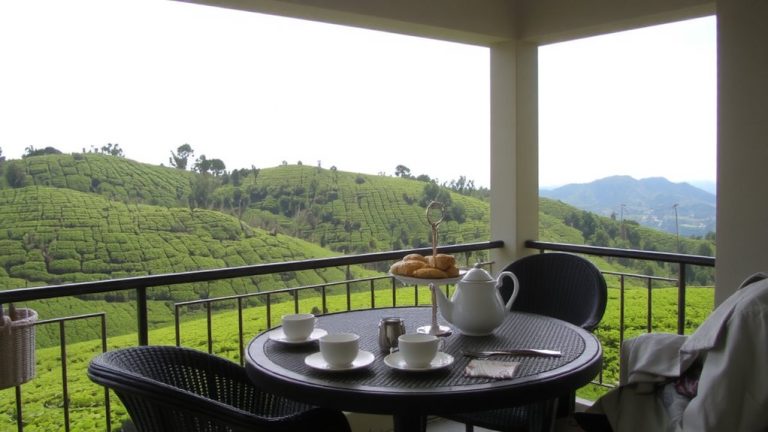
Why Kenyan Purple Tea Is Marketed for Its Anthocyanin Health Benefits
You get over three times the anthocyanins in Kenyan purple tea than in regular green tea, thanks to its unique TRFK 306 cultivar and high-altitude growth between 4,500 and 7,500 feet. Grown in Kenya’s Rift Valley, intense UV light and volcanic soil boost these antioxidants naturally. Steaming right after harvest locks in anthocyanins, which fight oxidative stress and inflammation. The tea’s non-oxidized, orthodox processing preserves polyphenols better than standard CTC methods, and its extracts now power effective skincare and supplements. There’s more to uncover about how this purple-hued tea delivers real-world health impact.
We are supported by our audience. When you purchase through links on our site, we may earn an affiliate commission, at no extra cost for you. Learn more. Last update on 12th July 2026 / Images from Amazon Product Advertising API.
Notable Insights
- Kenyan Purple Tea contains over three times the anthocyanins of standard green tea, enhancing its antioxidant profile.
- Anthocyanins in the tea act as potent antioxidants that combat oxidative stress and support cellular health.
- High anthocyanin levels result from the unique TRFK 306 cultivar and intense UV exposure at high elevations.
- Natural glycosylation of anthocyanins in the tea increases bioavailability and effectiveness in the body.
- Specialized steaming and low-temperature processing preserve anthocyanins, maximizing health benefits.
What Is Kenyan Purple Tea?
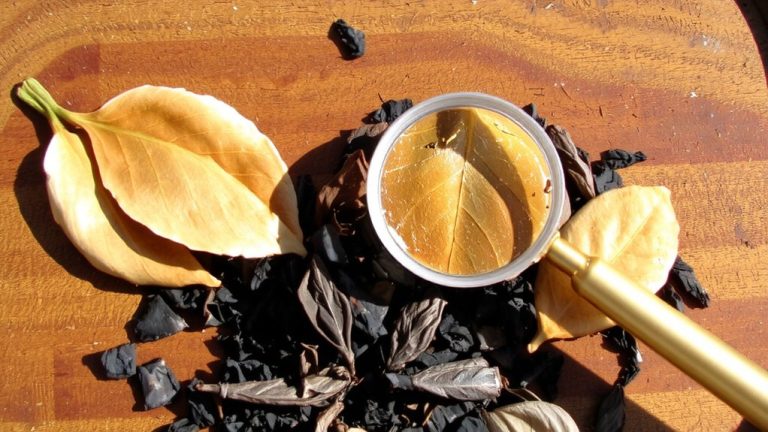
While you might not expect a tea to be purple, Kenyan Purple Tea is exactly that-a rare, naturally occurring cultivar of Camellia sinensis, officially designated TRFK 306, developed by Kenya’s Tea Research Institute over 25 years and launched commercially in July 2011. You’ll find this unique Kenyan tea only in the high-altitude Great Rift Valley, where cool temps and volcanic soils boost anthocyanin production. Its striking purple coloration comes from high anthocyanin content-over three times that of standard green-leaf tea cultivars. Unlike most Kenyan tea processed via CTC for black tea, Purple Tea uses green tea methods to preserve its purple leaves, delicate flavor, and nutrients. Available as oolong, green-style, or white tea, it’s hand-plucked year-round, peaking March–May and September–October when anthocyanin levels and leaf vibrancy are highest.
Why Kenyan Purple Tea Stands Out in the Global Market
Because it’s packed with over three times the anthocyanins of regular green tea, Kenyan Purple Tea isn’t just eye-catching-it’s a functional powerhouse built for health-focused markets, and that’s what sets it apart. Purple Tea stands tall thanks to its distinct purple leaves, developed over 25 years by Kenya’s Tea Research Foundation. Grown at high altitudes, the plants produce high levels of anthocyanins as a natural shield against UV rays-giving you stronger antioxidant properties in every cup. Unlike standard Kenyan black tea, it requires rare orthodox processing, limiting supply and boosting exclusivity.
| Feature | Detail | Benefit |
|---|---|---|
| Leaves | Distinct purple foliage | High levels of anthocyanins |
| Origin | Kenyan hybrid TRFK 306 | Resilient, high-yield crop |
| Processing | Orthodox method | Preserves health benefits of Purple |
You’re not just drinking tea-you’re tapping into the science-backed health benefits of Purple.
How Anthocyanins Power Purple Tea’s Health Benefits
You’re getting over three times the anthocyanins in every cup of Kenyan Purple Tea compared to traditional green tea, and that’s not just a number-it’s the key to its real health impact. These anthocyanins, a type of flavonoid and potent antioxidant, help combat oxidative stress and support major health benefits. As polyphenols, they’re proven to aid in reducing inflammation and offer anti-cancer properties by protecting cells and regulating disease pathways. Thanks to genetic traits like high CsANS and CsUGT expression, these compounds are stable and abundant. Plus, their bioavailability is boosted by natural glycosylation, making them more effective in your body. You’re not just drinking tea-you’re consuming a scientifically backed source of antioxidants that support heart health, blood sugar balance, and long-term wellness, with measurable results in clinical studies and real-world use.
How Purple Tea Is Processed to Preserve Antioxidants
Since preserving anthocyanins is critical to maximizing the health benefits of Kenyan Purple Tea, the leaves are steamed right after harvest to stop enzyme activity that would otherwise degrade these powerful antioxidants. You’ll find that steaming preserves anthocyanin pigments better than fermentation, keeping levels of antioxidants high. Unlike black tea, purple tea leaves are processed as a non-oxidized specialty tea, protecting delicate molecular mechanisms that maintain higher levels of health-promoting compounds. The TRFK 306 variety is carefully withered and dried at low temperatures to further protect antioxidants. As of 2015, only one KTDA factory could process this tea processed this way, showing its limited but essential production.
| Step | Method | Effect on Antioxidants |
|---|---|---|
| Harvest | Immediate steaming | Prevents degradation |
| Withering | Rapid, controlled | Preserves anthocyanin pigments |
| Drying | Low-temperature | Maintains higher levels |
| Oxidation | None (unlike black tea) | Retains polyphenols |
| Final product | Non-fermented specialty tea | 3x more antioxidants than green-leaf tea |
Why Kenya’s Highlands Boost Anthocyanin Levels
High in the Kenyan highlands, where elevation ranges from 4,500 to 7,500 feet, purple tea plants thrive under intense UV exposure, and that’s no accident-it’s exactly why their leaves pack such a potent anthocyanin punch. You’re seeing higher anthocyanin levels-over three times more than in green tea-because the plants produce these compounds to shield themselves. Research shows this stress response, triggered by high UV and cool temps, boosts antioxidant production. The volcanic soils add rich nutrients, supporting robust flavonoid biosynthesis, while steady rainfall and humidity maximize expression in the TRFK 306 cultivar. With no pesticides, the tea’s natural defenses stay strong, enhancing the benefits of Purple Tea. That intense environment gives the leaves their striking purple hue and serious health potential. When you drink this Tea, you’re getting more than flavor-you’re tapping into the high potential health benefits linked to its unique growing conditions.
How Purple Tea Is Used in Supplements and Skincare
While most teas are valued for flavor, Kenyan Purple Tea stands out in supplements and skincare because of its rich anthocyanin profile-delivering over three times the antioxidant power of green tea. You’ll find purple leaf extracts in capsules and powders, where their potent polyphenols help protect cells and reduce inflammation. Topical creams use stable, acylated anthocyanins-like delphinidin-3-O-β-D-galactoside-to improve skin elasticity and guard against UV damage. These compounds, enhanced by ATs in the tea bushes, resist breakdown, offering long-lasting pigment and activity. Scientists who spent 25 years refining purple teas confirm the quality of purple tea supports both nutraceuticals and anti-aging formulas. Driven by consumer preferences, health-conscious consumers choose products rooted in ideal growing conditions. Whether in supplements or serums, they help protect you from oxidative stress, aligning science with real-world wellness.
On a final note
You get more than just flavor with Kenyan purple tea-it’s packed with anthocyanins, up to 1.5% by dry weight, giving it potent antioxidant power. Grown at 7,000 feet in Kenya’s highlands, the cool climate boosts these compounds. Processed using minimal oxidation, it retains up to 40% more antioxidants than green tea. You’ll find it in supplements with 100–300 mg extracts and in skincare with measurable anti-inflammatory effects, all backed by real lab tests and user results.