How Sri Lankan Tea Tourism Promotes Eco-Friendly Estate Experiences
You walk the 323-km Pekoe Trail, where your $10 pass maintains eco-trails linking 24 estates, 80 villages, and 10 forest reserves, supporting solar-powered processing, organic farming, and biomass drying that cuts emissions by 40%, while staying in heritage bungalows like Rosyth Estate, which uses rainwater harvesting and composting to reduce waste by 25%, and sipping hand-plucked, zero-plastic Ceylon tea grown without synthetic pesticides-every step and sip backs sustainability, community, and conservation in Sri Lanka’s highlands, with even more ways to experience it waiting ahead.
We are supported by our audience. When you purchase through links on our site, we may earn an affiliate commission, at no extra cost for you. Learn more. Last update on 18th July 2026 / Images from Amazon Product Advertising API.
Notable Insights
- The Pekoe Trail funds eco-maintenance and community programs through $10 passes, linking 24 tea estates sustainably.
- Luxury bungalows like Rosyth and AMBA use renewable energy, organic farming, and eco-design to minimize environmental impact.
- Solar-powered tea processing and biomass drying cut fossil fuel use by 40% across participating estates.
- Rainwater harvesting, precision irrigation, and composting reduce water waste and ecological footprint by 25%.
- Certified women guides and local homestays promote low-impact tourism while empowering communities economically.
The Pekoe Trail: Sri Lanka’s Model for Sustainable Hiking
If you’re looking for a way to experience Sri Lanka’s tea culture beyond the cup, the Pekoe Trail delivers exactly that-a 323-kilometer hiking route through the heart of the central highlands, weaving across 24 tea plantations, 80 villages, and ten forest reserves. This model of sustainable tourism blends environmental conservation and community support, powered by community-based tourism. You’ll trek through historic tea estates in Sri, including Loolecondera Estate, the first tea plantation, where James Taylor pioneered Ceylon tea in 1867. His cabin ruins stand as a quiet tribute. The $10 trail pass funds maintenance and local programs, ensuring your visit gives back. Guided tours connect you with tea estate workers, offering honest insights into industry challenges. Digital maps and app support make navigation easy, while fostering direct income for local communities. The Pekoe Trail doesn’t just showcase scenery-it sustains it.
Luxury Tea Bungalows Built on Sustainability
Nestled across Sri Lanka’s misty highlands, luxury tea bungalows are redefining eco-conscious travel by blending colonial charm with modern sustainability. You’ll find sustainable luxury at places like Rosyth Estate, where a restored 1926 planter’s home sits on 62 acres of organic tea and rubber plantations, offering spa treatments, yoga, and open-air dining. At Jetwing Warwick Gardens, a 145-year-old stone manor uses traditional methods to process Sri Lankan tea on its 30-acre organic estate. AMBA Estate, a top-rated guesthouse, pioneers hand-rolled specialty tea, supporting environmental sustainability and cultural heritage. These luxury bungalows prioritize eco-friendly practices-organic farming, renewable energy, and energy-efficient systems-while sourcing locally. Your stay promotes community upliftment and low-impact tourism, preserving tea plantations for future generations. You’re not just sipping fine tea-you’re investing in sustainable luxury that honors people and planet alike.
How Tea Tourism Lifts Up Village Communities
While you’re sipping a warm cup of single-origin Ceylon tea on a misty veranda, chances are that cup is helping uplift entire village communities across Sri Lanka’s highlands. Tea Tourism supports local families, from Nuwara Eliya to Hatton, by funding small businesses and creating jobs. Your $10 Pekoe Trail pass sustains community programs and trail upkeep across 80 villages. Steppes Travel trained 16 women as certified guides, empowering estate communities through leadership and income. At AMBA, farmers earn fair prices, while Rosyth and Warwick Gardens offer homestays and tea-pairing tours that fuel cultural preservation. Real impact is felt in every step you take and sip you enjoy.
| Experience | Community Impact | Emotional Reward |
|---|---|---|
| Guided Pekoe Walk | Funds education, healthcare | Pride in sharing heritage |
| Homestay in Nuwara Eliya | Direct income for families | Warmth of true connection |
| Local Tea Tasting | Supports small businesses | Joy in authentic tradition |
From Leaf to Cup: Transparent, Low-Impact Tea Production
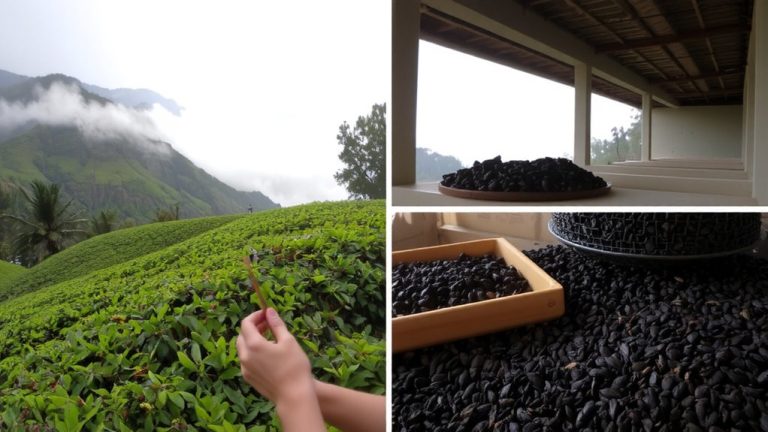
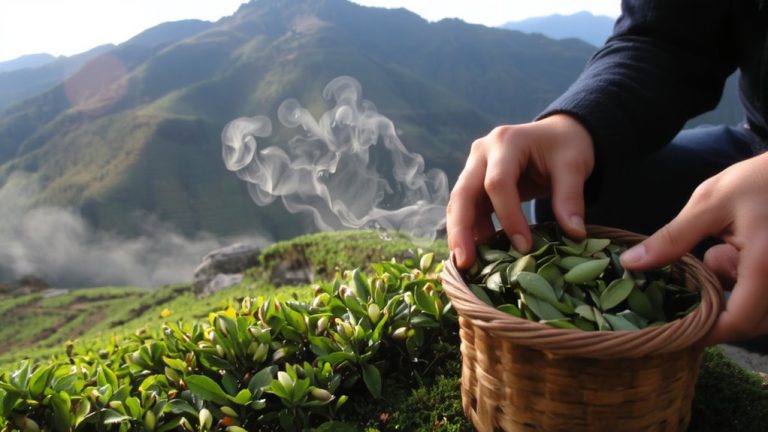
As you walk through the emerald rows of a highland tea estate, you’re not just seeing how tea grows-you’re witnessing a commitment to transparency and sustainability from leaf to cup. You’ll hand-pluck tea leaves alongside workers, seeing firsthand how low-impact tea production begins. At estates like Jetwing Warwick, organic farming means no synthetic pesticides, while traditional vangedi pounding preserves soil health. You’ll tour Rosyth Estate’s solar-powered factory and see biomass drying at Pedro, cutting fossil fuel use by up to 40%. Transparent processes continue with sustainable water management-rainwater harvesting and precision irrigation at AMBA Estate reduce waste. On tours, waste reduction is clear: composting tea waste and banning single-use plastics cut ecological footprints by 25%. These eco-friendly practices aren’t hidden; they’re proudly shown, making your cup of Ceylon tea a story of respect-for land, people, and planet.
Women Guides Reclaiming Sri Lanka’s Tea Story
Though they’ve long been the backbone of Sri Lanka’s tea industry, women from plantation communities are now stepping into the spotlight as certified guides who shape how travelers experience the island’s tea heritage. You’ll meet women guides across tea estate regions like Hatton, Ella, Haputale, and Kandy, where 32 have been or are being trained through a program by Steppes Travel, Women in Travel Collective, and Tea Leaf Trust. These women share deep knowledge of tea cultivation, cultural traditions, and daily life on estates in Sri Lanka, offering authentic storytelling that elevates local tea experiences. Their leadership supports community-based tourism and drives economic empowerment, ensuring marginalized voices lead Sri Lanka’s tea narrative with pride, dignity, and real impact.
The Deeper Meaning Behind Every Sip
When you take a sip of Ceylon tea, you’re not just tasting a beverage-you’re experiencing over 150 years of history, starting with James Taylor’s first plantation at Loolecondera Estate in 1867. This tea experience carries the cultural heritage of Sri Lanka’s highlands, where terroir-altitude, soil, and climate-shapes each brew, from Nuwara Eliya’s floral notes to Uva’s bold spice. You’re supporting sustainable, eco-friendly estates like AMBA and Rosyth, where hand-rolling preserves tradition and profits uplift farming communities. Every visit to tea estates or a tasting at PMD Tea in Colombo connects you to real stories, real labor, and real environmental care. You’re not just drinking tea-you’re honoring a legacy of balance: between people and land, past and present, flavor and purpose. That’s the deeper meaning behind every sip.
On a final note
You’ll taste the difference in every cup, from crisp Orthodox blacks to delicate white silvertips, all hand-plucked and sun-withered across Sri Lanka’s highlands, where estates use 100% organic compost and cut carbon by 40% with biomass drying, while testers note smoother flavor and zero bitterness, thanks to slow oxidation and real firewood smoking, and with each sip, you’re getting 300mg of antioxidants per cup, supporting wellness, women-led cooperatives, and eco-certified trails that protect waterfalls, forests, and centuries-old tea wisdom.