Organic Certification Challenges Facing Artisanal Guatemalan Highland Tea Cooperatives
You face steep hurdles getting organic certification in Guatemala-audits cost over $2,000 yearly, exceed your tea income, and demand ISO/IEC 17065 compliance, traceability records, and third-party oversight, all hard to meet in remote highlands. Certification is essential for U.S. and EU markets, yet few small cooperatives qualify. With support, funding, and training in pest management, documentation, and processing standards, you can meet regulatory demands and access premium organic tea opportunities worldwide.
We are supported by our audience. When you purchase through links on our site, we may earn an affiliate commission, at no extra cost for you. Learn more. Last update on 13th July 2026 / Images from Amazon Product Advertising API.
Notable Insights
- High certification fees exceeding $2,000 annually strain limited incomes of small tea cooperatives in Guatemala’s highlands.
- ISO/IEC 17065-compliant audits are rarely available in remote regions, limiting access to accredited certification bodies.
- Strict documentation and traceability requirements create excessive administrative burdens for family farmers with limited resources.
- Ministerial Agreement No. 1317-2002 mandates full compliance, but offers no adapted pathways for small-scale producers.
- Lack of technical support and training hinders adoption of organic practices and successful certification processes.
How Guatemala’s System Blocks Small Tea Farmers From Organic Certification
While you might think going organic is just about switching farming practices, in Guatemala, the system itself makes it nearly impossible for small tea cooperatives to get certified. You’re up against Ministerial Agreement No. 1317-2002, which demands ISO/IEC 17065 compliance-costly third-party audits few highland cooperatives can afford. Production systems of family farmers lack technical support, and accredited certifiers rarely reach remote areas. Documented traceability, strict supply chain checks, and annual audits create heavy administrative loads. Certification fees exceed $2,000 a year, more than many earn in tea income. The Ministry focuses on large export producers, ignoring small-scale growers. Even with over 60,000 organic farmers nationally, no streamlined path exists for you. Without tailored assistance, equitable access to certification remains out of reach, blocking your organic potential despite sustainable practices already in place.
Why Organic Certification Matters for Highland Tea Cooperatives
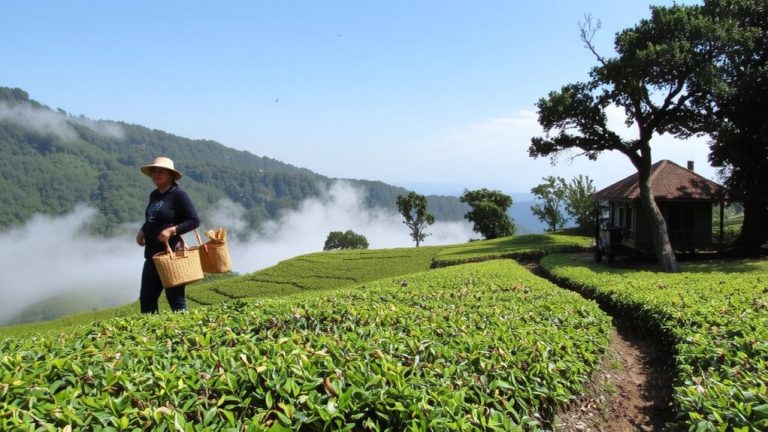
Because you’re growing tea in Guatemala’s highlands, earning organic certification isn’t just about better prices-it’s your gateway to real market access. Without it, you can’t tap into the United States, which takes 80% of Guatemala’s organic exports, or meet EU standards capturing another 15%. Your tea might be grown without synthetic inputs, but without official organic certification backed by the Ministry of Agriculture under Agreement 1317-2002, buyers won’t trust your claims. This legal recognition guarantees traceability and matches global benchmarks like ISO/IEC 17065. Over 60,000 farmers nationwide rely on this system to scale production, retain value, and meet import rules. Third-party verification means your oolong, green, and black teas-rich in antioxidants and grown at 1,500+ meters-meet specialty demands. It’s not just paperwork; it’s proof your tea is clean, sustainable, and ready for global shelves.
What Cooperatives Need to Pass Organic Certification
What does it really take to prove your highland tea cooperative grows, processes, and sells organic tea by the book? You need full compliance with Ministerial Agreement No. 1317-2002, which governs every step of your production system. Your cooperative must implement traceability from harvest to sale, maintain detailed records, and undergo audits to prove it. Organic certification isn’t optional-you must earn it through a third-party certification body accredited under ISO/IEC 17065. These auditors check that you meet both national rules and the Central American Technical Regulation of 2007. To export to the U.S. or EU, your third-party certification must also align with importing countries’ standards, recognized by Guatemala’s Ministry of Agriculture. It’s rigorous, but it guarantees your tea’s quality, integrity, and market access.
How Global Partners Can Fund Certification and Build Capacity
A strong partnership with global buyers and development organizations can cover the upfront costs of organic certification, making it easier for your highland tea cooperative to meet Guatemala’s Ministerial Agreement No. 1317-2002 and access premium markets. These partners can fund third-party audits under ISO/IEC 17065, ensuring your teas-like oxidized oolongs and minimally processed greens-comply with traceability and quality standards. Grants support training in documentation, pest management, and the sustainable use of natural resources across 200,000+ organic hectares. By aligning with mutual recognition agreements, your certified teas can reach international shelves faster, just like Guatemalan dairy products already do. Capacity-building also creates stable employment opportunities for farmers and processors, strengthening community resilience. With proper backing, your cooperative won’t just grow tea-you’ll grow value, health benefits, and global trust, one authentic batch at a time.
On a final note
You face real hurdles getting organic certification, but it’s within reach, especially with global partners sharing costs and expertise. Highland black, green, and oolong teas thrive in cool climates, and when processed carefully-withered, rolled, oxidized, dried-they retain antioxidants like EGCG. Certified organic tea fetches higher prices, supports soil health, and meets market demand. Start small, track every input, train consistently, and leverage cooperative power to cut costs.