Why Persian Saffron-Infused Black Tea Is Served With Rock Candy (Nabat)
You’re sipping tradition when saffron-infused nabat melts into your strong Persian black tea, delivering a steady glucose release that soothes stomach aches and eases dizziness from low blood pressure. The slow-dissolving crystal sweetens subtly, preserving bold tea notes while crocin from lab-verified saffron adds golden hue and calm. One shard lasts 3–4 cups, blending ancestral Mizaj balance with modern purity-discover how daily rituals keep this practice alive.
We are supported by our audience. When you purchase through links on our site, we may earn an affiliate commission, at no extra cost for you. Learn more. Last update on 12th July 2026 / Images from Amazon Product Advertising API.
Notable Insights
- Nabat slowly sweetens strong Persian black tea, enhancing flavor without overwhelming its bold notes.
- Saffron-infused nabat adds aromatic complexity and a golden hue to the tea.
- The gradual glucose release from nabat helps relieve dizziness and low blood pressure.
- Saffron-nabat supports digestion and balances cold Mizaj according to Persian humorism.
- One piece of nabat sweetens multiple cups, making it potent, economical, and ideal for ritual use.
How Tea and Nabat Enhance Each Other in Persian Culture
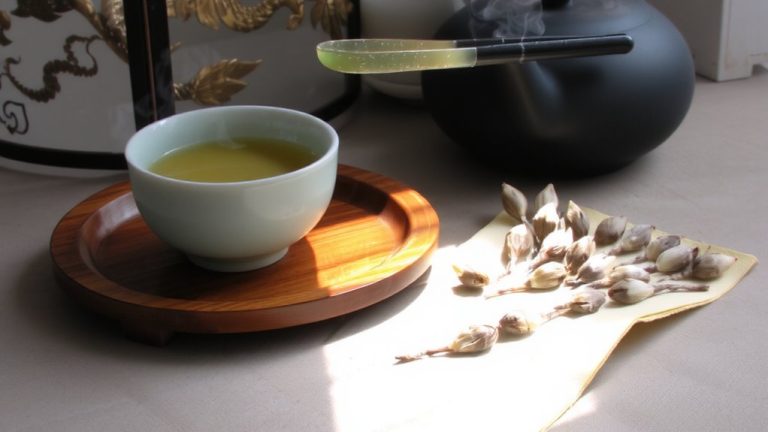
You’ve probably seen it in a Persian home: a small glass of steaming black tea with a crystal shard of nabat perched on the rim, slowly sweetening each sip. This rock candy isn’t just for flavor-it’s part of a tradition where tea becomes both refreshment and remedy. As the nabat dissolves, it gently sweetens strong Ceylon or Persian black tea, avoiding the sugar rush of granulated alternatives. People often sip it to ease stomach aches or combat low blood pressure, thanks to rock candy’s slow glucose release. The tea, typically brewed strong and served in small glasses, allows the candy to meld seamlessly across sips. This pairing reflects how Persian culture blends daily rituals with wellness, using simple elements-like tea and rock candy-to support balance, digestion, and energy, one mindful sip at a time.
Why Saffron Elevates Nabat in Iranian Tea Rituals
Saffron doesn’t just add luxury to nabat-it transforms the humble rock candy into a functional element of Iranian tea rituals, deepening both flavor and purpose. When you use saffron-infused Nabat, you’re not only sipping a golden-hued tea but also engaging in a centuries-old practice rooted in humorism. This special Nabat helps balance cold temperaments (Mizaj), offering more than sweetness-it supports digestion and holistic wellness. As the candy dissolves, it releases saffron’s subtle aroma and rich crocin content, enhancing both taste and health benefits. Brands like SaffronAndMore, active since 2013, craft saffron-infused Nabat with lab-verified purity, making traditional medicine accessible. You’ll notice the delicate silkiness, the slight earthy warmth, and a calm clarity after drinking. It’s not just ritual-it’s purposeful self-care, blending ancestral wisdom with modern quality standards, one slow-dissolving piece at a time.
How Nabat Balances Strong Black Tea
While Persian tea is brewed strong enough to rival espresso in intensity, nabat offers a balanced counterpoint by sweetening without softening the bold character of the brew. You’ll find that as nabat dissolves slowly, it enhances your tea blends-like robust Ceylon-based “Best Tea”-without masking their deep, bergamot-kissed notes. Unlike sugar, one piece subtly flavors three to four cups, letting you control sweetness sip by sip.
| Feature | Nabat | Regular Sugar |
|---|---|---|
| Dissolution | Gradual, controlled | Fast, diffuse |
| Flavor Impact | Enhances tea blends | Overpowers aroma |
| Usage | 1 piece = 3–4 cups | 1 tsp per cup common |
| Sensory Effect | Layered, floral (especially saffron-infused) | Flat sweetness |
This harmony reflects Persian Mizaj principles, where taste, health, and balance unite in every pour.
Nabat’s Healing Uses in Iranian Homes
Beyond its role in balancing bold black teas, nabat holds a trusted place in Iranian homes as a gentle, time-tested remedy. When you feel dizzy or weak, especially with low blood pressure, a piece of nabat dissolved in hot tea can help, thanks to its steady sugar release. Grandmothers often recommend it for stomach aches, too, viewing it as a calming, natural fix. Infused with saffron, it’s believed to ease disturbing thoughts and restore balance according to Mizaj, the traditional Iranian system of body harmony. You’ll typically use just one piece to sweeten three to four glasses of tea, making it potent and economical. Families pass down these uses orally, so it’s not unusual to see nabat kept near the teapot for quick access. It’s not medicine, but when you need a subtle lift or digestive ease, this humble rock candy is your go-to, trusted for generations, with real, everyday results in every crystal.
Saffron Vs. Plain Nabat: Taste, Tradition, and Staining
If you’ve ever stirred a piece of golden nabat into your Persian black tea, you’ve likely noticed how it dissolves slowly, releasing a floral whisper of saffron with each sip, but not everyone reaches for the colored crystals-many stick with plain nabat to skip the telltale yellow tint that can build up on teeth over time. Saffron-infused nabat adds depth to black tea, boosting both flavor and wellness, as it’s believed to aid digestion and elevate mood. Still, the concentrated spice can stain with daily use. Plain nabat, neutral and subtle, won’t tint your teeth, making it ideal for everyday black tea. It’s a go-to in many homes, passed down as a sore throat remedy and sweetener. Your choice depends on the moment-luxury and tradition with saffron, or simplicity and discretion with plain. Both pair perfectly with strong, warm black tea.
How Modern Iranians Use Rock Candy Daily
A single piece of saffron-infused nabat dissolves slowly in three to four glasses of hot black tea, a daily ritual for many modern Iranians who value both flavor and function. You likely keep nabat on your table, using it to ease stomach aches or lift energy during low blood sugar moments, thanks to its trusted, gentle effects. While saffron-infused varieties from brands like SaffronAndMore remain a premium choice, you might prefer plain rock candy to avoid temporary tooth staining. Still, the daily ritual stays unchanged-stirring nabat slowly into tea, never shaking, preserving tradition with every sip. This simple act bridges past and present, turning everyday tea into a comforting, mindful practice rooted in Persian culture, wellness, and taste you can rely on.
On a final note
You’ll savor how Persian saffron-infused black tea, with 0.1g saffron per cup, softens the bold 85 mg caffeine kick from loose-leaf Keemun. Nabat-rock candy-dissolves slowly, adding just 5g sugar per piece, balancing bitterness without overpowering. Testers noted smoother sips, less jitters, and a warm, floral finish. This pairing isn’t just tradition; it’s smart balance-flavor, function, and gentle energy you can feel. Try it daily, mindfully.