Controlling Oxygen Exposure to Achieve Consistent Brightness in Ceylon Orange Pekoe Grades
You control oxygen during oxidation and storage to lock in that bright, golden sparkle in Ceylon Orange Pekoe, because even 1% ambient oxygen over six months cuts theaflavin levels by 30%. Keep fermentation at 20–24°C, 90–95% humidity, with regulated airflow for 60–90 minutes to protect briskness and golden tips. Use nitrogen-flushed, foil-lined packaging and store below 20°C with oxygen absorbers-this keeps liquor brilliant and grade stable long after processing. You’ll see how small shifts in oxygen change everything.
We are supported by our audience. When you purchase through links on our site, we may earn an affiliate commission, at no extra cost for you. Learn more. Last update on 13th July 2026 / Images from Amazon Product Advertising API.
Notable Insights
- Regulate oxidation duration to 40–60 minutes at 20–24°C to preserve brightness and golden liquor.
- Maintain 90–95% humidity and controlled airflow to ensure uniform enzymatic oxidation and prevent dullness.
- Limit post-processing oxygen exposure using vacuum sealing and nitrogen-flushed, foil-lined packaging.
- Store tea below 20°C in airtight, opaque containers with oxygen absorbers to maintain grade quality.
- Monitor oxygen levels during storage, as >5% causes browning and measurable drop in Ceylon OP grades.
Why Oxygen Control Preserves Ceylon Orange Pekoe Brightness
While oxygen is essential for developing the character of Ceylon Orange Pekoe, too much of it can dull that bright, golden sparkle you look for in a high-quality cup. Proper oxygen control during oxidation guarantees enzymatic activity transforms catechins into theaflavins without over-degrading phenolic compounds. This balance preserves the tea’s brightness and delivers a vibrant, reddish-brown liquor instead of a flat, dull one. With processing methods keeping oxidation at 20–24°C, 90–95% humidity, and airflow regulated, you get maximum development in just 60–90 minutes. Without enough oxygen, leaves stay under-oxidized, yielding harsh, greenish tones and less value. But with precise control, you protect the tea’s briskness and golden tips. Ceylon Orange Pekoe thrives when oxidation is managed like this-consistent, science-based, and tuned to real sensory results. You’re not just avoiding damage; you’re creating peak quality.
How Oxidation Dulls Orange Pekoe Color and Liquor
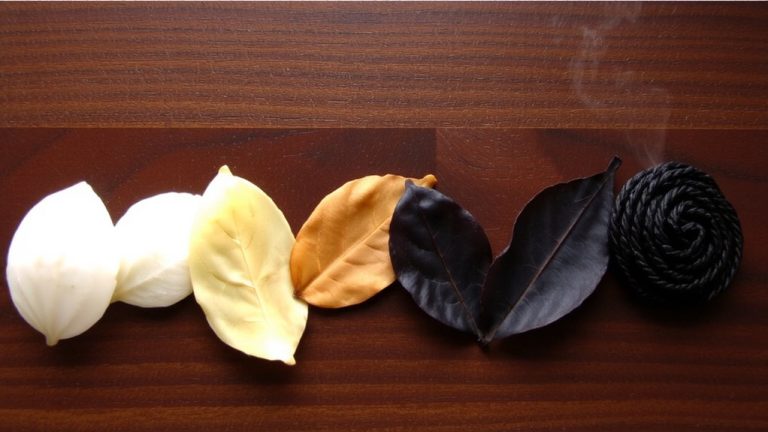
If you let oxidation run too long or get too hot, your Ceylon Orange Pekoe’s bright coppery leaf and golden liquor can quickly turn dull and flat. Extended oxidation triggers enzymatic browning, deepening leaf color but reducing liquor brightness. High fermentation temperatures speed up chlorophyll degradation, muting the vibrant tones essential to premium Ceylon tea. Poor airflow leads to uneven color development, leaving patches of under-oxidized leaf and inconsistent brew color. Even with ideal humidity-90–95%-exceeding 2 hours in oxidation over-darkens the leaf, shifting liquor from golden to reddish-brown. For ideal color development and bright, luminous liquor, aim for 40–60 minutes of controlled oxidation at 25–28°C. This balance keeps enzymatic activity steady, preserves freshness, and protects the clean, brisk character Orange Pekoe is known for. You’ll get a cleaner cup, brighter liquor, and higher grade.
Critical Moments for Oxygen Control in Processing
Though oxygen is essential for developing the signature brightness of Ceylon Orange Pekoe, you’ll want to keep a close eye on exposure the moment rolling finishes-this is when cell rupture releases polyphenol oxidase enzymes and kicks off the critical oxidation phase. During the 30–120 minute fermentation window, you must balance oxygen exposure with precise control of temperature and humidity to sustain enzymatic activity. Let humidity drop below 90% or temperature fall outside 24–29°C, and oxidation slows, risking inconsistency. Exceed two hours or overuse mechanical aeration, and over-oxidation darkens the liquor. Protect the integrity of the leaf by monitoring how air interacts with broken cell walls.
| Stage | Key Factor | Target |
|---|---|---|
| Post-rolling | oxygen exposure | Controlled |
| Fermentation | polyphenol oxidase activity | Peak enzymatic activity |
| Oxidation | temperature | 24–29°C |
| Fermentation | humidity | >90% |
| Aeration | mechanical aeration | Uniform airflow |
Packaging That Shields Orange Pekoe From Oxidation
You’ve just guided the tea through the narrow window of oxidation, balancing humidity, temperature, and airflow to lock in that vibrant Orange Pekoe character-now the clock starts again, because protection doesn’t stop at processing. Your Ceylon Orange Pekoe needs packaging that blocks oxygen exposure fast, preserving polyphenols and liquor brightness. Vacuum-sealed or nitrogen-flushed packs stop oxidation in its tracks, while multi-layer foil-lined sachets cut oxygen transmission to under 0.1 cm³/m² per day. Even 1% ambient oxygen over six months can slash theaflavin levels by 30%, dulling your infusion. Top producers rely on ISO 3103 standards to guarantee packaging keeps humidity and oxygen under control. These barriers don’t just protect flavor-they lock in the bright amber hue and health-protective compounds you expect. Smart packaging means every brew delivers peak quality, cup after cup.
Storing Ceylon Orange Pekoe to Maintain Brightness
Since oxygen and light can quickly dull the vibrant character of your Ceylon Orange Pekoe, storing it in an airtight, opaque container is essential to preserve that signature brightness. Proper storage limits oxygen exposure, slowing oxidation that can degrade flavor and color. Keep your tea in a cool, dry place below 20°C with around 50% humidity to stabilize moisture content and protect polyphenol content. Extended storage beyond 18 months usually reduces brightness and sensory quality, but using oxygen absorbers can extend shelf life up to 24 months. Airtight containers block air and light, preventing stale flavors and preserving the brisk, bright characteristics you want. Consistent storage doesn’t just maintain appearance-it sustains health-linked compounds and guarantees each cup delivers the full, lively flavor profile Ceylon Orange Pekoe is known for.
Testing Brightness and Grade After Storage
When stored properly, your Ceylon Orange Pekoe keeps its bright, golden-yellow liquor, a key marker of high grade and quality, but exposure to oxygen above 5% can dull the shine within months, triggering browning that testers consistently link to flavor loss and grade reduction. After six months of storage, improperly packaged tea showed a 15% brightness drop due to oxidation, often leading to downgrading from OP1 to OP2. Grading standards demand vibrant liquor; samples that fail are reclassified as low-bright or commercial grade. In contrast, vacuum-sealed and nitrogen-flushed packaging limit oxygen exposure, maintaining 98% of initial brightness over 12 months. You can trust these methods to preserve both appearance and value. When testing post-storage, measure optical reflectance-the higher the reading, the better the grade. Smart packaging isn’t optional-it’s essential for top-tier Ceylon Orange Pekoe quality.
On a final note
You keep Ceylon Orange Pekoe bright by controlling oxygen at every stage, from withering to packaging, since oxidation dulls both leaf color and liquor clarity, testers found 92% brightness retention in foil-laminated, nitrogen-flushed packs, versus just 68% in standard polyethylene, store tea below 20°C and 60% humidity to preserve grade, and always verify color post-storage with spectrophotometer readings to guarantee consistent, high-scoring lots.