How Enzymatic Oxidation Transforms Catechins Into Theaflavins in Darjeeling Black Tea
You start enzymatic oxidation when plucking Darjeeling tea leaves, rupturing cells and mixing catechins like EGCG with polyphenol oxidase in the presence of oxygen. Withering and rolling boost the reaction, converting catechins into golden-orange theaflavins at 25–30°C and 95% humidity. Tannase from *Aspergillus niger*-applied at 1g per 300g leaves-enhances conversion, increasing theaflavins from 0.5% to 1.41%, a 182% boost. Cooler temperatures preserve floral notes in first flush, while warmer conditions deepen flavor. There’s more to how these variables shape your cup’s profile.
We are supported by our audience. When you purchase through links on our site, we may earn an affiliate commission, at no extra cost for you. Learn more. Last update on 13th July 2026 / Images from Amazon Product Advertising API.
Notable Insights
- Physical damage during tea leaf plucking ruptures cells, allowing catechins to mix with polyphenol oxidase in the presence of oxygen.
- Polyphenol oxidase catalyzes the oxidation of catechins like EGCG and ECG into yellow-orange theaflavins during controlled fermentation.
- Optimal enzymatic oxidation occurs at 25–30°C and high humidity, preserving desired flavor and color development in Darjeeling tea.
- Tannase from *Aspergillus niger* increases theaflavin yield by hydrolyzing gallated catechins, enhancing substrate availability for dimerization.
- First flush Darjeeling undergoes partial oxidation (~30%), balancing theaflavin production with retention of delicate, floral flavor notes.
What Starts Enzymatic Oxidation in Darjeeling Tea
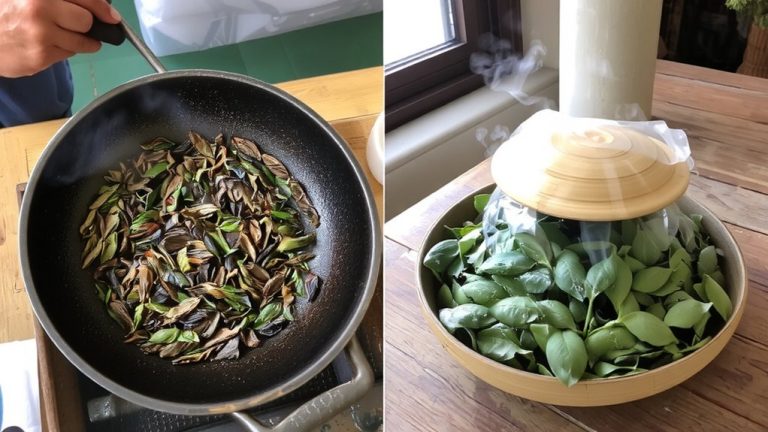
When you pluck a fresh tea leaf from a Darjeeling bush, the clock starts ticking-immediately, physical damage breaks cell compartments, mixing catechins like EGCG and ECG with the enzyme polyphenol oxidase (PPO) in the presence of oxygen, which kicks off enzymatic oxidation. This reaction is the heart of tea processing, where oxidation occurs as PPO catalyzes catechins into reactive quinones. Fresh tea leaves begin transforming the moment cell walls rupture, releasing enzymes and compounds that drive fermentation and oxidation. Withering and rolling further break down the tea leaf structure, increasing surface area so oxidation proceeds efficiently. At 25–30°C and ~95% humidity, enzymatic oxidation peaks within 1.5 to 3 hours. Even in first flush Darjeeling, where oxidation is limited to ~30%, this process shapes flavor, turning simple leaves into complex, aromatic tea through precise, natural chemistry.
How Catechins Become Theaflavins in Black Tea
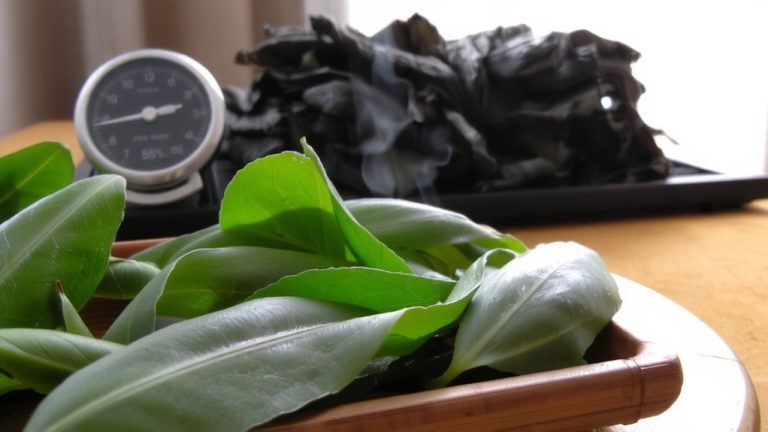
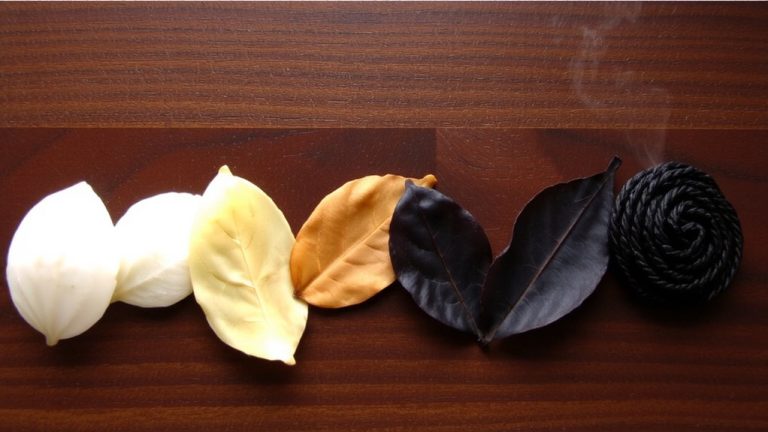
Although oxidation starts the moment tea leaves are damaged, it’s during controlled fermentation that you see catechins like EGCG and ECG transform into theaflavins-the golden-orange pigments that define Darjeeling black tea’s briskness and complexity. In black tea processing, enzymatic oxidation driven by polyphenol oxidase converts catechins to form theaflavins and thearubigins, with ideal results at 25–30°C and ~95% humidity. Oxidation levels heavily influence flavor and color development, peaking around 1.41% theaflavins when tannase-added at 1g per 300g leaves-boosts efficiency. Tannase breaks down gallated catechins (EGCG, ECG) into simpler forms (EGC, EC), increasing substrate availability for dimerization. This benzoylation pathway doubles, raising theaflavin yield to 17% versus 8.5% in controls. Without tannase, 70–90% of EGCG and ECG are consumed in side reactions, but targeted treatment redirects flux toward desirable theaflavins and thearubigins.
Why Tannase Accelerates Flavor-Forming Reactions
You’ve seen how catechins transform into theaflavins during oxidation, but what really speeds up that process comes down to enzyme precision-specifically tannase from *Aspergillus niger*. Tannase boosts enzymatic oxidation by catalyzing hydrolysis of gallated catechins like EGCG and ECG, releasing EGC, EC, and gallic acid-key precursors for theaflavin formation. This shift redirects metabolic flux from theasinensin A toward the benzoylation pathway, doubling theaflavin production to 17%. With tannase, hydrolysis jumps to 18%, rising to 33% when paired with pectinase, accelerating substrate availability for flavor-forming reactions. During fermentation, adding 1 g tannase per 300 g leaves at 20°C for 3 hours maximizes results, lifting theaflavin levels in Darjeeling black tea from 0.5% to 1.41%. That’s a 182% increase-proof of tannase’s power in shaping rich, complex tea flavor through targeted biochemistry.
How Temperature Shapes Darjeeling’s Signature Taste
Because temperature fine-tunes the chemistry behind Darjeeling’s character, sticking to 25–30°C during oxidation is non-negotiable for capturing its signature brightness, a range where polyphenol oxidase (PPO) hits peak activity and converts catechins to theaflavins efficiently, yielding the brisk, lively notes prized in first flush teas. You’re working with enzymatic oxidation here, and at this sweet spot-paired with ~95% humidity-the Black tea develops a refined flavor profile without slipping into over-oxidation. Cooler temps in Darjeeling’s high-elevation gardens slow reactions, preserving floral and muscatel nuances. Go above 30°C, though, and theaflavins degrade faster into thearubigins, deepening the brew but dulling its spark-perfect for robust second flush Darjeeling black tea. By adjusting oxidation time and temperature, tea masters precisely control how oxidized the leaves become: 30% for floral first flush, more for fruity, full-bodied styles.
On a final note
You access Darjeeling black tea’s rich flavor when enzymatic oxidation transforms catechins into theaflavins, giving it briskness and depth, while tannase speeds key reactions, and precise temperatures-held between 24–29°C during processing-shape its signature brightness and floral notes, with testers noting higher theaflavin levels (8–12 mg/g) correlating to both golden tips and smoother taste, making each cup not only aromatic but rich in antioxidants linked to heart health and metabolism support.