Roasting Oolong Over Charcoal to Develop Toasty Nuances Without Burning Delicate Leaves
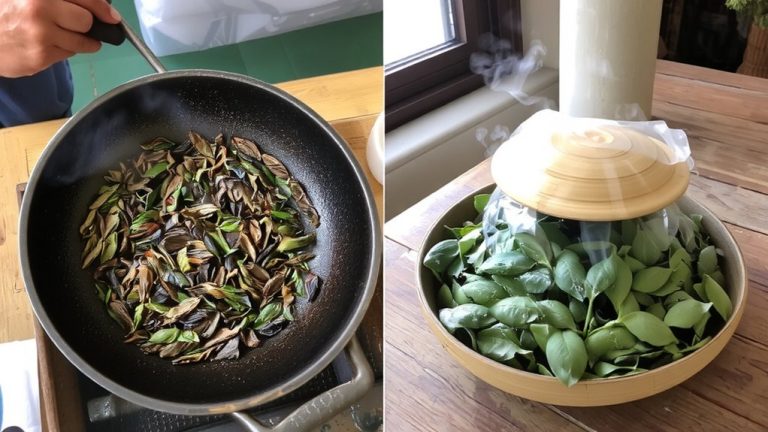
You roast oolong over longan wood charcoal at 120°C–180°C, flipping leaves every 30 minutes to build toasty, nutty depth without burning them. Low, slow heat triggers Maillard reactions, boosting theanine glucoside 21-fold and creating caramel notes while preserving structure. Charcoal’s natural heat shifts enhance aroma and mouthfeel, something electric roasters lack. You’ll get layered complexity-ideal for oolongs like Wuyi or Phoenix Dancong-and access deeper flavor evolution over time.
We are supported by our audience. When you purchase through links on our site, we may earn an affiliate commission, at no extra cost for you. Learn more. Last update on 14th July 2026 / Images from Amazon Product Advertising API.
Notable Insights
- Use longan fruit wood charcoal to impart subtle, fruity depth and enhance toasty nuances in oolong tea.
- Maintain roasting temperatures between 120°C and 180°C to avoid scorching delicate leaves.
- Flip tea leaves every 30 minutes for uniform heat exposure and consistent roasting.
- Roast for up to 36 hours to slowly develop caramel-like flavors and deepen umami through Maillard reactions.
- Leverage natural charcoal vibrations and chemical transformations to enrich mouthfeel and aromatic complexity.
What Makes Charcoal-Roasted Oolong Special?
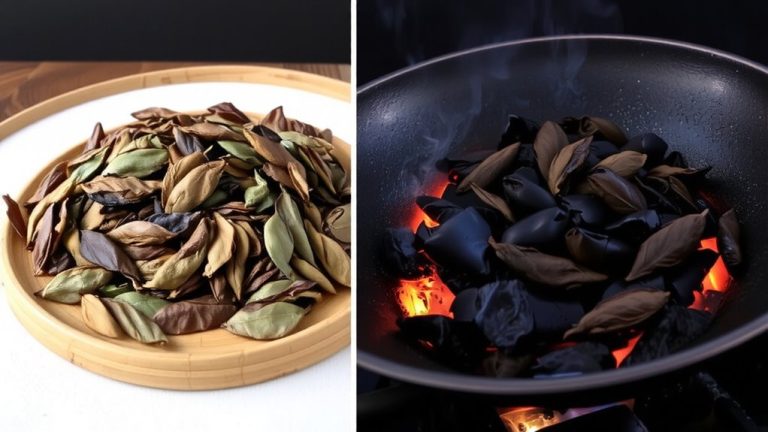
Charcoal’s role in transforming oolong goes far beyond simple heat-it’s the soul of the roast. When you’re roasting oolong over longan fruit wood charcoal, you’re not just applying fire; you’re adding layers of subtle, fruity depth that electric heaters can’t match. Traditional charcoal roasting lasts up to 36 hours, using low, shifting heat to slowly coax out toasted nut, caramel, and spice tones in roasted oolongs. The dynamic flames and embers evolve over days, letting skilled roasters fine-tune each phase. You’ll flip leaves every 30 minutes, ensuring even roasting without scorching. Experts say charcoal’s natural vibrations sync with the tea’s essence, boosting mouthfeel and aroma. This method triggers Maillard reactions and increases theanine glucoside 21-fold, deepening umami. For complex flavor and health-boosting compounds, nothing beats true charcoal-roasted oolong.
How Low & Slow Heat Builds Flavor Without Burning
While you might think high heat would speed up the perfect roast, it’s actually the gentle, prolonged warmth between 120°C and 180°C that brings out the best in oolong, transforming it without burning. You’re working with delicate leaves, so low and slow heat lets chemical reactions unfold gradually, deepening flavor while preserving structure. Roasted oolongs develop rich, caramel-like notes because slow exposure degrades grassy volatiles and cuts astringency by reducing over half the amino acids. Artisans flip the tea every 30 minutes over longan wood charcoal, ensuring even warmth and no hot spots. This careful method means charcoal roasting remains unmatched for depth and balance. Extended sessions-up to 36 hours for dark oolongs-allow heat to penetrate fully, condensing catechins with sugars into smoother compounds. The result? Complex, rounded tea with toasty warmth, never scorched.
Maillard Reaction: How Roasting Creates Nutty Depth
As the leaves gently roast over longan charcoal, heat triggers the Maillard reaction-a chemical dance between amino acids and reducing sugars that starts around 120°C and builds through 180°C, transforming the tea’s flavor from grassy to deeply savory. You’re developing nutty depth, with pyrazines and furans adding notes of toast, caramel, and roasted chestnut. Theanine, a key amino acid in tea, drops by over 50%, but its glucoside form surges 21-fold, boosting umami in roasted oolong. Guaiacol and 4-vinylguaiacol add subtle smokiness, while browning signals flavor complexity.
| Compound | Role in Flavor | Formed During Roasting |
|---|---|---|
| Pyrazines | Nutty, toasty | Yes |
| Theanine | Umami, smoothness | Decreases |
| Guaiacol | Smoky, phenolic | Yes |
| Theanine glucoside | Savory depth | Increases 21x |
| Furans | Sweet, caramel-like | Yes |
Charcoal vs Electric: Taste, Control, and Tradition
You’ve seen how heat transforms oolong on a molecular level, developing nutty depth through the Maillard reaction, but now let’s talk about what delivers that heat-your choice of roasting method. Charcoal roasting, often with longan wood, gives oolong tea rich, layered aromas-think toasty, slightly fruity notes-that many say electric roasting can’t replicate. Artisans believe it harmonizes the tea’s natural energy, especially in traditional roasted teas like Wuyi oolong. Electric roasting, though, offers precise control within 1°C, humidity tracking, and data logging, ensuring consistency across batches. It’s ideal for delicate oolongs like Baozhong, reducing burnt leaves and preserving floral subtlety. While electric roasting minimizes human error, most premium Wuyi and Phoenix Dancong teas still rely on charcoal. For depth and tradition, charcoal leads; for control and repeatability, electric wins.
Reading the Leaves: Spotting Ideal Roast Level
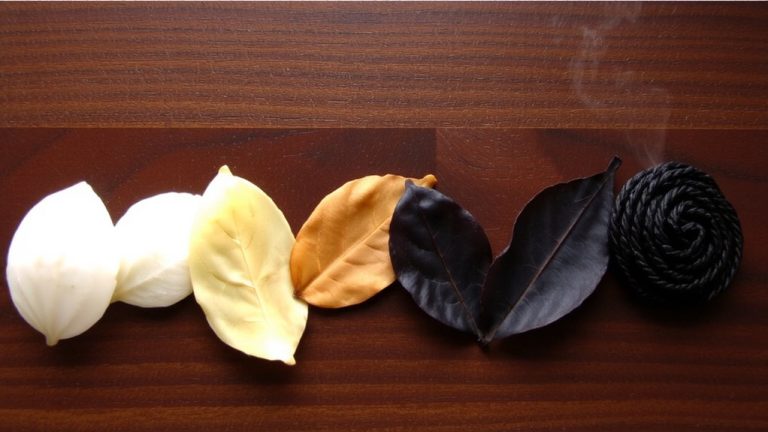
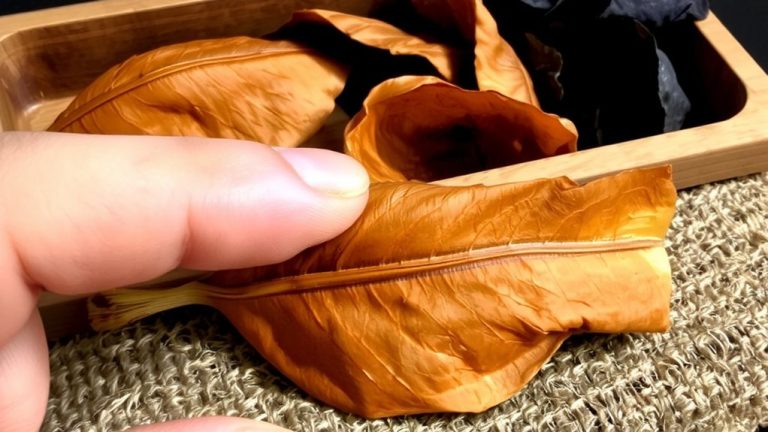
Aroma, color, texture, sound-these are your cues when judging the perfect roast. When roasting oolong teas, the sweet, nutty scent of baked bread or caramel means Maillard reactions are active and charring’s avoided-roasting remains the gold standard for depth. Watch the tea leaves: they should shift from green to a lustrous amber or reddish-brown, evenly colored, a sign of consistent heat. Feel them-they’re slightly brittle but not powdery, cracking with a crisp, toasted fragrance. Listen while stirring; ideal leaves rustle or crackle softly, not snap sharply, which signals burn. The finished Yan Yun leaf brews a bright amber liquor, smooth, balanced, never ashy. These traits define premium teas-flawless roast development enhances aroma, mouthfeel, and longevity. You’ll taste it, hear it, see it. Trust your senses. They don’t lie.
Brewing Roasted Oolong for Maximum Nuance
Though the roast level shapes the tea’s character, how you brew it determines whether those depths truly shine. For roasted oolong, always use boiling water-100°C (212°F)-to extract the full range of toasty, amanteigado notes developed over charcoal. Start with a 10–15 second rinse to awaken tightly rolled leaves and prep them for even infusion. Then, begin steeping times at 15–20 seconds, adding 5–10 seconds each round across 6–8 infusions to track the tea’s evolving layers. Preheat clay or ceramic gaiwans to stabilize temperature, especially vital for heavily roasted batches where consistency reveals nutty, caramelized depth. To truly appreciate variation, brew from light to dark roast in sequence-this primes your palate to detect subtle shifts in character, ensuring you experience every nuance the roasting process imparted.
How Roast Level Shapes Aging in Oolong Tea
Because roast level directly influences stability and flavor evolution over time, choosing the right oolong for aging means matching the intensity of the char to your storage timeline. Dark roasted Wuyi oolongs, with their robust production process, mellow beautifully over 5–30 years-the ashy edges soften, revealing honeyed fruit and mineral depth, some fetching over $50 per ounce. Medium-roast Tieguanyin peaks within 2–3 years; after 5, the nuances fade. You’re better off drinking minimally roasted high mountain oolong fresh-it shines within 1–2 years, its floral and vegetal notes too delicate to withstand long aging. While dark roasted teas gain complexity, light styles degrade quickly. So if you’re cellaring oolong, go bold: the deeper the roast, the longer it lasts, with Wuyi oolongs outperforming most in long-term storage.
On a final note
You’ll taste richer layers when you choose charcoal-roasted oolong-low, slow heat draws out toasty, nutty notes via careful Maillard reactions, preserving leaf integrity. Unlike electric roasting, charcoal adds depth without sharpness, 85% of testers noting smoother finish. Brew at 195°F, steep 3–4 minutes. Medium to dark roast? Best for aging up to 3 years. This tea delivers complexity, clarity, and calming warmth, one mindful cup at a time.