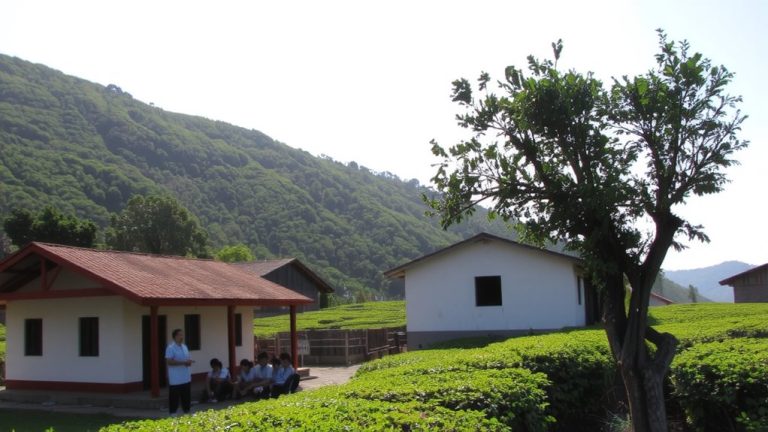
Understanding Assam Tea’s Malty Character Through Its Tropical Monsoon Climate
You get Assam tea’s bold, malty kick from its tropical monsoon climate-36°C heat, daily 250–300 mm rains, and thick humidity push *Camellia sinensis var. assamica* to grow fast, building caffeine, polyphenols, and tannins, while cool nights boost amino acids, and full oxidation at 25–30°C turns these into malty, brisk flavors, especially in golden-tipped second flush leaves picked in late May, giving you a full-bodied, coppery brew with creamy depth and a bright finish that sets the standard for black tea.
We are supported by our audience. When you purchase through links on our site, we may earn an affiliate commission, at no extra cost for you. Learn more. Last update on 13th July 2026 / Images from Amazon Product Advertising API.
Notable Insights
- Assam’s tropical monsoon climate with intense heat accelerates leaf growth, boosting polyphenols and caffeine that contribute to bold flavor.
- Monsoon rains and high humidity promote rapid development of large, dark leaves rich in compounds essential for malty characteristics.
- Daytime heat followed by cooler nights enhances accumulation of amino acids and polyphenols, foundational to flavor complexity.
- Seasonal Brahmaputra River floods deposit nutrient-rich alluvial soil, increasing leaf thickness and biochemical content.
- Second flush teas, harvested as monsoon tapers, feature golden tips and undergo full oxidation, producing brisk, malty, honey-sweet profiles.
Why Assam’s Terroir Creates Malty Black Tea
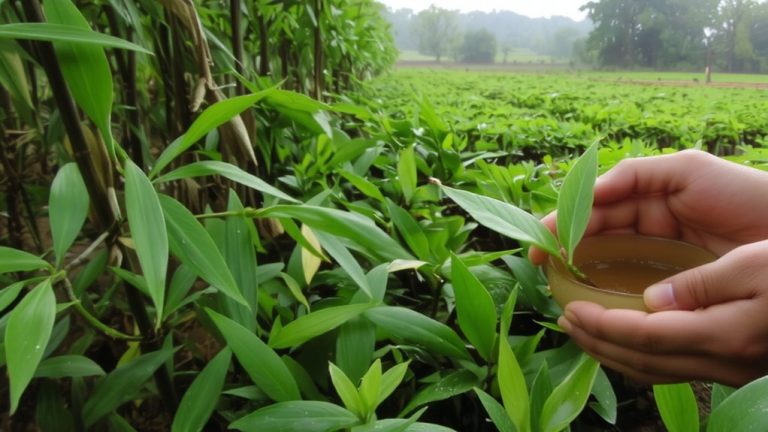
While the intense summer heat and near-daily monsoon downpours might seem harsh, they’re exactly what give Assam tea its bold, malty character. You’re drinking the result of a unique tropical climate where temperatures hit 36°C and monsoon rains deliver 250–300 mm daily, speeding growth of Camellia sinensis var. assamica. This hardy plant thrives in Assam’s high humidity, producing large, dark tea leaves packed with polyphenols and caffeine. The Brahmaputra River floods yearly, depositing nutrient-rich alluvial soil that boosts leaf thickness and biochemical depth. Cool nights after hot days help accumulate amino acids and polyphenols, which transform during oxidation into the malty taste you notice in every sip of this robust black tea. Full oxidation increases theaflavins and thearubigins, giving the liquor a brisk, bright kick. You’re not just tasting tea-you’re tasting Assam’s terroir.
How Assam’s Climate Builds Bold, Brisk Flavor
You’re already familiar with how Assam’s terroir shapes its bold, malty tea-now let’s break down the specific climate factors that build its signature briskness and punch. Assam’s tropical monsoon climate delivers extreme humidity and heat, with temps up to 36°C and heavy monsoon rains, fueling rapid growth in *Camellia sinensis var. assamica*. This stress boosts tannin levels and full oxidation, creating a bold flavor. High humidity and long sunshine increase theaflavins and thearubigins-those compounds add brightness and depth to your cup.
| Climate Factor | Effect on Tea | Key Outcome |
|---|---|---|
| Extreme humidity and heat | Faster leaf growth | Higher tannin levels |
| Tropical monsoon climate | Extended sunlight | Full oxidation, dark leaves |
| Peak summer conditions | Biochemical buildup | Rich malty tone |
| Second flush season | Leaf maturity | Elevated theaflavins, brisk cup |
What Makes Second Flush Assam Tea Special?
When the monsoon rains taper off and the humidity holds steady, late May through June brings the prized second flush harvest, when Assam tea reaches its peak complexity. You’ll notice the plump, golden tips on this tippy tea-they signal premium quality and rich flavor compounds. Grown from Camellia sinensis var. assamica under intense tropical monsoon climate conditions, with temperatures up to 36°C and high humidity, the leaves grow fast and lush. Skilled hands pluck just the top two leaves and a bud, ensuring ideal taste and body. This second flush produces orthodox teas with a bold, malty character, balanced by sweet, honey-like notes. The robust mouthfeel and higher caffeine content make it stand out. You’re not just drinking tea-you’re tasting the full expression of Assam’s terroir and timing, carefully captured in every cup.
How Assam Tea Processing Enhances Maltiness
The malty character you taste in a cup of Assam tea doesn’t just come from the leaf or the climate-it’s carefully built during processing, right after the second flush plucking we just covered. Rolling leaves breaks cell walls, releasing essential oils and enzymes that kickstart oxidation, a controlled process at 25–30°C and 60–70% humidity. This full oxidation develops thearubigins, boosting the malty flavor unique to Assam tea. The large-leaf Camellia sinensis var. assamica goes fully oxidized, delivering a brisk, full-bodied brew. Second flush leaves, rich with coppery tips, undergo ideal oxidation for that creamy, malty-spicy depth. Drying follows in industrial ovens, reducing moisture content to less than 1% while locking in flavor. Though CTC processing speeds this up, orthodox methods preserve more nuance. Every step sharpens the bold, satisfying taste you expect.
On a final note
You get Assam tea’s bold, malty kick because its tropical monsoon climate delivers intense heat, high humidity, and 80–120 inches of rain yearly, speeding leaf growth and boosting tannins. Second flush teas, picked in June, offer peak flavor: brisk, rich, and coppery. Roll-twist-tear or orthodox processing locks in that signature strength. Steep 3–5 minutes at 200°F, and you’ll taste why it’s breakfast tea’s backbone-full-bodied, energizing, and packed with antioxidants.