How Japanese Shincha Represents the First Harvest’s Freshest Sencha
You’re tasting the year’s freshest sencha when you sip shincha, harvested just once each spring from late March to May. Grown in warm southern regions like Tanegashima and Kagoshima, then moving north to Shizuoka and Uji, it’s lightly steamed (30–60 seconds) to lock in aroma and L-theanine. Brew 5g per 350ml at 80°C for 30–45 seconds to enjoy its sweet, umami-rich cup loaded with linalool and cis-3-hexenal-this is peak seasonal tea at its most vibrant. You’ll discover how timing, region, and craft shape every bright, crisp note.
We are supported by our audience. When you purchase through links on our site, we may earn an affiliate commission, at no extra cost for you. Learn more. Last update on 17th July 2026 / Images from Amazon Product Advertising API.
Notable Insights
- Shincha is Japan’s first spring harvest, known as ichibancha, marking the annual start of the tea season with peak freshness.
- Harvested from late March to mid-May, it captures tender leaves rich in amino acids like L-theanine accumulated over winter.
- Originating in southern regions like Tanegashima and moving north, shincha benefits from early budding due to mild climates.
- Light steaming (30–60 seconds) preserves volatile compounds such as cis-3-hexenal, enhancing its crisp, aromatic profile.
- Brewed at 80°C for 30–45 seconds, shincha delivers intense umami and spring-like notes, showcasing its unmatched seasonal quality.
Why Shincha Is Japan’s First Spring Tea
Though it only comes once a year, you’re in for something special with shincha-it’s Japan’s very first spring tea, harvested from late March to mid-May starting in warm southern regions like Kagoshima and Tanegashima. This first harvest, known as ichibancha, marks the start of the tea season and delivers the season’s freshest leaves. Shincha, a new tea in Japanese, is a first flush tea prized for its vibrant aroma and sweet taste. Because the tea plants store nutrients all winter, these young leaves are packed with amino acids, especially L-theanine, boosting both flavor and calm focus. Unlike stored sencha, this Japanese green tea is processed immediately to lock in fragrant compounds like cis-3-hexenal. Grown for quality, not yield, each field’s spring harvest lasts just days. When you drink shincha, you’re tasting the purest expression of fresh, first-pick sencha-bright, aromatic, and alive with seasonality.
When and Where Shincha Is Harvested
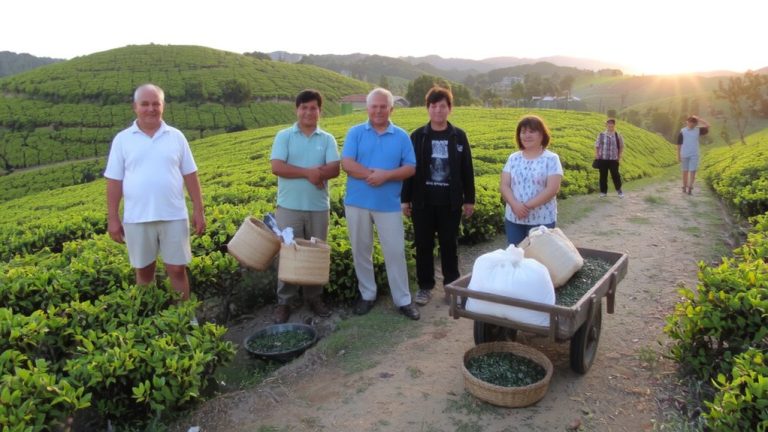
As the first flush of spring unfolds, you can expect shincha harvesting to kick off in late March on Tanegashima Island, where the mild southern climate and early-budding cultivars like Yabukita give Japan its earliest tea pickings. From there, the harvest begins moving northward, reaching Kagoshima by mid-April, where deep-steamed green tea leaves are produced in high volume. By late April to early May, Shizuoka prefecture, Japan’s top producer of Japanese green tea, starts its harvest, contributing nearly half the nation’s shincha green tea. The spring harvest peaks around May 2-Hachiju-Hachiya, the 88th day after spring’s start-when Uji, Kyoto, picks its first tender leaves. You’ll notice these early-harvest teas deliver brighter flavors and richer nutrients, thanks to brisk growth and cool temperatures that preserve freshness in every leaf.
How Processing Preserves Shincha’s Freshness
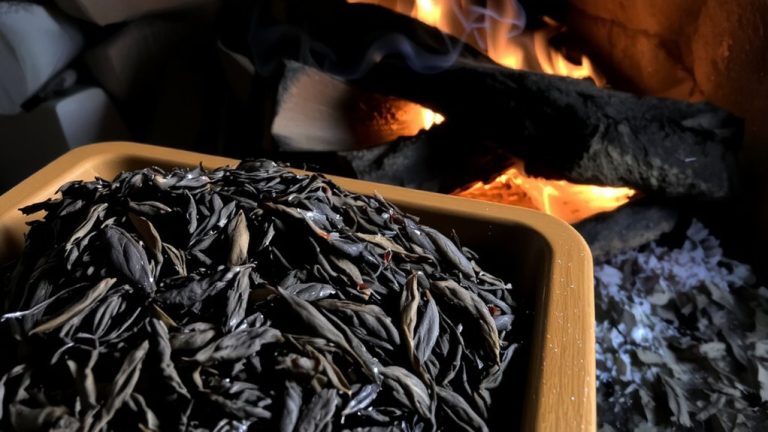
Since shincha is all about capturing the fleeting essence of spring, every step in processing matters, and steaming time is no exception-you’ll find premium batches steamed for just 30 to 60 seconds, a brief window that stops enzyme activity without sacrificing the vibrant aromas you’re after. This lightly steamed approach is key in shincha tea production, preserving delicate compounds like cis-3-hexenal that give Japanese green teas their crisp, just-picked character. The spring harvest starts with tender tea leaves that retain higher moisture content, so precise heat control during steaming and a gentle final roast lock in freshness instead of driving it away. Unlike aged sencha, this new tea skips cold storage, delivering Sweet Flavor and bright top notes fast. By skipping de-veining, aracha-style shincha retains more essential oils, making this fresh tea a peak expression of early-season tea production.
Brewing Shincha for Maximum Flavor
You’ve just seen how careful processing locks in shincha’s fleeting spring freshness, from short steaming times to skipping cold storage and de-veining. Now, to Brew Shincha right, use 5g per 350ml of water at 175℉ (80℃)-this pulls out its fresh, sweet, umami-rich character without harshness. Steep the first infusion 30–45 seconds to highlight vibrant spring aromas like linalool and cis-3-hexenal. For the second, drop to 80–85°C and flash-steep 0–5 seconds, drawing out delicate cucumber and watermelon notes from (2E,6Z)-nona-2,6-dienal. This new, highest quality sencha green tea, tea picked early in the tea harvest, peaks in April as the first tea of the season. With each infusion-up to five-you’ll taste its nutrient-dense leaves. Avoid boiling water, as temps over 85°C damage amino acids and polyphenols, dulling flavor. Brew right, and the day after the first flush still sings in your cup.
On a final note
You’ll love shincha’s bright, grassy flavor and lively sweetness, captured fresh from Japan’s first spring harvest. Steep 1 teaspoon (2 grams) per 8 oz water at 160°F for 60 seconds to access its vibrant umami and low astringency. Testers note higher antioxidants and vitamin C than later harvests, thanks to careful steaming and immediate finishing. For peak freshness and nutritional benefits, drink within six weeks of opening, and store it sealed, cool, and dark.