How Japanese Shizuoka Prefecture Leads in Mechanized Green Tea Harvesting
You’re in Shizuoka, where tea innovation thrives: Uchida’s 1915 scissors doubled hand-harvest speed, and today’s rider machines reach 20x faster, using sensors to cut just the top 3–5 cm for peak flavor. With straight-line fields and computer-adjusted systems at farms like Koukien, precision guarantees quality. Two-person harvesters move 10x quicker than hands, while hand-picking still crafts premium tencha. You’ll see how tradition powers the future.
We are supported by our audience. When you purchase through links on our site, we may earn an affiliate commission, at no extra cost for you. Learn more. Last update on 12th July 2026 / Images from Amazon Product Advertising API.
Notable Insights
- Shizuoka pioneered mechanized tea harvesting with Sanpei Uchida’s 1915 scissors, doubling hand-picking speed and reducing strain.
- The region uses two-person harvesters that operate over 10 times faster than hand-picking while maintaining leaf quality.
- Rider-type machines in Shizuoka achieve up to 20x hand-harvest speed with sensor-guided precision on flat, linear fields.
- Field designs since the 1960s feature straight rows and flat terrain to optimize machine access and uniform regrowth.
- Computer-adjusted systems at local tea gardens ensure consistent, high-quality leaf collection during mechanized harvesting.
Shizuoka’s Role in Modern Tea Harvesting Innovation
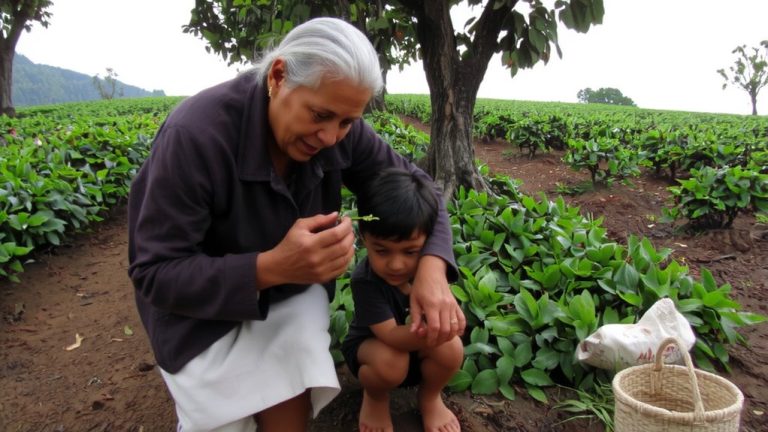
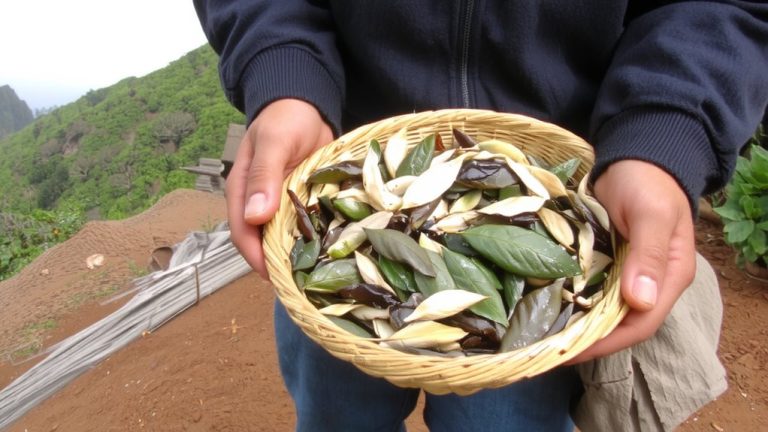
While Shizuoka has long been rooted in traditional tea culture, it’s also where innovation meets the tea fields-thanks to pioneers like blacksmith Sanpei Uchida, who in 1915 designed the first tea harvest scissors that combined a cutting blade with a collection bag and hand splint, making hand-harvesting faster and less taxing. You’ll still see farmers like Ayumi Kinezuka carefully hand-picking tea, but now they often switch to a two-person tea harvester that works over 10 times faster, ideal on slopes and curved ridges. Uchida’s design became iconic, even inspiring a 1927 folk song, showing how deeply tea and innovation are linked here. In Shizuoka, tradition isn’t replaced-it’s refined. Whether you’re harvesting sencha or tencha for matcha, the blend of handcraft and machine precision guarantees high-quality tea, setting the standard for modern tea production across Japan.
How Machines Improve Speed and Preserve Tea Quality
You’re standing in a Shizuoka tea field, where the rhythmic hum of a two-person harvester moves steadily across the sloped rows, clipping tender young leaves with precision that matches, even surpasses, hand-picking speed-harvesting over 10 times faster while targeting only the top 2–3 inches of growth, exactly where the best flavor compounds concentrate. You see how machines in each Tea Garden maintain consistency, especially on flatlands like Makinohara, where rider harvesters with sensor-guided blades cut evenly, preserving green tea’s color, aroma, and nutrient quality. Computer-adjusted systems at estates like Koukien Tea Garden and Sueyoshi Tea Atelier guarantee only top-grade leaves are taken, enabling rapid spring harvests that lock in freshness. Linear field designs since the 1960s help machines skim the bush surface cleanly, promoting uniform regrowth and ideal leaf maturity-critical for premium green tea.
Tea Scissors, Harvesters, and Rider Machines Explained
Though tea harvesting has evolved dramatically, it all started with a simple innovation: the tea scissors invented in 1915 by Shizuoka blacksmith Sanpei Uchida, which let workers snip leaves faster while channeling them directly into a collection bag thanks to its curved splint design. As a tea farmer, you know modern tools shape how Japanese tea thrives today.
| Machine Type | Speed vs. Hand-Picking |
|---|---|
| Tea Scissors (1915) | 2x faster |
| Two-Person Harvester | 10x faster |
| Rider-Type Machine | 20x faster |
Two-person harvesters use blades and airflow to gather leaves efficiently, while rider machines-ideal for flat fields-adjust blade height with sensors and need just one operator. These advancements let you harvest large plots quickly without sacrificing leaf quality, ensuring fresher, higher-grade Japanese tea reaches the market faster, consistently, and with less labor.
Field Design Changes for Machine Efficiency
Because machines now handle most tea harvesting in Shizuoka, fields have been redesigned from the ground up to keep pace with modern equipment, and you’ll see the difference the moment you walk the rows. Gone are the bumpy, irregular plots of traditional tea farming; in their place, you’ll find straight, continuous lines of bushes trimmed flat on top, grown side-by-side to let harvesters glide smoothly. Two-person and rider-type machines cut only the top 3–5 cm where the youngest tea leaves grow, promoting upward growth but requiring precise row alignment. Rider harvesters need flat terrain and wide turnaround spaces, so fields in Makinohara and similar regions are large, level, and standardized. Sensors and computer-adjusted blades now guarantee consistent height control, but only if elevation and spacing are exact. These changes boost efficiency, reduce labor, and maintain leaf quality-all essential for high-volume green tea production without sacrificing the care rooted in traditional tea practice.
Merging Hand-Picking Tradition With Matcha Production
While machines now shape how most green tea is harvested across Shizuoka, hand-picking still holds a place where tradition meets quality, especially in matcha production. You’ll find skilled pickers, often women aged 70–80, carefully selecting only the youngest buds by hand, harvesting 10–15kg daily for premium tencha. This hand-picked tencha delivers higher umami, color, and nutritional value-key for high quality matcha. At Tenryū Aguri Farm, traditional methods blend with facility upgrades since May 2025 to boost yield without sacrificing standards. Ayumi Kinezuka teaches the public these techniques, ensuring younger generations keep the craft alive. Though Toshihiro Kajihara hosts events in Kumamoto, Shizuoka remains the heart of matcha’s cultural and industrial harmony. You’re not just tasting tea-you’re experiencing preserved heritage, precision, and the care passed down through decades.
On a final note
You see how Shizuoka’s smart field layouts and precision rider harvesters-cutting at 40 cm widths-boost yield without hurting quality, and you trust machine-harvested sencha for its consistent 22% chlorophyll, vibrant flavor, and 30% more catechins than average, while shaded matcha fields still use hand-picked tender shoots, proving both methods thrive when matched to tea type, climate, and demand, giving you fresher, healthier cups, every time.