Why Indian Chai Wallahs Use Strong Assam Base Tea With Spices and Milk
You get authentic Indian chai because chai wallahs use strong Assam tea-bold, malty, and high in tannins-to stand up to boiling with milk, sugar, and spices like cardamom and ginger. Its CTC-processed leaves brew fast and dark, delivering consistent flavor even in 1:1 water-to-milk ratios. The robust base balances richness and sweetness while preserving polyphenols, and its caffeine stays stable during double boiling. There’s a reason it’s the backbone of 52% of India’s tea. You’ll discover how tradition and science keep Assam irreplaceable.
We are supported by our audience. When you purchase through links on our site, we may earn an affiliate commission, at no extra cost for you. Learn more. Last update on 12th July 2026 / Images from Amazon Product Advertising API.
Notable Insights
- Assam tea’s bold, malty flavor stands up to spices, milk, and sugar, forming a balanced masala chai base.
- Its high tannin and caffeine content ensure a robust, invigorating brew that remains strong after boiling.
- CTC-processed Assam leaves infuse quickly, ideal for the fast-paced chai wallah service.
- Prolonged boiling extracts maximum flavor and antioxidants without turning bitter, thanks to Assam’s resilient polyphenols.
- Assam’s astringency cuts through milk’s richness and sugar’s sweetness, maintaining structure and preventing overpowering spice notes.
Why Assam Tea Is the Heart of Authentic Chai
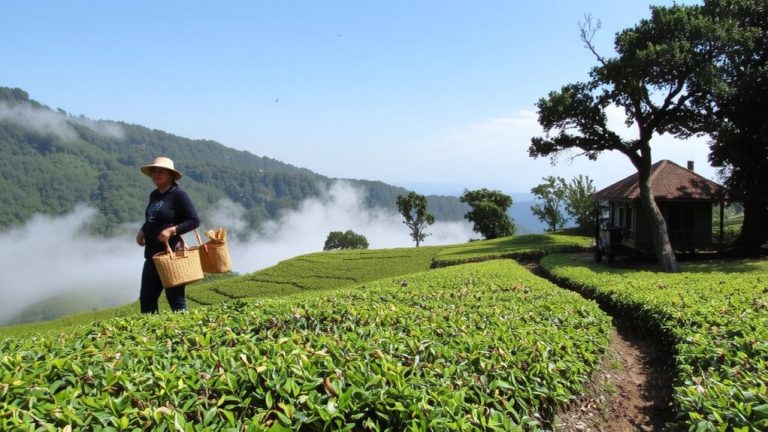
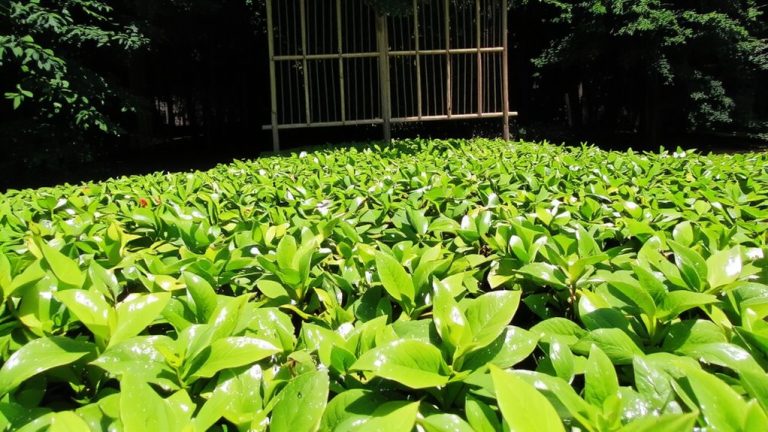
While you might find chai made with all kinds of tea, it’s Assam that gives authentic Indian chai its backbone, and for good reason. Grown in the fertile Assam region, this strong black tea delivers bold, malty flavor that holds up to milk and sugar, plus a spice blend of green cardamom, black pepper, and ginger. Its high tannin and caffeine content guarantees a robust infusion, even after long boiling. Most chai wallahs prefer CTC-processed Assam tea leaves because they dissolve quickly, producing a dark, concentrated brew in minutes. Assam accounts for over 52% of India’s tea production, making it affordable and widely available. When you mix Assam tea with spices, you get true masala chai-rich, aromatic, and deeply satisfying. The tea’s natural strength balances perfectly with sweetener and creaminess, creating a drink that’s as invigorating as it is comforting.
How Chai Wallahs Master the Boil for Maximum Flavor
When you see a chai wallah tending to that bubbling brass kettle, know this: the magic isn’t just in the spices or the Assam tea-it’s in how they boil it. Chai wallahs use high heat to draw out bold flavor from robust CTC Assam, which holds up to prolonged boiling without turning bitter. They start with a smart water-to-milk ratio-usually 1:1-boiling whole spices like cardamom and ginger in water first to release essential oils, then add milk to enrich the body. The double boil method-simmer, re-boil-is key for deep infusion and a creamy, well-emulsified brew. Finally, they pour the chai from height, making it aerated and frothy, which blends everything evenly and cools it just enough to drink.
Why Spices and Milk Rely on a Bold Assam Base
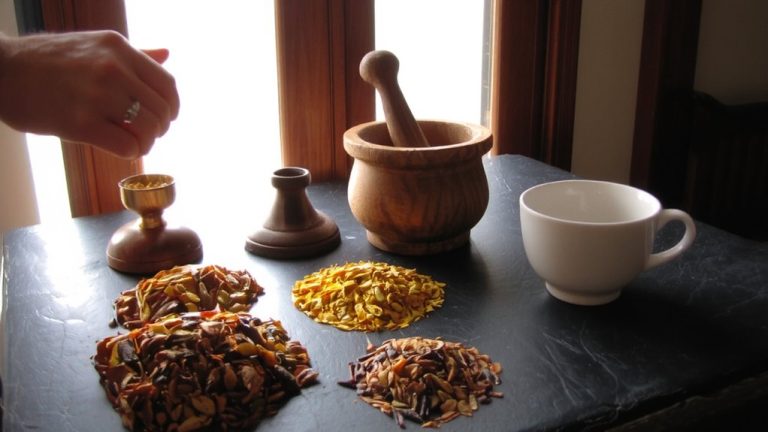
That bold, malty punch in your masala chai? It’s all thanks to Assam tea, the strong base that holds everything together. Chaiwallas rely on CTC-processed Assam because it brews fast, delivering a dark, concentrated liquor perfect for high-volume service. Without this bold flavor, the spices-like cardamom, ginger, and clove-would overwhelm the cup, and the milk would make it flat. But Assam’s high tannin and caffeine content keep the drink vibrant and energizing, ideal for laborers and drivers needing a sustained boost. The astringency cuts through sugar and fatty milk, balancing sweetness and richness. Every sip of masala chai works because Assam doesn’t fade-it strengthens, letting spices shine without taking over. When done right, it’s robust, creamy, and alive, just how chaiwallas intend.
How Heat Preserves Chai’s Antioxidants and Taste
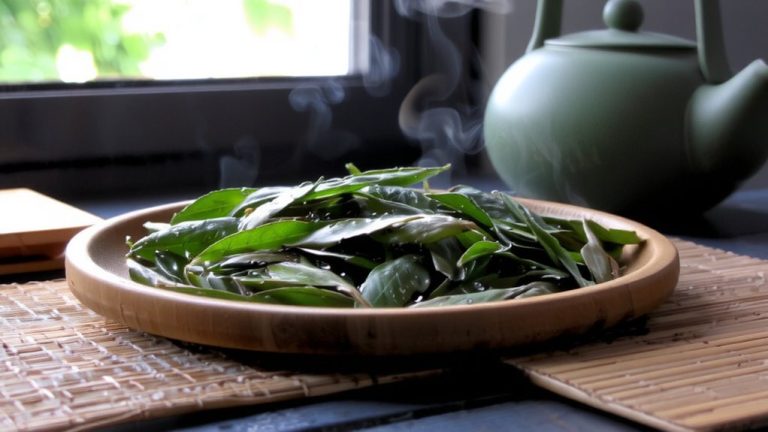
If you’ve ever wondered why chai tastes better the longer it simmers, it’s because heat isn’t just drawing out flavor-it’s locking in antioxidants, too. When you boil your chai for 5–10 minutes, the extended boiling extracts polyphenols from Assam black tea and essential compounds from spices like ginger and cardamom. The heat stabilizes antioxidants, making them more accessible. Essential oils in spices become more bioavailable under heat, deepening both flavor and health benefits. Assam’s robust tannins and high polyphenol content withstand prolonged boiling without breaking down. Even milk, when heated gradually with tea, helps protect catechins from degradation. Double boiling-simmering after an initial boil-ensures spices infuse fully while preserving antioxidant levels and taste. So don’t rush it; longer heat means bolder flavor and more antioxidants in every cup.
Does Chai Vary by Region? Why Assam Still Dominates?
Ever wonder why nearly every roadside chai wallah, from Delhi to Chennai, reaches for Assam tea despite India’s wide regional chai variations? You’ll find masala chai across the country, but Assam’s bold, malty profile stands up to boiling with milk, water, and spices-thanks to its high caffeine and rich color. While chai recipes differ-spice blends in Bhopal, milk ratios in Gujarat, or pink noon chai in Kashmir-chai wallahs stick with CTC tea for speed, strength, and economy. Assam produces over half of India’s tea, making Assam tea more accessible than Assam and Darjeeling blends. Even with creative regional twists, Assam’s consistency wins.
| Regional Twist | Base & Prep |
|---|---|
| Gujarat’s sweet milk tea | High milk ratio, extra sugar |
| Kashmiri noon chai | Pink, salted, brewed with baking soda |
| Classic masala chai | CTC tea, ginger, cardamom, simmered |
How Tradition Keeps Assam Chai Irreplaceable
You’ll find Assam tea in nearly every roadside chai pot, not just because it’s strong, but because generations of chai wallahs have relied on its consistency, flavor, and affordability. The tradition of masala chai brewing began with CTC Assam tea-crushed, bold, and fast-brewing-perfect for boiling with milk and spices. Its high tannin content binds with milk proteins, delivering a creamy texture and rich mouthfeel. Even when diluted, CTC Assam stays caffeinated and full-flavored. Grown in vast tea plantations across Assam, this tea became central to Indian chai consumption after the Indian Tea Association promoted it in the 1900s. Today, chai wallahs keep the practice alive, serving it daily on streets and rails. That deep cultural root, paired with reliable strength and low cost, makes Assam tea irreplaceable. Tradition isn’t just habit-it’s proven performance.
On a final note
You’ll want a strong base, and Assam black tea delivers-its bold, malty flavor stands up to milk and spices like cardamom, ginger, and cinnamon. When boiled 3–5 minutes with 150ml water, 50ml whole milk, and a pinch of ingredients, it extracts antioxidants like theaflavins. Real testers note richer taste and smoother finish versus weak blends. This is why chai wallahs rely on Assam-it balances flavor, nutrition, and tradition, every single time.