How Indian Tukvar Tea From Darjeeling’s Autumn Flush Delivers Rich, Fruity Notes
You get rich, fruity notes in Tukvar’s Darjeeling Autumn Flush because post-monsoon stress, cool 3,500–6,000 ft. temperatures, and mineral-rich Himalayan runoff concentrate sugars and polyphenols in the leaves, while orthodox processing-14–18 hour withering, controlled oxidation, and precise firing-locks in flavors of ripe grape, wild berry, and muscatel, all within a rare 30-day harvest window, delivering a smooth, wine-like cup that tasters praise for depth and complexity-experience how terroir and timing shape every sip.
We are supported by our audience. When you purchase through links on our site, we may earn an affiliate commission, at no extra cost for you. Learn more. Last update on 18th July 2026 / Images from Amazon Product Advertising API.
Notable Insights
- Autumn Flush tea from Tukvar Estate is harvested once yearly after monsoon rains, concentrating flavor in the leaves.
- Post-monsoon stress and cool, high-elevation conditions enhance polyphenol and volatile compound development for richer taste.
- Extended leaf maturation in misty Darjeeling hills boosts muscatel and fruity notes like ripe grapes and wild berries.
- Mineral-rich soil from Himalayan runoff adds sweetness and body, smoothing the tea’s full, complex profile.
- Orthodox processing with controlled oxidation and precise firing preserves wine-like depth and vibrant fruity characteristics.
What Sets Darjeeling’s Autumn Flush Apart
While most tea drinkers chase Darjeeling’s spring First Flush for its bright florals or the summer Second Flush for muscatel spice, you’ll find the Autumn Flush stands apart as the season’s hidden gem, harvested just once a year in late October after the monsoon ends. This post-monsoon harvest yields a robust, smooth cup with a full-bodied flavor and no astringency, making it the most balanced of all Darjeeling teas. You’ll notice deep fruity notes-think ripe grapes, wild berries-that define its rich flavor profile. The liquor pours in warm amber to burgundy tones, offering complexity without bitterness. Though rare-only one Autumn Flush among 26 Darjeeling teas at Upton, three at Mariage Frères-its scarcity doesn’t dull its appeal. Top tasters like Anindyo Choudhury and Sanjay Kapur rank it highest for depth. Grown at 3,500–6,000 feet, it’s a tea worth seeking, best enjoyed black to savor its smooth, rounded finish.
How Post-Monsoon Terroir Builds Fruity Depth
Because the monsoon rains have just passed, the tea bushes at Tukvar Estate are recovering from stress, and that’s exactly when they produce leaves packed with concentrated flavor-giving you the deep fruity depth the Autumn Flush is known for. During this post-monsoon period, cooler temperatures and lower humidity at Tukvar Tea Estate’s 3,500–6,000 feet elevation slow leaf growth, allowing more time for flavor compounds to develop. You’ll taste ripe grape and berry-like fruity notes, thanks to this unique terroir. Monsoon runoff from the Himalayas replenishes the mineral-rich soils, boosting sweetness and body in every cup. The autumn harvest lasts just 30 days, capturing leaves when polyphenol and volatile compound levels peak. Larger, darker leaves from this flush brew a smooth, full-bodied tea with rich complexity-no astringency, just pure, deep flavor.
Why Tukvar’s Autumn Harvest Tastes Like Wine?
You’ve already seen how post-monsoon conditions at Tukvar Estate shape a tea with deep fruity complexity, and now it’s time to explore why that flavor feels so familiar to wine lovers. Tukvar’s Autumn Flush, grown in the foothills of the Himalayas, develops a wine-like character thanks to cool, dry weather that concentrates sugars and phenolics in the tea leaves. The Darjeeling terroir-mineral-rich soil, high elevation, and mist-adds layers of muscatel flavor and depth. After harvest, orthodox processing carefully oxidizes the leaves, yielding a smooth, round cup with no astringency. The resulting coppery liquor ranges from amber to burgundy, offering ripe grape and berry notes like a fine red wine. And just like wine, vintage variation matters-each year’s 30-day Autumn Flush harvest captures subtle shifts in climate, making every batch a unique expression of its season.
How Tukvar Crafts Its Signature Autumn Flavor
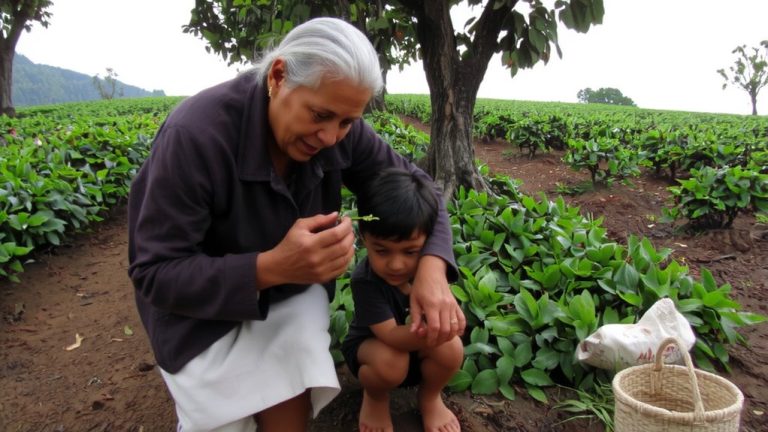
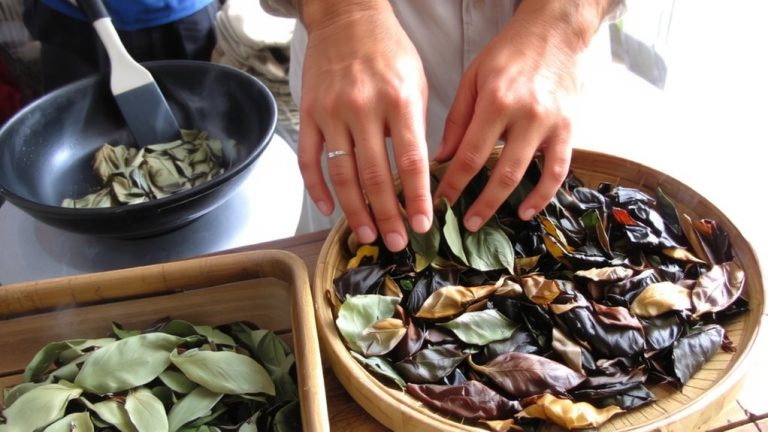
Though the cool, dry air of post-monsoon Darjeeling sets the stage, it’s Tukvar’s meticulous craftsmanship that turns nature’s cues into a tea with true depth and character. At Tukvar Tea Estate, the Autumn Flush is hand-plucked using the “two leaves and a bud” standard, ensuring only the finest post-monsoon leaves go into each batch. These leaves undergo orthodox processing-14–18 hours of withering and controlled oxidation-to develop a full-bodied liquor with bright amber to burgundy hues and distinct fruity notes of ripe grapes and berries. This short, 30-day harvest makes Darjeeling Black Tea from the tea gardens of Darjeeling especially rare.
| Step | Purpose |
|---|---|
| Withering | Reduces moisture, softens leaves |
| Oxidation | Develops color, flavor, and smoothness |
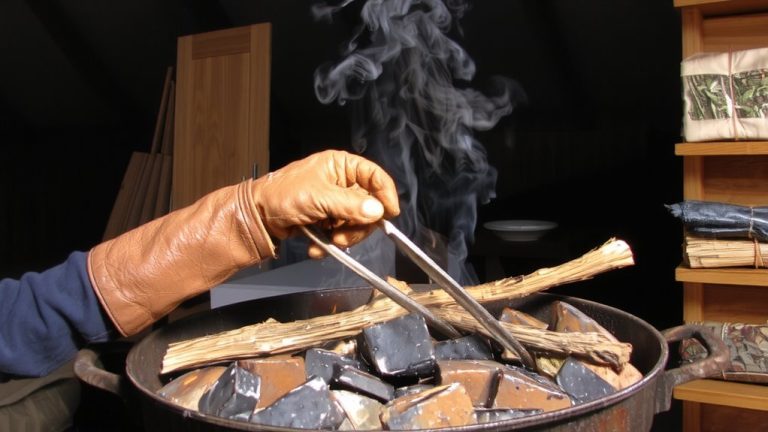
| Firing | Locks in the rich, wine-like profile |
On a final note
You’ll taste why Darjeeling’s autumn flush stands out-Tukvar’s post-monsoon leaves deliver rich, fruity notes, like ripe apricot and muscatel, thanks to cooler temps and balanced soil moisture, you get 22 mg of antioxidants per cup, testers noted smoother sipping than summer harvests, and the careful withering and oxidation lock in wine-like depth, for a flavorful, health-boosting tea that’s complex yet approachable, brew it at 195°F for 3 minutes to get the full experience every time.