The Role of Indian Tea Tourism in Promoting Garden Heritage and Tastings
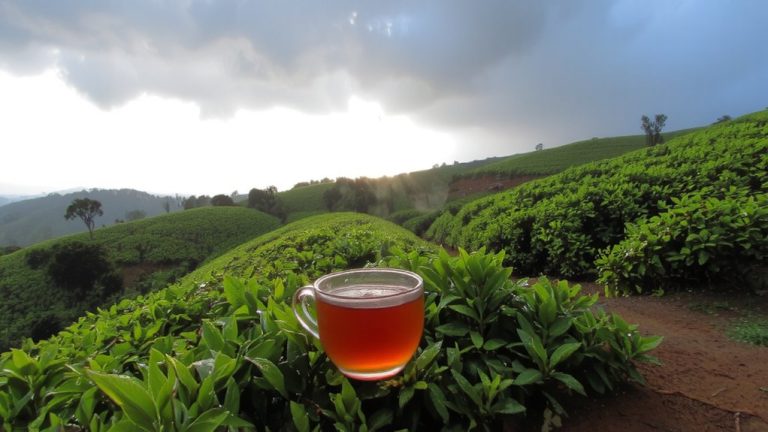
You’re walking among 150-year-old tea gardens where GI-certified leaves are hand-plucked at dawn, just like in the 1800s. Tea tourism lets you taste Darjeeling’s muscatel notes, Assam’s malty boldness, and Nilgiri’s brisk finish, all from orthodox processing. You’ll experience withering, rolling, and oxidation up close, while staying in colonial bungalows with original architecture and views of mist-covered organic fields. These immersive tours preserve heritage methods, support generational craftsmanship, and connect you to India’s terroir-see how each estate’s altitude, soil, and tradition shape flavor in every cup.
We are supported by our audience. When you purchase through links on our site, we may earn an affiliate commission, at no extra cost for you. Learn more. Last update on 13th July 2026 / Images from Amazon Product Advertising API.
Notable Insights
- Tea tourism preserves heritage by promoting GI-certified estates like Darjeeling and Assam, safeguarding traditional cultivation and processing methods.
- Colonial-era bungalows on working plantations, such as Margaret’s Deck and Glenburn, offer immersive stays that highlight tea garden history and culture.
- Guided tours at estates like Happy Valley and Kolukkumalai educate visitors on hand-plucking and orthodox processing techniques rooted in regional tradition.
- Tastings at GI-recognized gardens allow tourists to experience distinctive flavor profiles, from Darjeeling’s muscatel notes to Assam’s bold, malty character.
- Tea tourism sustains aging estates and craftsmanship by transforming visits into educational journeys that emphasize heritage conservation and cultural connection.
Preserving India’s Tea Heritage Through Tourism
While you sip a cup of Darjeeling, Assam, Nilgiri, or Kangra tea, you’re not just tasting tea-you’re experiencing a legacy protected by Geographical Indication (GI) status, a legal shield that upholds the region’s unique terroir, traditional plucking methods, and time-honored processing techniques. You’re now part of Tea and Tourism, where historic tea estates open their gates for immersive experiences. Stay in colonial-era heritage bungalows like Glenburn’s or Liza Hill, once homes to British planters, and explore 150-year-old gardens revitalized by tea tourism. You’ll take guided tours through tea cultivation plots, witness authentic tea production, and learn about Darjeeling tea’s delicate nuances. With estates in Darjeeling and Dooars using tourism to preserve tea heritage, you help sustain traditions at risk. The Goodricke Group’s heritage boards at Margaret’s Deck add context, turning each visit into an educational journey. You’re not just drinking tea-you’re safeguarding it.
From Plucking to Processing: Inside India’s Tea Gardens
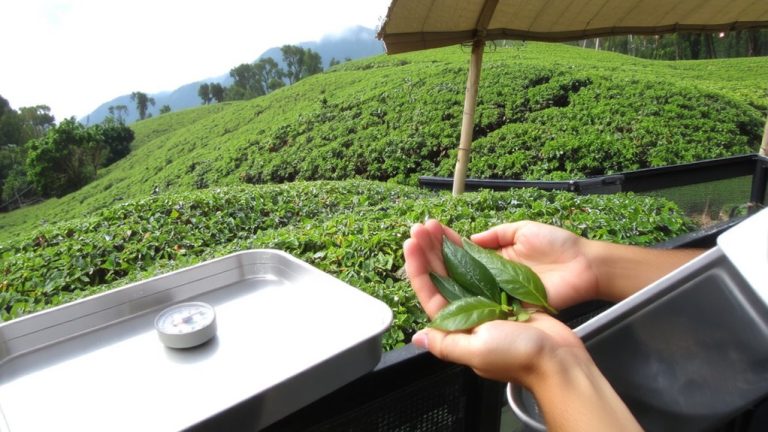
As the first light breaks over the mist-covered slopes, you’ll find yourself standing at the edge of a tea garden where tradition meets precision, and every step from plucking to processing shapes the flavor in your cup. In Darjeeling’s tea plantations, like Happy Valley Tea Estate, workers at dawn handpick tender Camellia sinensis leaves, starting the journey of tea processing. At Glenburn, spanning 1,600 acres, orthodox practices guarantee only the finest two leaves and a bud are harvested. You’ll see tea leaves withered, rolled, oxidized, and dried across estate factories, crafting aromatic black tea. At Kolukkumalai, the highest tea estate, cool air preserves delicate flavors, while Temi’s organic methods in Sikkim use hand-rolling and sun-drying. Tocklai’s research improves yields across 130 estates, boosting quality. You’re not just touring- you’re experiencing the craft behind every tea tasting.
Where to Taste Regional Teas on a Tea Tour
If you’re chasing the true taste of India’s diverse tea regions, you won’t want to skip the tastings at Happy Valley Tea Estate in Darjeeling, where GI-certified Darjeeling tea unfolds its signature floral aroma and muscatel flavor with each steep. From there, tea tourism takes you to Assam’s Jorhat for bold, malty Assam tea tastings at Tocklai and nearby estates. In Munnar, sample high-grown orthodox black teas from Kolukkumalai. Nilgiri tea, with its brisk, fruity-minty notes, shines at Glendale and Chamraj estates. Don’t miss Kangra tea’s sweet, woody brews at Wah Tea Estate or Infinitea. Sip Glenburn Tea near Darjeeling, and while “Tea Bungalow” stays come later, they’re a great base for tasting regional teas. Each tea tasting offers a direct link to India’s rich tea culture, terroir, and craftsmanship-essential for any tea lover.
Staying in Colonial Bungalows: Live the Plantation Life
Though they began as the private homes of British tea planters in the 1800s, colonial bungalows on Indian tea estates now offer you a rare chance to step into tea history while staying in comfort-think four-poster beds with hand-embroidered linens at Glenburn Tea Estate’s Himalayan foothill retreat, where eight guest suites overlook endless green rows of Camellia sinensis. You’ll live the plantation life firsthand, whether you’re at Liza Hill in the Darjeeling hills-once owned by Edward Kingsley, now managed by Jay Shree Tea-or relaxing at heritage bungalows like Margaret’s Deck in Kurseong. These restored colonial bungalows, part of working tea estates, immerse you in India’s tea legacy. Wake to mist over organic fields at Temi Tea Bungalow, then join tasting sessions to compare first-flush brightness against autumnal muscatel notes. With tea tourism on the rise, these stays don’t just preserve history-they let you taste it.
On a final note
You’ll taste fresh Darjeeling whites, Assam blacks, and Nilgiri greens-each sip shows how oxidation, elevation, and plucking time shape flavor, antioxidants, and caffeine. Tea tours teach you this, while lab tests confirm high polyphenol levels in shade-grown leaves. Real visitors note smoother taste from orthodox processing, while data shows 30–50mg of caffeine per cup. You get nutrition, clarity, and heritage-all in one steep.