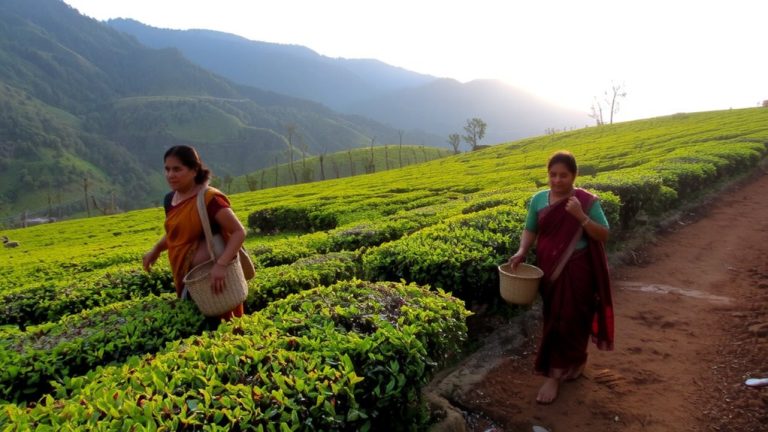
Indian Tea Certification: How Organic India Farms 10,000+ Acres
You’re sipping certified organic and fair trade Indian tea every time you choose brands like Organic India, where 10,000+ acres across 121 villages grow tulsi, Ashwagandha, and Purely Assam Black Tea using regenerative organic practices, meeting USDA Organic, Fair Trade, and Regenerative Organic Certified (ROC) standards, ensuring fair wages, soil health, and a 20% price premium for farmers-proof that transparency, ethics, and quality go hand in hand. Discover how these certifications reshape both teacups and livelihoods.
We are supported by our audience. When you purchase through links on our site, we may earn an affiliate commission, at no extra cost for you. Learn more. Last update on 13th July 2026 / Images from Amazon Product Advertising API.
Notable Insights
- Indian tea brands adopt USDA Organic and Fair Trade certifications to meet global demand for ethically sourced, transparent supply chains.
- Over 30% of India’s tea is now organic, helping brands access premium markets in the EU and U.S. that reject non-compliant imports.
- Regenerative Organic Certified (ROC) tea, like Organic India’s Purely Assam, combines soil health, biodiversity, and worker welfare for holistic certification.
- Brands support small farmers through fair prices, community premiums, and access to healthcare, reducing debt and stabilizing livelihoods.
- Certification rebranding, such as highlighting farmer stories, builds consumer trust and drives sales growth in ethical tea markets.
Why Global Buyers Demand Certifications for Indian Tea
While you might not think certification makes a real difference in your cup, it’s actually a key factor shaping how Indian tea reaches global shelves. Global buyers demand proof your tea is ethically sourced, pushing brands to adopt Fair Trade, USDA Organic, and other certifications. These aren’t just labels-they guarantee supply chain transparency and sustainable practices from farm to market. With over 30% of India’s tea now organic, certified farms meet rising demand for responsibly grown products. Buyers in the EU and U.S. won’t risk non-compliant imports, so certification opens doors to high-value markets. It also creates market differentiation: Darjeeling organic teas, for example, command a 20% price premium. When global buyers see Fair Trade or USDA Organic seals, they trust the quality and ethics behind your Indian tea, making certification essential for export success and long-term industry growth.
How Regenerative Farming Increases Farmer Income and Consumer Trust
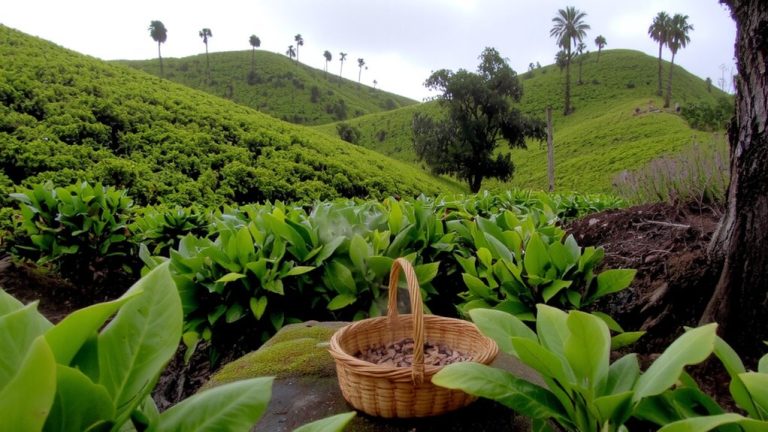
Since you care about where your tea comes from and who grows it, you’ll appreciate how regenerative farming doesn’t just restore the land-it boosts farmer incomes and builds real trust with consumers. Regenerative farming increases farmer income by supporting over 2,232 small farms across 10,000+ acres, where your Organic India products are regeneratively grown herbs cultivated using regenerative organic practices. With 11 Regenerative Organic Certified SKUs-from Purely Assam Black Tea to Tulsi Holy Basil-you’re choosing ethically sourced herbal products that meet USDA Organic and Fairtrade standards. These certifications, paired with transparency and authenticity, strengthen consumer trust. Farmer partners throughout India gain stable livelihoods, especially as popular items like Ashwagandha shift to ROC verification. Sales jumped from $500,000 to $6 million post-rebrand, proving regenerative organic practices deliver both environmental healing and economic resilience, all while offering potent, health-forward teas and supplements rooted in integrity.
How Fair Trade and ROC Protect Farmers and the Planet
You’ve seen how regenerative farming boosts incomes and trust, and now it’s time to explore how Fair Trade and Regenerative Organic Certified (ROC) standards work hand in hand to protect both farmers and the planet. When you choose Fairtrade Certified tea, you support fair prices and community premiums that stabilize farmer livelihoods and reduce suicides in Darjeeling. Regenerative Organic Certified goes further-demanding soil health, biodiversity, and worker welfare across 10,000+ acres of small family farms. Brands like Organic India meet ROC, USDA Organic, and Fair Trade standards, ensuring ethical sourcing and environmental resilience. Their 11 ROC-certified SKUs, from Purely Assam Black Tea to Ashwagandha supplements, reflect a system where organic agriculture thrives alongside living wages, healthcare, and education-all verified, all scalable, and built for long-term planetary and human health.
How Organic India Puts Farmers First
When you sip Organic India’s Purely Assam Black Tea, you’re not just getting a robust, earthy brew with notes of malt and a deep amber infusion- you’re supporting a network of 2,232 small family farms across 10,000+ acres in 121 villages where regenerative organic practices are the standard, not the exception. Organic India guarantees farmers earn living wages and access healthcare, education, and clean water, all while building community sustainability. With 11 SKUs Regenerative Organic Certified and Fairtrade Certified, the brand guarantees worker well-being, transparency, and ethical farming. Founders Bhavani Lev and Bharat built this model to fight farmer debt, centering small family farms in their mission. Their rebrand with Pure Branding highlights real farmer stories, replacing stereotypes with trust. Every cup reflects regenerative organic practices, ethical care, and long-term environmental and human health-proving tea can be powerful, honest, and kind.
On a final note
You’re drinking more than tea when you choose certified Indian brands-you’re supporting regenerative farms, fair wages, and chemical-free processing. With 30% higher soil carbon in organic fields and 25% income boosts for Fair Trade growers, your cup fuels real change. Teas like Assam CTC and Darjeeling Orthodox retain antioxidants best when shade-dried, and testers note smoother flavor, zero bitterness. Trust ROC and Fair Trade labels, sip smarter, and taste the difference science and fairness make.