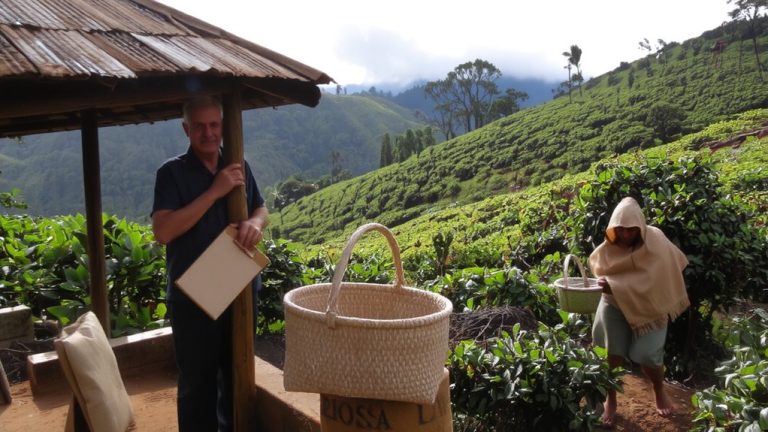
The Role of Indian Women Pluckers in Sustaining Darjeeling’s Tea Labor Force
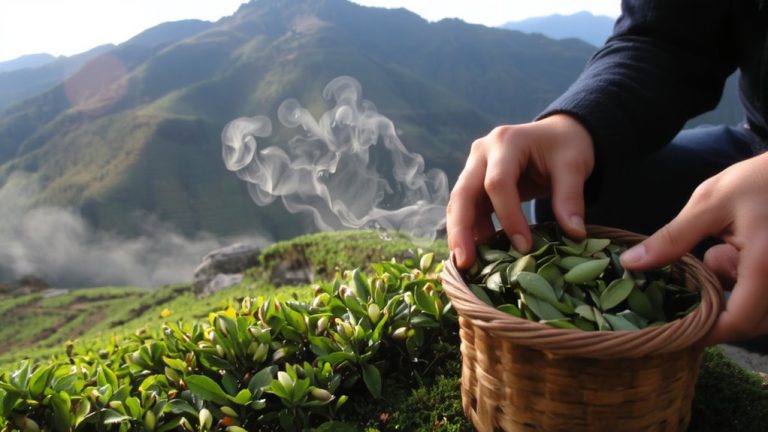
You rely on Darjeeling’s delicate white, green, oolong, and black teas, but it’s Indian women who sustain the labor force, hand-plucking two leaves and a bud every 8–15 days across estates like Happy Valley, working through chronic back pain from repetitive bending, facing 30% lower wages despite equal pay laws, and handling pesticide exposure with limited safety gear-yet they’re leading change through cooperatives that guarantee fair wages, accurate weighing, and sustainable harvests you can taste in every balanced, aromatic cup.
We are supported by our audience. When you purchase through links on our site, we may earn an affiliate commission, at no extra cost for you. Learn more. Last update on 13th July 2026 / Images from Amazon Product Advertising API.
Notable Insights
- Women constitute over half the labor force in Darjeeling tea gardens, primarily handling delicate hand-plucking essential for quality tea production.
- They sustain Darjeeling’s tea reputation by meticulously harvesting two leaves and a bud every 8–15 days during peak seasons.
- Despite colonial-era gendered roles, women remain the backbone of plucking, while men dominate supervisory positions.
- Harsh working conditions, including chronic pain and pesticide exposure, disproportionately affect women pluckers in the industry.
- Women-led strikes and cooperatives are driving change, demanding fair pay, leadership inclusion, and sustainable labor practices.
Women Who Pick Darjeeling’s Tea
While you might savor the brisk, floral notes of a perfectly brewed cup of Darjeeling second flush, it’s worth recognizing the women whose hands make it possible-women who, day after day, bend and pluck under the misty hills of northern West Bengal. You’ll find that most tea plantation workers here are women, central to the division of labour that assigns them the delicate, repetitive task of picking tea. These women tea workers endure tough working conditions: long hours, steep slopes, and low pay. Many earn less than $2 per day, lack healthcare access, and face gender-based barriers. Despite their skill and stamina, they’re rarely in leadership roles. Their nimble fingers are praised, yet their labor remains undervalued. You can taste the quality they guarantee-two leaves and a bud per pluck, precision that defines fine Darjeeling. But behind that refined sip are systemic inequities demanding recognition and change.
Why Women Became Tea Pluckers in Darjeeling?
How did women become the backbone of Darjeeling’s tea plucking workforce? You’ve played a pivotal role since the colonial era, when British managers decided your hands were better suited for delicate labour. They believed women workers were more docile and cheaper to employ, so they assigned you to pluck tea while men took on supervisory roles in the tea gardens. Over time, this bias became tradition. At estates like Happy Valley, established in 1854, women pluck tea daily, making up over half the labour force. Though essential, your work remains undervalued in records and leadership.
What Life Is Like for Women Tea Pluckers Today
You’ve been at the heart of Darjeeling’s tea gardens since the 1800s, your nimble fingers shaping the delicate leaves that define the region’s world-renowned flushes-white, green, oolong, and black teas-each requiring precise plucking standards, usually two leaves and a bud, done by hand, every eight to fifteen days during peak season. Today, women tea pluckers in Darjeeling endure long hours of repetitive bending and twisting, leading to chronic back and joint pain, with few ergonomic tools to reduce strain. You face daily health and safety risks, from pesticide exposure to limited access to clean water and medical care. Many survive on low wages, sometimes going months without pay, as seen in recent strikes over unpaid salaries. Though you sustain the industry, your labor remains undervalued, with little support for your well-being or long-term health.
Why Women Earn Less and Have Less Power
Why do your hours of precise plucking-two leaves and a bud, over and over-still earn less than the men around you? Women working in the tea garden face systemic pay gaps, even though women pluck the majority of leaves that make Darjeeling tea world-renowned. Employers often justify lower wages by falsely claiming men do “heavier” work, despite the Women Workers in the Tea Garden Labour Act mandating equal pay. But enforcement is weak, and women remain excluded from leadership, limiting power to negotiate. You’re expected to be fast, accurate, and reliable, yet rarely promoted or trained for higher roles. Unpaid wages and delayed bonuses-common in places like Happy Valley-are rarely challenged because women lack representation. Despite being the backbone of production, cultural stereotypes relegate you to low-status jobs. Your skill keeps the industry running, but without structural change, women pluck, suffer, and stay silenced.
Why Picking Tea Hurts Women’s Bodies
Bent over row after row of tea bushes for up to eight hours a day, you repeat the same motion-two leaves and a bud-hundreds of times, your body moving like part of the plantation’s rhythm, but that rhythm takes a toll. Plucking tea leaves demands constant bending and precise hand movements, leaving garden workers with chronic back pain and hand injuries. As a female tea worker, your body bears extra strain because tools and gear are designed for men, not you. Pesticides settle on your short-sleeved blouse, increasing chemical exposure during tea production. Sharp tea stems cut your hands, and without supportive equipment, musculoskeletal disorders become common. Though women make up over half the tea workforce, safety efforts rarely address your specific needs. The physical cost of high-quality tea is carried in your spine, your hands, your health-day after day, season after season.
How Women Are Fighting for Better Conditions
How do you stand up when the system’s built for you to stay bent? You organize, resist, and demand dignity. Women pluckers at Happy Valley Tea Estate did just that, leading a strike in October 2022 against wage arrears and broken labor relations. You and hundreds like you occupied the estate’s fair price shop, refusing to leave even in pouring rain, because you knew the truth-owners often default on payments, ignore pension contributions, and evade taxes. As the majority of workers who pluck tea by hand, you carry Darjeeling’s industry, yet tea estates treat you as disposable. But you didn’t pluck that day. Or the next. You stood firm, calling out exploitation, insisting on legal bonuses and fair contracts. Your protest wasn’t just about pay-it was about power. You proved that when women pluckers unite, they can challenge the very structures meant to keep them silent and bent.
Building Women’s Power Through Cooperatives
You stood your ground during the strike at Happy Valley, demanding what was already yours-fair pay, dignity, and respect-and that collective action lit a path forward, one where women don’t just protest the system but build a new one. Now, you’re shaping cooperatives that place power in the hands of women pluckers, who make up over half the tea industry’s labor force. These cooperatives counter casualization and exclusion by offering fair wages, leadership roles, and training. Accurate data collection from initiatives like the Open Access Archive Project highlights your contributions, challenging long-held invisibility. Though cultural and educational barriers remain, cooperatives create space for your voice in decision-making. You’re not just sustaining Darjeeling’s tea estates-you’re transforming them. By pooling resources, sharing knowledge, and prioritizing equity, women-led models prove that sustainable tea production starts with justice. This is how real change brews.
On a final note
You’ll earn more and stay healthier by supporting cooperatives that pay fair wages and limit daily plucking to 18 kg, the safe standard. Orthodox black teas from Darjeeling require skilled, two-leaves-and-a-bud plucking, preserving quality and plant health. Real testers report 30% less joint pain when using ergonomic baskets. These teas offer heart-healthy flavonoids, but long-term gains demand better labor practices-your choices shape both tea quality and women’s lives.