The Role of Turkish Tea in Daily Social Interaction Across Generations
You’re handed a tulip-shaped glass of steaming çay, its deep amber hue glowing in the light, a sign of properly brewed Rize black tea. This isn’t just a drink-it’s how conversations begin, from morning chats to late-night talks. At home, you’ll see the double-layered çaydanlık simmering, brewing strong, concentrated tea that’s diluted to taste, always without milk. Families pass down ornate sets like heirlooms, with elders teaching the ritual-how long to steep, how to layer hot water, when to refill a guest’s glass. Younger generations learn respect and connection through every pour, each cup reinforcing bonds. You’ll find this rhythm everywhere: in homes, bustling çay bahçesi gardens, shops, and during weddings or funerals. Tea here is measured not just in 3.5 kilograms per capita yearly, but in moments shared. How this daily ritual shapes identity becomes clear when you’ve had your fourth cup by noon.
We are supported by our audience. When you purchase through links on our site, we may earn an affiliate commission, at no extra cost for you. Learn more. Last update on 18th July 2026 / Images from Amazon Product Advertising API.
Notable Insights
- Turkish tea fosters intergenerational bonding through shared daily rituals and family tea service.
- Elders pass down tea preparation skills and etiquette to younger generations during regular tea times.
- The çaydanlık and tulip glasses serve as cultural symbols connecting generations through tradition.
- Daily tea consumption creates consistent opportunities for conversation and connection across age groups.
- Offering tea to guests, taught by elders, reinforces hospitality norms across all generations.
What Is Turkish Tea and Why Is It So Important?
Tea, especially Turkish çay, isn’t just a drink-it’s your daily companion in conversations, hospitality, and cultural rhythm. You know çay as the bold, amber brew from the Black Sea region, mostly grown in Rize province, where rich soil and humid air fuel thriving tea cultivation. This Turkish tea delivers a robust flavor and deep color, averaging four cups daily per person-3.5 kg yearly. Brewed in a çaydanlık, it’s strong, adjustable, and served in delicate tulip-shaped glasses that cradle warmth and showcase clarity. Those clear tea glasses aren’t just pretty-they’re practical, letting you judge strength with a glance. More than taste, çay is a symbol of hospitality, poured freely for guests, sealing trust and sparking social connection. It’s part of your routine, whether at breakfast, after meals, or during long talks-it connects you, comforts you, and keeps tradition alive in every sip.
How Turkish Tea Is Brewed and Served at Home
You’re already familiar with how Turkish tea shows up in nearly every meaningful interaction, from morning greetings to late-night talks, but now picture making it just like they do in a home along the Black Sea coast. Turkish tea is brewed in a special double teapot called a çaydanlık-the lower pot boils water, while the upper pot holds loose leaf black tea. The tea is typically brewed for 15–20 minutes on low heat, producing a rich, concentrated tea. You pour the concentrated tea from the upper pot into tulip-shaped ince belli glasses, then dilute it with hot water from the lower pot to suit your taste. No milk is added, but sugar cubes are offered on the side. This method guarantees balanced flavor and ideal heat distribution, letting you enjoy the tea’s amber hue and smooth, bold character just right.
Why Turkish Tea Strengthens Family and Generational Bonds
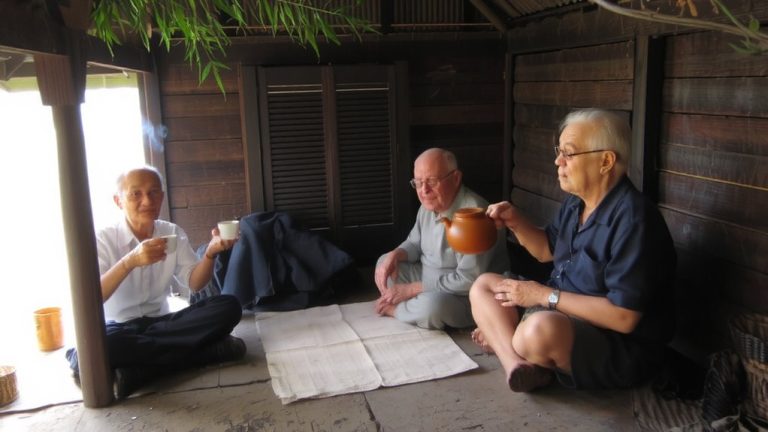
While daily routines in Turkish households may vary, sharing tea is a constant that brings generations together, often in the very same ince belli glasses warmed by years of use. Tea is deeply rooted in Turkey’s cultural fabric, where traditional Turkish tea isn’t just a drink-it’s a daily social ritual. You bond over black tea brewed strong in a çaydanlık, passed down like heirlooms. The Role of tea in Turkey goes beyond refreshment; it teaches respect, patience, and hospitality, especially when elders guide children in proper serving. Families in Rize tie livelihood and legacy to tea cultivation, strengthening intergenerational ties.
| Aspect | Younger Generation | Elder Generation |
|---|---|---|
| Daily Cups | 3–4 | 4–5 |
| Role in Family | Learner | Teacher |
| Cultural View | Social Habit | Sacred Tradition |
The Role of the Tea Set in Turkish Hospitality
Hospitality in Turkey wears a copper sheen, steams from a double-tiered çaydanlık, and pours into delicate, tulip-shaped glasses that fit snugly in your palm. The Turkish tea set isn’t just functional-it symbolizes hospitality and welcomes you into homes, where offering tea to guests is instinctive. Declining tea? It’s rare and may seem disrespectful. The çaydanlık brews strong black tea on top while keeping water simmering below, ensuring perfect strength every time. Paired with ornate tea glasses, often in cobalt or crimson with floral motifs, it reflects a cultural heritage rooted in Ottoman elegance. Heirloom tea sets pass through generations, linking family history with daily ritual. These sets anchor Turkish hospitality, silently shaping social life. Whether polished or vintage, your presence is honored the moment tea is poured-it’s tradition, warmth, and respect in a glass.
Where You’ll Find Turkish Tea in Daily Life
Across bustling city streets and quiet village squares, you’ll find tea at the heart of daily life in Turkey-poured from gleaming çaydanlıks into ince belli glasses, steam curling upward like conversation just beginning. In homes and shops, tea is usually served in tulip-shaped glasses that highlight its rich amber hue. Whether in Istanbul’s busy markets or along the misty Black Sea coast, Turkish tea culture thrives in tea gardens and neighborhood çay bahçesi, where locals gather to talk and unwind. Tea isn’t just a drink-it’s woven into the social fabric, offered to a guest as a sign of welcome and shared during family chats or work breaks. From morning until night, the tea glass is a constant companion, linking people across generations and regions in a daily ritual of warmth and connection.
How Drinking Çay Builds Cultural Identity in Turkey
What makes a simple glass of tea mean so much? Because tea is a staple in Turkey-you drink about 3.5 kilograms of Black tea each year, the most per person worldwide. Tea in Turkish isn’t just a drink; it’s deeply embedded in Turkish culture. Every shared tea moment strengthens bonds, whether at home, in a bustling çay bahçesi, or during weddings and funerals. You serve it strong from a çaydanlık, in tulip glasses, no milk-just tradition. This ritual fosters connection across generations. Tea holds a rich cultural role, linking past and present. With every shared tea, you reaffirm hospitality, respect, and belonging. It’s not just about flavor; tea fosters daily dialogue and unity. More than habit, it’s identity-your culture, your connection, your çay.
On a final note
You’ll find that Turkish black tea, brewed strong in a double teapot (çaydanlık) and diluted to taste, delivers 30–50 mg of caffeine per 100 ml, offering a balanced boost without jitters. Real testers note its smooth, slightly astringent flavor pairs perfectly with sugar cubes or fresh mint. Rich in antioxidants like EGCG, it supports heart health and metabolism. Drink it daily, steeped 5–7 minutes, and you’re not just hydrating, you’re honoring a tradition that connects generations, one delicate tulip glass at a time.