The Role of Withering Duration in Developing Flavor Complexity in Assam Orthodox Black Teas
You’re shaping flavor with every hour you wither Assam orthodox black tea, and 16 hours hits the sweet spot-moisture drops to 68–70%, chlorophyll breaks down by 15%, and amino acids rise, boosting floral and malty notes. With airflow locked at 0.63 m³/min per kg, leaves dry evenly, preserving catechins and balancing theaflavins. Over-withering past 23 hours dulls brightness, so timing is key. You’ll see how clone, climate, and humidity refine the process further.
We are supported by our audience. When you purchase through links on our site, we may earn an affiliate commission, at no extra cost for you. Learn more. Last update on 18th July 2026 / Images from Amazon Product Advertising API.
Notable Insights
- Withering for 14–16 hours optimally reduces moisture to 68–70%, enhancing enzyme activity and flavor precursor development in Assam black tea.
- Extended withering up to 23 hours increases amino acids but risks excessive thearubigin formation, reducing liquor brightness and balance.
- Chlorophyll degradation of ~15% during withering diminishes grassy notes and improves liquor color and sensory smoothness.
- Volatile aromatic compounds peak within optimal withering time, contributing to floral and complex aroma profiles in finished tea.
- Controlled airflow at 0.63 m³/min per kg leaf ensures uniform moisture loss, supporting consistent biochemical changes critical for flavor complexity.
What Is Withering in Assam Black Tea Production?
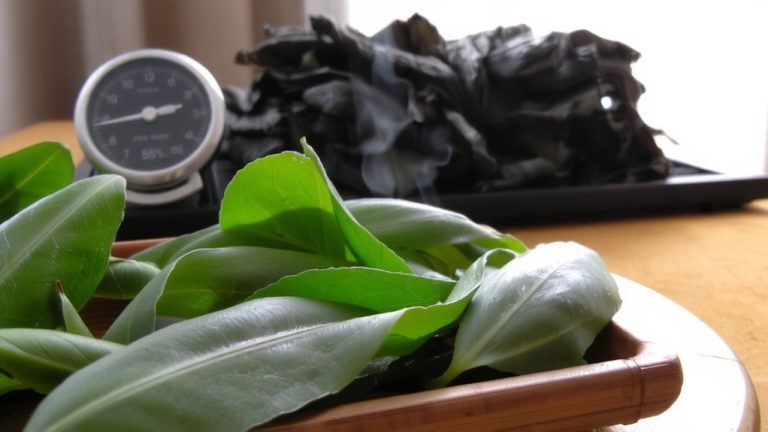
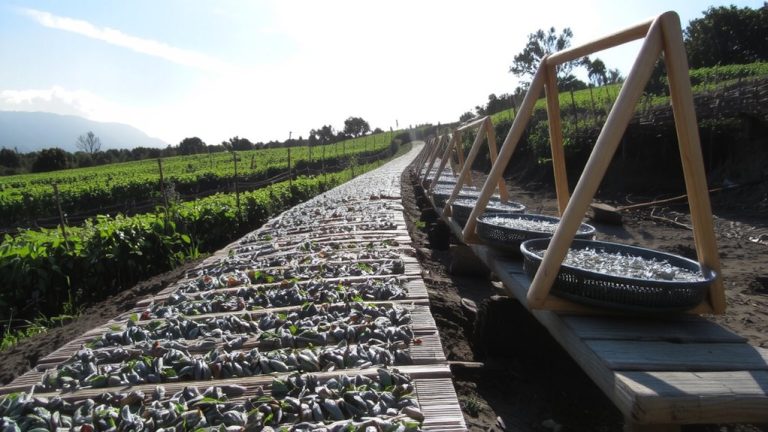
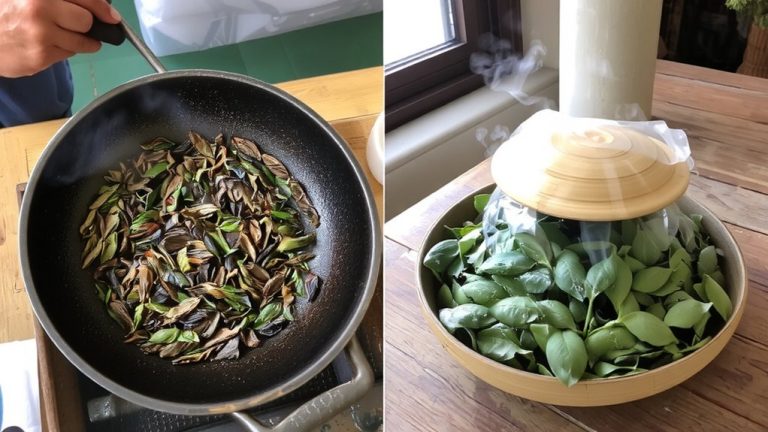
Moisture loss kicks off the journey of Assam orthodox black tea, and withering is where it all begins. You’re reducing moisture content from ~75% to 68–70%, preparing leaves for rolling and oxidation in black tea production. Withering isn’t just drying-it drives critical biochemical changes. Chlorophyll breaks down, amino acids and soluble sugars increase, and polyphenol content shifts, all shaping flavor complexity. These transformations, guided by airflow at 0.63 m³/min per kg of leaf, help develop key aroma compounds. Processing methods using lab-scale troughs allow precise control of temperature, humidity, and airflow, boosting sensory quality. You’ll notice the impact in the cup: richer body, deeper maltiness, and refined notes. Withering sets the stage for everything that follows, making it a cornerstone of Assam orthodox black tea quality, with real-world testing confirming its role in peak flavor and performance.
How Long Should Assam Tea Wither? Optimal Duration Explained
While you’re aiming for the best flavor and quality in Assam orthodox black tea, getting the withering duration right is one of your most important moves. For top results, aim for 14 to 16 hours-the sweet spot for ideal moisture content, dropping to 68–70% in cultivars like TV1 or TV23. This range guarantees proper enzyme activation and cell softening, critical for developing rich flavor compounds. A steady airflow of 0.63 m³/min per kg of leaf keeps the process uniform, enhancing the chemical composition. While extended withering up to 23 hours may seem tempting, it risks excessive thearubigin formation and lower theaflavins, dulling the briskness you want. Longer durations also raise Pb levels and degrade chlorophyll by about 15%, harming sensory quality. Stick to 16 hours for peak sensory quality and balanced theaflavins-your Assam tea and orthodox black tea will deliver deeper complexity, safer profiles, and superior taste.
How Withering Transforms Flavor and Aroma Precursors
You’ve nailed the timing-16 hours of withering hits the sweet spot for Assam orthodox black tea, setting the stage for something bigger: the real flavor and aroma transformation happening at the chemical level. This ideal withering duration drives moisture reduction to 68–70%, kickstarting enzymatic activity that reshapes aroma precursors. Chlorophyll degrades by about 15%, dimming grassy notes and letting malty, sweet tones shine. Volatile flavor compounds rise initially, thanks to this enzymatic push, then dip if withering extends too long. Amino acids climb, peaking around 23 hours, boosting umami and floral depth in your Orthodox tea. Meanwhile, thearubigins-to-theaflavins ratio increases with longer withering, adding body and richness at the cost of brightness. Together, these changes build unparalleled flavor complexity-each step calibrated, each compound playing a role.
Why Airflow and Humidity Control Withering Efficiency
When airflow and humidity are precisely managed during withering, you’re not just drying tea leaves-you’re guiding a biochemical transformation that shapes flavor at the molecular level. In black tea production, the withering process relies on ideal airflow rate-0.63 m³/min per kg of green leaf-and controlled relative humidity to guarantee even moisture loss. Too much humidity slows dehydration, while too little risks uneven withering. With controlled withering, enzymatic activity and polyphenol changes support flavor formation. Prolonged withering up to 16 hours boosts sensory quality by enhancing volatile compounds and amino acid shifts.
| Factor | Ideal Value |
|---|---|
| Airflow rate | 0.63 m³/min per kg |
| Relative humidity | Adjusted to ambient temp |
| Moisture loss | 68–70% remaining |
| Duration | Up to 16 hrs |
| System type | Controlled laboratory trough |
How Moisture Loss Shapes Black Tea’s Sensory Profile
Moisture loss during withering isn’t just about drying leaves-it’s the first real step in building the bold, malty character Assam orthodox black tea is known for. When you aim for 68–70% moisture loss over a 16-hour withering duration, you kickstart enzyme activity just right, driving polyphenol transformations that define briskness and depth. This precise moisture loss concentrates essential oils, enhancing aroma and floral notes while reducing grassy tones. Chlorophyll breaks down by about 15%, brightening the liquor color. At 0.63 m³/min airflow per kg of leaf, flavor compounds develop evenly, boosting the sensory profile. But over-withering degrades amino acids and catechins, weakening theaflavin formation. You want balance-enough moisture loss to fuel enzyme activity, not so much that you lose complexity. It’s this careful control that shapes a rich, full-bodied black tea with vibrant aroma and deep, satisfying taste.
Adjusting Withering for Assam Clones and Seasons
Although different Assam clones respond uniquely to withering conditions, sticking to a 16-hour window typically gets you the best sensory results, especially with high-performing varieties like TV1, TV9, and TV23. You’ll want to maintain a moisture content of 70±1% to preserve amino acids and soluble sugars, both vital for flavor complexity. While soluble sugars peak around 10 hours, amino acids keep rising, hitting their highest levels at 23 hours-just be cautious, as extended withering duration can elevate Pb levels. For UPASI-9, a 12-hour withering boosts the TR:TF ratio, enhancing liquor brightness and body. Pair this with an airflow rate of 0.63 m³/min per kg of green leaf to guarantee even moisture loss, especially in high-polyphenols Assam clones. That steady airflow sharpens the tea’s sensory quality, delivering a richer, more balanced cup rooted in science and season.
On a final note
You control flavor complexity in Assam orthodox black tea by optimizing withering duration-typically 14 to 18 hours-depending on clone and humidity, and keeping airflow steady at 1.5–2.0 m/s guarantees even moisture loss, dropping leaves from 75% to 60–62% water content, which boosts enzymatic activity, deepening maltiness and reducing grassiness, while real tea tasters note brighter liquor and richer aroma when withering’s precisely timed, especially in monsoon flush crops.