How Partial Oxidation Creates the Spectrum From Jade Oolong to Dark Roasted Dong Ding
You get light, floral jade oolongs like Baozhong when oxidation stays at 10–15%, preserving fresh, grassy notes and pale green liquor. Push oxidation to 30–50% and add charcoal roasting, like with Dong Ding, and you develop honeyed, nutty depth with golden to amber liquor. Longer oxidation and roasting create richer, spiced flavors, reduced astringency, and deeper color. Heat-fixing stops enzyme action, locking in the profile. Try brewing lightly oxidized oolongs at 85°C for 1–2 minutes, while heavier styles need 100°C and longer steeps to shine-discover how each step shapes your cup.
We are supported by our audience. When you purchase through links on our site, we may earn an affiliate commission, at no extra cost for you. Learn more. Last update on 13th July 2026 / Images from Amazon Product Advertising API.
Notable Insights
- Partial oxidation from 10% to 80% transforms oolong tea’s flavor, bridging green and black tea characteristics.
- Light oxidation preserves fresh, floral notes in jade oolongs like Baozhong, with minimal enzymatic browning.
- Moderate oxidation (30–50%) develops golden liquor and fruity complexity in Dong Ding oolong.
- Heavy oxidation (60–70%) enhances terpenes and reduces catechins, yielding rich, spiced, low-astringency profiles.
- Roasting after oxidation adds toasty depth, stabilizes the leaf, and differentiates dark roasted Dong Ding from lighter styles.
What Is Oolong Tea Oxidation?
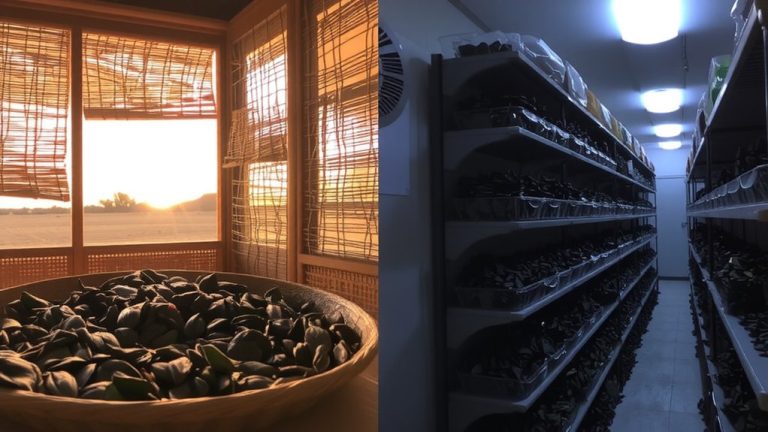
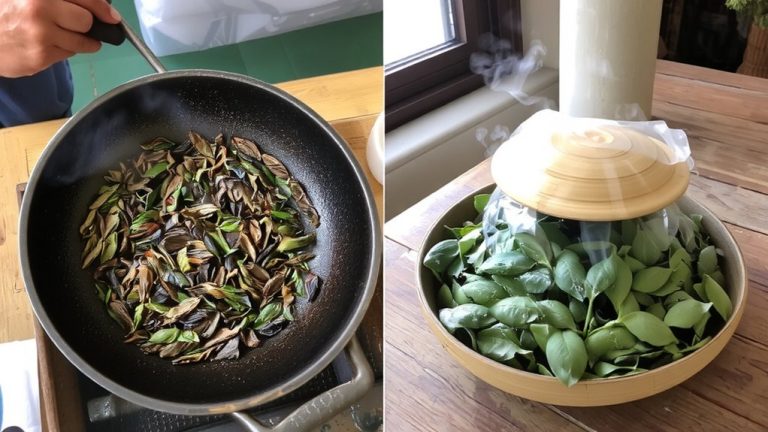
While oxygen might seem like just another element, it’s actually the key player in shaping the flavor of your oolong tea, transforming simple leaves into complex, layered brews through a process called oxidation. Oolong undergoes partial oxidation, a deliberate chemical reaction where enzymes in bruised tea leaves react with oxygen, altering their structure. This oxidation process ranges from 10% to 80%, placing oolong between green and black tea in oxidation levels. Lightly oxidized oolongs, like Baozhong, keep fresh, grassy notes, while heavily oxidized versions, such as Dong Ding, develop rich, fruity depth. The oxidation process is stopped by heat-fixing, locking in color and flavor profiles. You can expect floral, young fruit, or ripe fruit aromas depending on how far oxidation progresses. It’s precise control over this reaction that gives oolong its signature complexity.
How Oxidation Shapes Oolong Flavor
Because oxidation level directly shapes the chemical makeup of oolong, you can expect dramatically different flavors just by adjusting how much the leaves are exposed to air. With light oxidation (10–30%), your oolong tea retains chlorophyll and amino acids, giving you bright, floral notes and fresh, vegetal tones like a green tea. As oxidation increases, polyphenols transform-especially in partially oxidized oolongs like Dong Ding (40–60%)-unlocking deeper flavor: think honey, nuttiness, and ripe stone fruit. Heavier oxidation (60–70%), as in Oriental Beauty, boosts terpene production, delivering peach, spice, and dried fruit complexity. Catechins break down during deep oxidation, reducing astringency and yielding rounded, rich profiles. While roasted notes develop later in processing, oxidation alone steers aroma from green bud to flower to ripe fruit. Every step fine-tunes your cup’s character, making oxidation the core driver of oolong tea’s diverse sensory journey.
How Roasting Deepens Oolong’s Taste
If you’ve ever sipped a charcoal-roasted Dong Ding and noticed its smooth, toasty depth, you’ve tasted the magic of roasting-where heat transforms oolong’s raw character into something richer and more complex. Roasting oolong, especially heavily oxidized types like traditional Tie Guan Yin or Dong Ding, triggers Maillard reactions and caramelization, turning amino acids and sugars into deep, savory flavors. Charcoal roasting, done in rounds over weeks, slowly chars the leaf surface while preserving inner complexity, yielding a heavy roast with bold, sustained notes. This process reduces moisture by 3–5%, stabilizing the tea for aging. Unlike light oolongs like Baozhong, which skip intense roasting to retain floral tones, Dong Ding’s extended charcoal roasting mutes vegetal sharpness, enhancing mouthfeel and delivering a warm, toasty finish shaped by both oxidation and skilled fire.
What Oolong Color Says About Oxidation
Color tells the story of oolong’s journey from leaf to cup, and you can read it like a roadmap to flavor. When oolong teas undergo oxidation, the leaves are exposed to air, and oxidation occurs-triggering chemical changes that deepen color and flavor. A lightly rolled green oolong with pale jade liquor has only 10–20% oxidation, preserving fresh, grassy notes. As oxidation increases, golden-yellow hues emerge, then rich amber to dark amber in highly oxidized versions. Red hues in the leaf or broth signal advanced oxidation, often found in red oolong styles.
| Liquor Color | Oxidation Level | Flavor Vibe |
|---|---|---|
| Pale green | 10–20% | Crisp, floral |
| Golden-yellow | 30–50% | Fruity, honeyed |
| Amber | 60–70% | Deep, spiced |
| Dark amber | 70–80% | Ripe, cocoa-like |
Oolong in Taiwan: From Baozhong to Dong Ding
Taiwan’s oolong teas offer a masterclass in how oxidation and roasting shape flavor, starting with Baozhong as the lightest expression-just 10–15% oxidized, unfurling with delicate floral and green bean notes, and pouring a pale jade liquor that drinks like a crisp spring morning. You’ll find this lightly oxidized oolong grown near Taipei, its leaves twisted rather than rolled, delivering fresh, aromatic sips with minimal roast. Moving inland to Nantou, Dong Ding stands out as moderately oxidized, typically 30–50%, with tightly rolled leaves that unfurl slowly. Traditionally roasted over charcoal, Dong Ding develops a deeper amber liquor, brisk body, and layered finish-floral notes transform into toasted warmth. In Taiwan, over 90% of tea production is oolong, showcasing a clear range from Baozhong’s subtlety to Dong Ding’s roasted complexity, each shaped by precise oxidation and craftsmanship.
Brewing Tips by Oolong Oxidation Level
Though oxidation level plays a starring role in shaping an oolong’s flavor, getting the brew just right means matching your water temperature and steep time to the tea’s roast and structure-think of it like cooking a delicate fish versus a hearty root vegetable. For lightly oxidized oolongs like Baozhong, use 85–90°C water and a short steeping time (1–2 minutes) to preserve their light green color and floral notes; too hot or too long and you’ll get bitterness. Medium oxidation teas, such as High Mountain oolong, open best at 90–95°C with 2–3 minute steeps, revealing creamy, fruity depth. Dong Ding, with its roasted edge and medium to heavy oxidation, thrives on 95°C hot water and short steeps for balanced multiple infusions. Heavily oxidized, roasted oolongs? Go bold with 100°C and steep up to 5 minutes-these robust leaves yield rich, savory-sweet layers.
On a final note
You control the flavor by how much you oxidize and roast the leaves, from light jade oolong at 15–20% oxidation to dark roasted Dong Ding at 60–70%. Higher oxidation means richer, sweeter notes; roasting adds depth and smoothness. These teas offer antioxidants like EGCG, with 20–30 mg per 8 oz cup. Use 195°F water, steep 3–5 minutes, and expect 3–5 infusions. Testers note darker oolongs soothe digestion, while greener ones boost alertness-perfect for any routine.