Artisanal Sun-Withering Versus Indoor Climate-Controlled Withering in Phoenix Dancong Oolongs
You’ll taste brighter florals and deeper honeyed notes when Phoenix Dancong leaves undergo sun-withering, with 20–40 minutes of misty mountain sunlight boosting linalool and aromatic complexity by up to 30%. Indoor withering at 20–25°C guarantees consistency, reducing moisture from 75% to 60–65% without weather risks. Sun-withered teas deliver richer mouthfeel, more sweetness, and layered profiles, while indoor methods can taste greener, flatter. Masters often blend both-starting with sun exposure, then finishing indoors-to balance aroma and reliability. There’s more to how this balance shapes your cup.
We are supported by our audience. When you purchase through links on our site, we may earn an affiliate commission, at no extra cost for you. Learn more. Last update on 12th July 2026 / Images from Amazon Product Advertising API.
Notable Insights
- Sun-withering enhances floral and fruity aromas by increasing volatile compounds and terpene levels in Phoenix Dancong leaves.
- Indoor withering ensures consistent oxidation under stable 20–25°C and 60–70% humidity, reducing weather-related risks.
- Sun-exposed leaves develop richer mouthfeel and sweeter aftertaste due to elevated polyphenols and amino acids.
- Climate-controlled withering yields greener, more astringent tea with less aromatic complexity than sun-withered batches.
- Hybrid withering combines brief sun exposure with indoor control to balance aroma depth and production reliability.
What Is Withering in Phoenix Dancong Oolong?
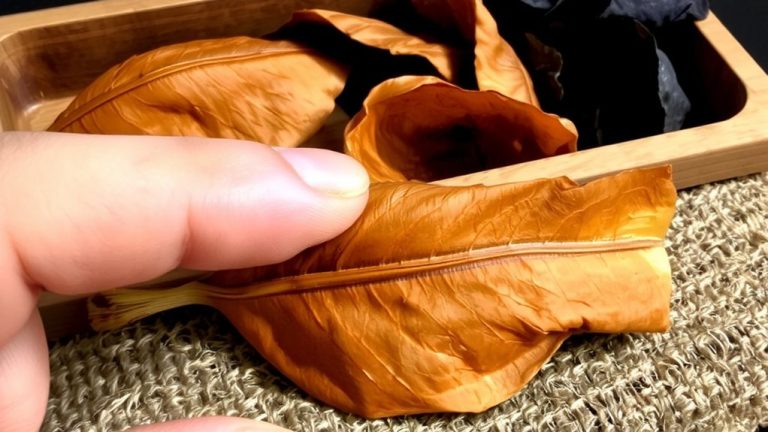
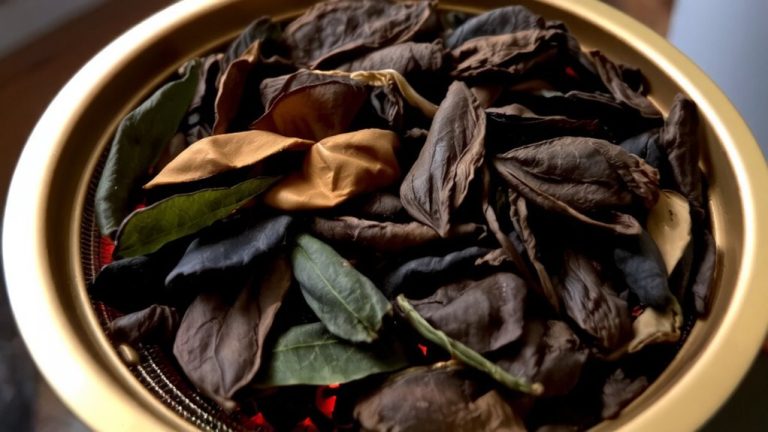
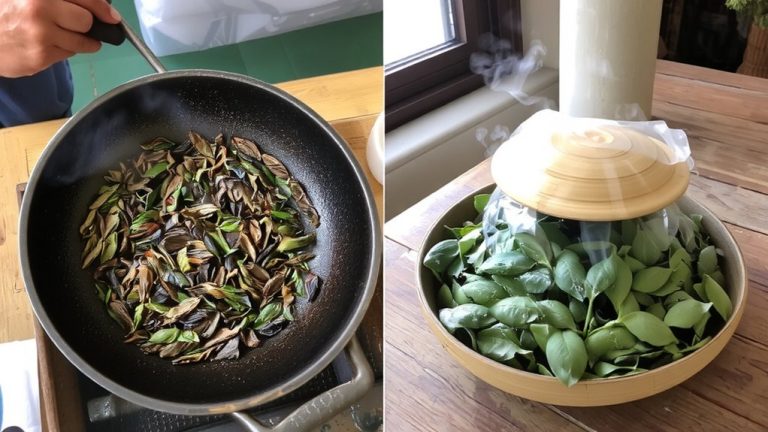
When you’re working with freshly picked Phoenix Dancong oolong leaves, the first thing you’ll need to address is withering, the critical step that drops moisture from about 75% down to 60–65%, softening the leaves so they can handle rolling without breaking. This early reduction in moisture content kickstarts enzymatic oxidation, shaping the tea’s final flavor. In Chaozhou, artisanal tea processing often favors sun-withering, where fresh tea leaves bask in sunlight for 20–40 minutes, boosting floral notes and aroma precursors. When weather’s unreliable, indoor withering in climate-controlled troughs-set to 20–25°C and 60–70% humidity-takes over, running 8–12 hours for even results. Whether you choose sun-withering or indoor withering, both methods prepare the leaves for oxidation while preserving the delicate character that makes Phoenix Dancong stand out.
How Sun-Withering Builds Aroma and Complexity
You’re already aware that withering sets the stage for oxidation and leaf flexibility, but what really elevates the aroma in Phoenix Dancong is sun-withering, a method steeped in tradition and backed by chemistry. Sun-withering exposes leaves to natural sunlight, boosting volatile aromatic compounds by up to 30%. This accelerates the oxidation process while concentrating essential oils that define Phoenix Dan Cong Oolong Tea’s character. On the misty peaks of Chaozhou, where humidity and altitude soften solar intensity, leaves wither evenly, preserving delicate notes. Enzymatic breakdown of chlorophyll and polyphenols unfolds rapidly, deepening complexity. You’ll notice a pronounced floral aroma-think orchid, citrus zest-thanks to elevated terpenes and linalool. It’s no surprise traditional tea masters swear by this method; historical scores confirm superior fragrance and aftertaste. Sun-withering doesn’t just dry leaves-it builds aroma with precision, nature, and time.
Why Indoor Withering Wins on Consistency
Though sun-withering adds depth, indoor withering gives you unmatched control, and that’s where consistency really matters. For Phoenix Dancong, climate-controlled environments maintain ideal temperature (20–25°C) and humidity (60–70%), ensuring gradual moisture loss and even oxidation. Unlike sun exposure, indoor withering prevents spoilage in Chaozhou’s sticky climate and eliminates batch-to-batch variation. Tea masters rely on it to fine-tune each step, using timed airflow instead of unpredictable sunlight.
| Factor | Indoor Withering Advantage |
|---|---|
| Temperature | Stable 20–25°C avoids enzyme shock |
| Humidity | Controlled 60–70% prevents over-drying |
| Moisture Loss | Gradual, even reduction (15–30%) |
| Oxidation | Uniform development, batch-to-batch consistency |
You get reliable quality, harvest after harvest.
Taste Differences: Sun-Rested vs. Climate-Controlled Leaves
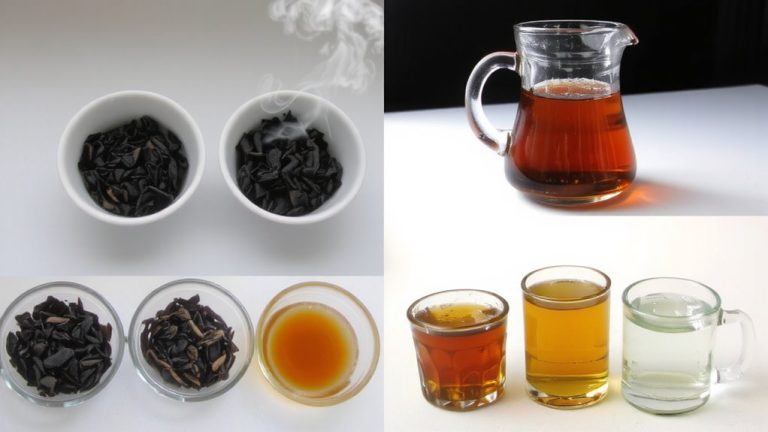
What if the secret to accessing bolder, more aromatic Dancong flavors lies not in modern precision but in sunlight? Sun-withered Phoenix Dan Cong Oolong Tea develops richer floral notes and complex fruity tones, thanks to natural UV exposure boosting aromatic oils by up to 15%. These leaves show higher polyphenols and amino acids, giving a sweeter aftertaste and fuller mouthfeel. Enzymatic oxidation kicks in faster under the sun, deepening the flavor profile. In contrast, climate-controlled withering often yields a greener, more astringent cup with a flatter aroma. The stable environment limits volatile compound development, missing the vibrant top notes sun-rested leaves deliver. You’ll notice clear taste differences: sun-withered batches feel lusher, more layered, while climate-controlled withering prioritizes uniformity over depth. For truly expressive tea, sunlight isn’t just tradition-it’s transformation.
Why Weather and Expertise Make Sun-Withering Hard to Master
When sunlight is strong and humidity stays low, sun-withering can release the full aromatic potential of Phoenix Dancong oolong, but these conditions only align 30 to 40 days a year in Chaozhou’s fog-rich highlands, making timing everything. You’re at the mercy of weather conditions-unexpected clouds, rising humidity, or shifting temperature can ruin the batch. A skilled tea master must constantly monitor leaf moisture, which needs to drop from 75% to 60–65%, using touch and instinct. Sun-withering triggers photochemical reactions that boost aromatic precursors, deepening floral notes unmatched by indoor methods. But real-time changes demand split-second decisions: wind, midday heat, or stiffening leaves mean you act fast. That precision comes only with decades of expertise. Only a true artisan can read subtle shifts in elasticity and scent, knowing exactly when to move Phoenix Dan Cong Oolong Tea indoors. Mastery isn’t just practice-it’s patience, feel, and unwavering attention.
Can Indoor Withering Match Sun-Rested Flavor?
| Factor | Sun-Withering | Indoor Withering |
|---|---|---|
| Floral aroma | High (↑ linalool) | Moderate |
| Polyphenol activity | Enhanced | Stable |
| Flavor depth | Layered, honeyed | Consistent, simpler |
For true Chinese tea character, nothing yet surpasses sun-withering.
Hybrid Withering Approaches in Phoenix Dancong
While sun-withering remains the gold standard for developing rich, honeyed depth in Phoenix Dancong, you’ll find many top Chaozhou artisans now using hybrid withering to fine-tune quality and consistency, especially during unpredictable spring harvests. You start with 1–2 hours of sun-withering, then move leaves indoors for climate-controlled withering at 22–25°C and 60–70% humidity. This hybrid approach stabilizes moisture loss, boosts aromatic complexity, and protects volatile fragrance compounds. With precise oxidation control, you’re better prepared for the 5–8 shaking cycles essential to Phoenix Dan Cong Oolong Tea. Mechanical airflow guarantees even leaf softening, a must for cultivars like Mi Lan Xiang and Ya Shi Xiang. More Chaozhou tea masters now rely on hybrid withering-not to replace tradition, but to preserve it under real-world conditions, balancing sun-withering’s brilliance with indoor climate-controlled withering’s reliability.
On a final note
You’ll notice sun-withered Dancong has deeper floral notes and a layered finish, while indoor-withered offers reliable, bright clarity across batches. Sun-withering adds complexity but varies with humidity, temperature, and skill-think 75–80°F and 60–70% RH ideal. Indoor methods nail consistency, especially in rainy seasons. For balance, try hybrids: short sun exposure, then climate-controlled rest. Taste tests show hybrids retain aroma and improve uniformity-best of both worlds.