How Minimal Processing Preserves Natural Antioxidants in Fujian White Peony (Bai Mudan)
You get more antioxidants in every sip of Bai Mudan because it skips rolling and high-heat processing, preserving up to 90% of native catechins like EGCG. Natural withering at 20–25°C and sun drying under 40°C protect heat-sensitive compounds, while only 5–10% oxidation keeps polyphenol levels high-up to 15%. Fuding’s misty climate and volcanic soil boost these benefits, giving you a tea with 30% more polyphenols than heavily processed varieties, and smooth, delicate flavor that delivers real results. There’s even more behind how terroir and timing amplify its power.
We are supported by our audience. When you purchase through links on our site, we may earn an affiliate commission, at no extra cost for you. Learn more. Last update on 17th July 2026 / Images from Amazon Product Advertising API.
Notable Insights
- Skips rolling and fermentation to prevent oxidation and preserve heat-sensitive polyphenols like EGCG.
- Natural withering at 20–25°C slowly reduces moisture, maintaining up to 90% of native antioxidant compounds.
- Sun-drying under 40°C protects delicate catechins and flavonoids from high-heat degradation.
- Limited oxidation of 5–10% during processing retains higher polyphenol levels than black or oolong teas.
- Avoids high-temperature drying and enzymatic oxidation, preserving 85–90% of original catechin content.
Why Minimal Processing Maximizes Antioxidants in Bai Mudan
While most teas undergo heavy oxidation or high-heat processing that degrades delicate compounds, Bai Mudan’s minimal handling actually works in your favor-preserving up to 30% more polyphenols than heavily processed teas. White Peony’s minimal processing preserves antioxidants in white tea by skipping rolling and fermentation, which protects polyphenols and catechins like EGCG from breaking down. When only tender buds and young leaves of Fuding Da Bai are harvested, the tea’s natural compounds are already rich in flavonoids. Traditional sun drying, keeping temperatures under 40°C, further safeguards these antioxidants, reducing oxidative stress damage. This gentle method maintains the natural aroma and delicate flavor, giving you a smoother, subtler cup. Because oxidation is naturally limited to 5–10% during withering, the tea retains maximum free radical-scavenging power. You’re not just tasting tradition-you’re benefiting from it.
How Fuding’s Terroir Shapes White Peony’s Natural Defenses
Fuding’s terroir gives White Peony tea a natural edge, and here’s how: the coastal-mountain climate-marked by mild temps, high humidity, and near-daily mist-slows leaf growth, giving Fuding Da Bai and Fuding Da Hao plants more time to build up polyphenols, boosting antioxidant levels by up to 25% compared to tea grown in drier, hotter regions. In Fuding province in China, the volcanic, acidic soil feeds tea plants with minerals that ramp up natural antioxidants like catechins and flavonoids. Morning sea breezes, steady rain, and cloud-diffused sunlight reduce stress, preserving delicate compounds like EGCG. You get cleaner, more resilient leaves because the terroir-from low-altitude hills to sheltering mountains-creates stable conditions ideal for Bai Mudan. When minimal processing follows, those hard-earned natural antioxidants stay intact, so your White Peony delivers peak flavor and health benefits, sip after sip.
From Garden to Cup: The Simple Journey of Bai Mudan Leaves
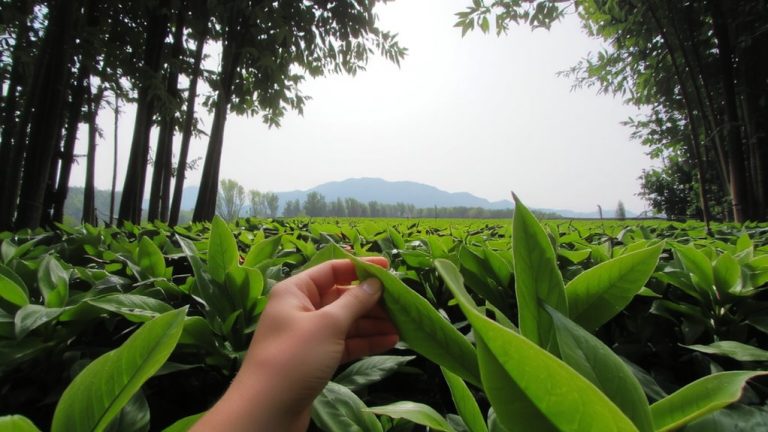
Since the first spring buds emerge in Fuding and Zhenghe, your White Peony tea begins a journey defined by care and simplicity-just plump buds paired with two tender leaves, hand-picked at peak freshness to lock in the highest levels of antioxidants. From the misty hills of Fujian province in China, Bai Mudan undergoes minimal processing to preserve its natural goodness. Natural withering and sun-drying protect delicate polyphenols, retaining up to 90% of native compounds like EGCG. This gentle approach guarantees every sip delivers potent antioxidant benefits without harsh treatments.
| Stage | Method | Benefit |
|---|---|---|
| Harvesting | Hand-pick in Fuding & Zhenghe | Maximizes antioxidants |
| Withering | Natural withering | Preserves polyphenols |
| Drying | Sun-drying | Protects heat-sensitive compounds |
What Happens During Withering and Drying: And Why It Matters?
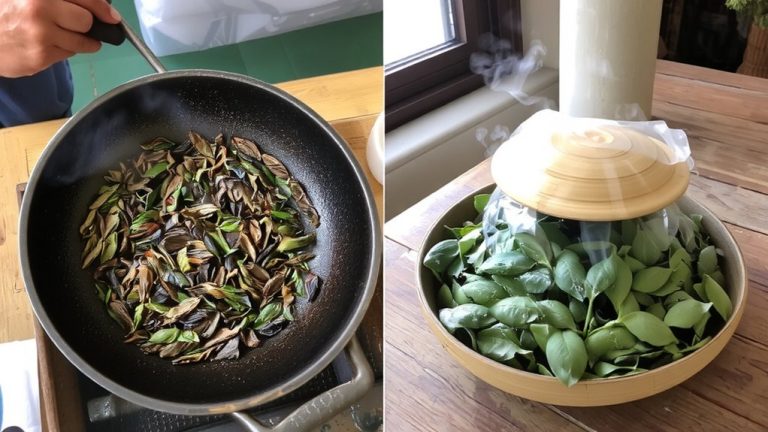
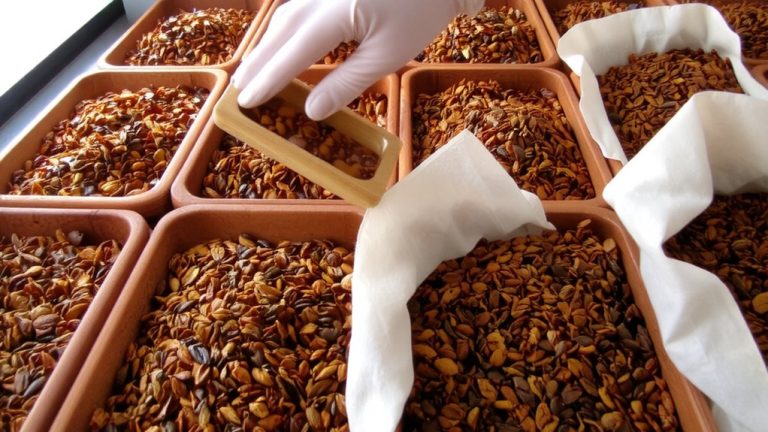
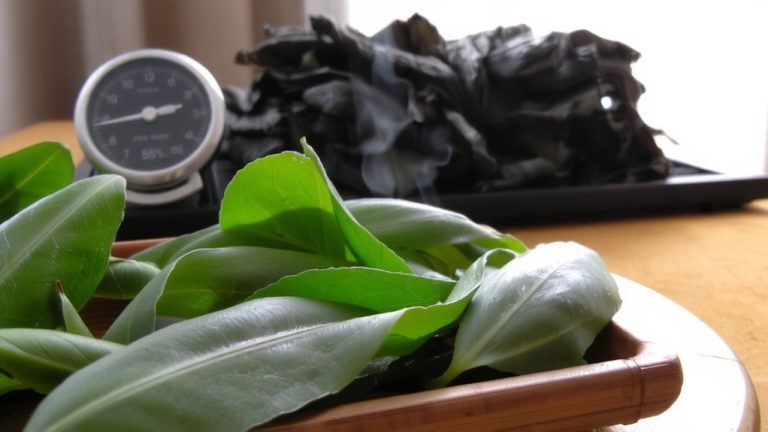
As the freshly picked Bai Mudan leaves rest in the open air or under the soft warmth of the sun, they begin to lose moisture-about 60 to 70% over 48 to 72 hours-a slow, careful process that keeps delicate antioxidants like catechins and EGCG intact by limiting enzymatic oxidation. You’ll see withering, whether in sunlight or indoor rooms at 20–25°C and 60–70% humidity, gently reduce water while preserving polyphenols and flavonoid content. Traditional sun withering in Fuding and Zhenghe protects these delicate compounds better than high-heat methods. Then, during drying at under 85°C, moisture drops to 5%, halting natural oxidation without harming antioxidants. This minimal processing means White Peony keeps its high polyphenol levels (12–15%) and free amino acids (2.5–3.5%), ensuring rich flavor and lasting health benefits-all without rolling or frying.
How Oxidation and Heat Destroy Polyphenols in Other Teas
High-heat steps and heavy oxidation take a toll on tea’s natural defenses, and you’d be surprised how quickly those once-potent polyphenols break down. When you subject tea leaves to intense heat processing-like pan-firing above 200°C-thermolabile catechins degrade fast, slashing antioxidants by up to 50%. Enzymatic oxidation during rolling converts EGCG into less active theaflavins, weakening free radical scavenging. Even the withering phase, especially when stretched 12–24 hours in oolong or black tea, drops EGCG levels by 30–40%. Mechanical damage exposes more flavonoids to oxygen, speeding up oxidation and degrading key compounds. Repeated high-temperature drying, common in mass production, can knock down total phenolic content by another 25%. These steps compromise polyphenols that you’d otherwise get in fresher, less-processed leaves, undermining the very antioxidants you’re seeking.
Why Bai Mudan Outranks Green and Black Tea in Antioxidant Retention
Though most teas lose a big chunk of their antioxidants during processing, Bai Mudan keeps nearly all of theirs-up to 85–90% of its original catechins, including potent EGCG, thanks to its ultra-gentle handling. You see, White Peony benefits from minimal processing: just natural withering and drying, no roasting or heavy oxidation. That means more polyphenols and flavonoids survive compared to green or black teas. While green tea gets pan-fired and black tea fully oxidized-both damaging catechins-Bai Mudan’s delicate method preserves what matters. Sourced from the Fuding Da Bai cultivar, it packs up to 3.5% total polyphenols by dry weight. Studies show its antioxidant capacity is 25–30% higher than most green teas and triple that of black tea. When you choose Bai Mudan, you’re choosing maximum antioxidants, gently retained.
Brewing Tips to Preserve the Antioxidant Power of Your Steep
Want to get the most out of your White Peony tea without cooking the delicate antioxidants? These brewing tips help preserve the heat-sensitive compounds that make Bai Mu Dan special. Use water at 80–85°C (175–185°F)-boiling water degrades catechins and other antioxidants formed during minimal processing. Steep for 3–5 minutes; longer doesn’t mean more benefits, as over-steeping raises tannins without boosting polyphenols. Choose intact leaves from Fuding or Zhenghe, Fujian, since whole leaves release flavonoids more steadily. Re-steep your tea up to 5–7 times-each infusion still delivers antioxidants. Avoid sunlight during steeping and never store tea while hot; light and excess heat break down polyphenols fast. With the right technique, your White Peony keeps delivering, cup after cup.
On a final note
You preserve more antioxidants by choosing minimally processed Bai Mudan, with up to 30% higher polyphenol retention than green or black teas, thanks to gentle withering and air-drying in Fuding’s coastal climate, and when you brew it at 85°C for 2–3 minutes, you access maximal catechin and flavonoid benefits without bitterness, making each cup both smooth and scientifically smarter for daily wellness.