Why Japanese Kukicha Uses Tea Stems for a Light, Nutty Infusion
Get a taste of tradition—and a surprisingly smooth, nutty cup—that starts with what most teas leave behind. There’s a reason Japanese artisans save the stems.
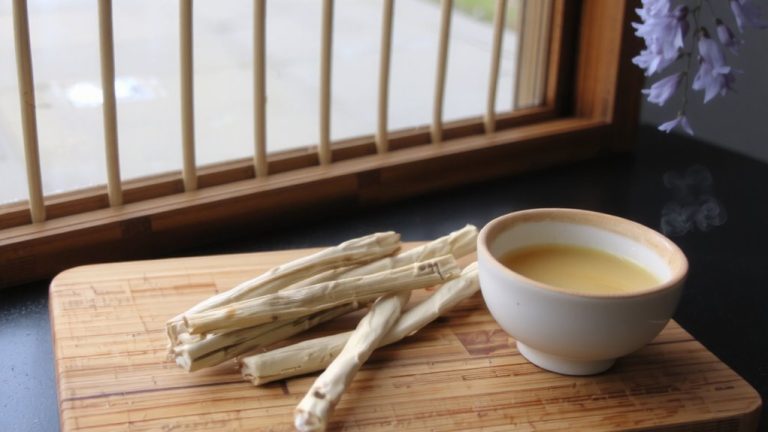
Get a taste of tradition—and a surprisingly smooth, nutty cup—that starts with what most teas leave behind. There’s a reason Japanese artisans save the stems.
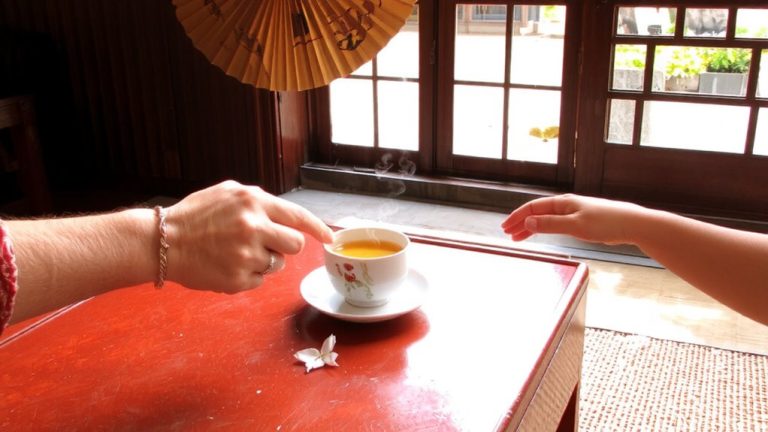
Trace the tea ceremony from Emperor Shennong in 2737 BCE to Tang-Song rituals, kneeling customs, and the finger-tapping gesture tied to Emperor Qianlong. Read the full history.
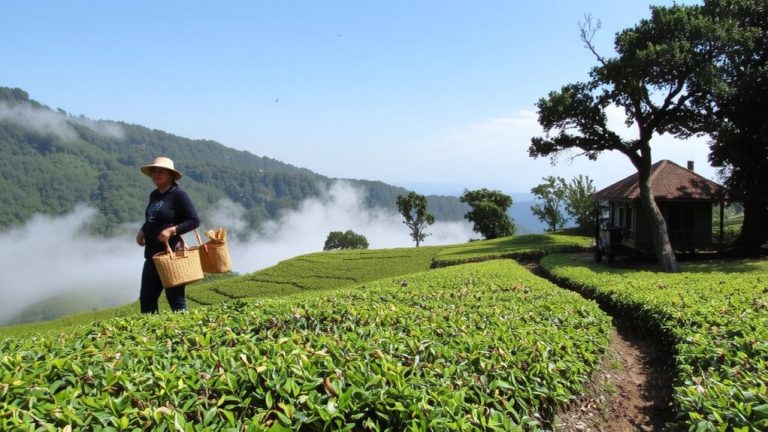
More than a journey—discover how Sri Lanka’s tea trails transform tourism into a force for sustainability, with a single sip revealing an entire ecosystem waiting to be explored.
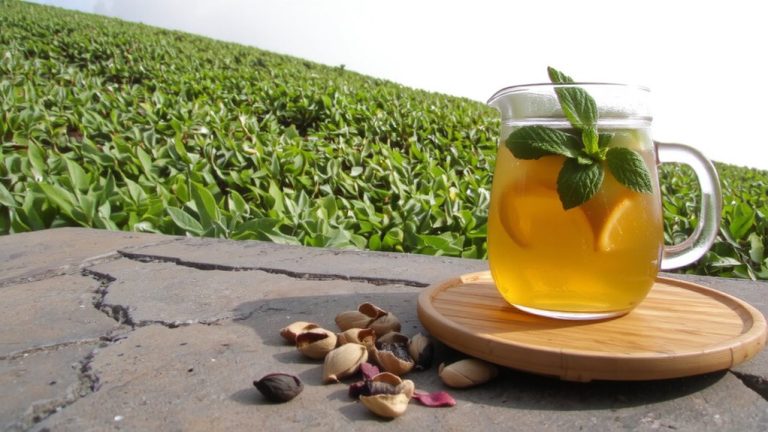
Grown at 1,000-2,500m in the Nilgiri Hills with 32 annual harvests, this low-tannin tea stays bright, not bitter, when iced. See why it carries citrus, rose, and cardamom so well.
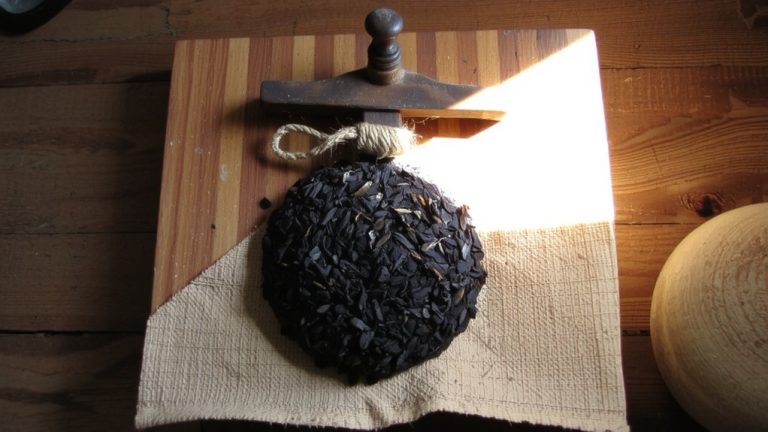
Using time-honored techniques, discover why each press shapes the tea’s destiny—what happens inside the cake determines its transformation over decades.
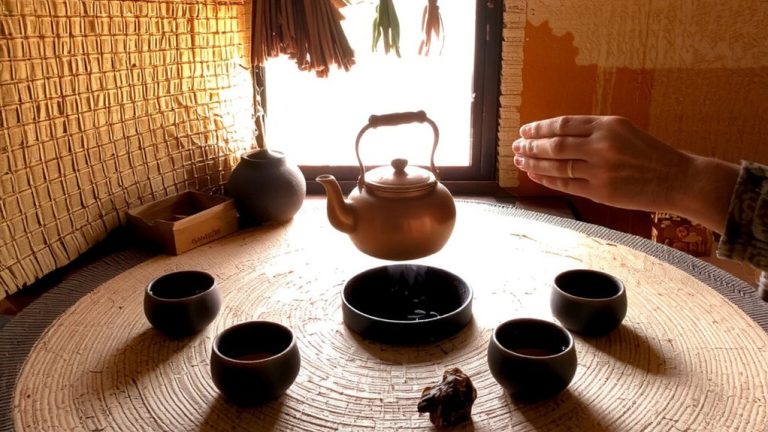
Plant-based potions steeped in prayer unlock healing—discover how Ethiopian herbal teas merge ancient ritual with medicinal wisdom.
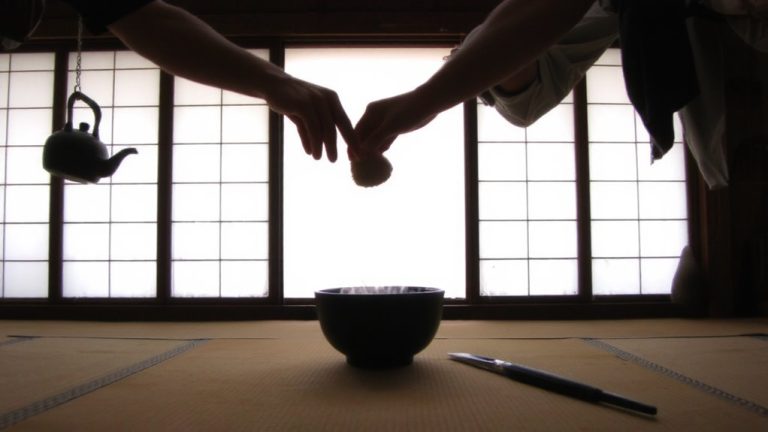
Mastering ancient rituals and modern science, Japanese tea schools shape future tea masters—discover how tradition is passed down and transformed.
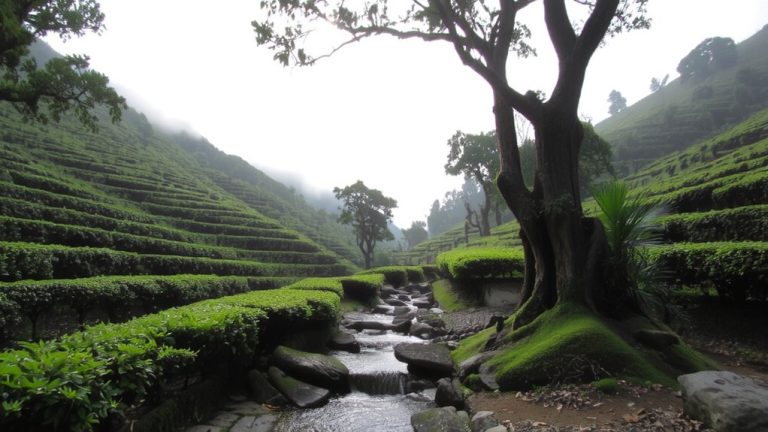
More than just tea grows here—meet the living shield of shola forests hiding a secret that’s transforming plantations from the roots up.
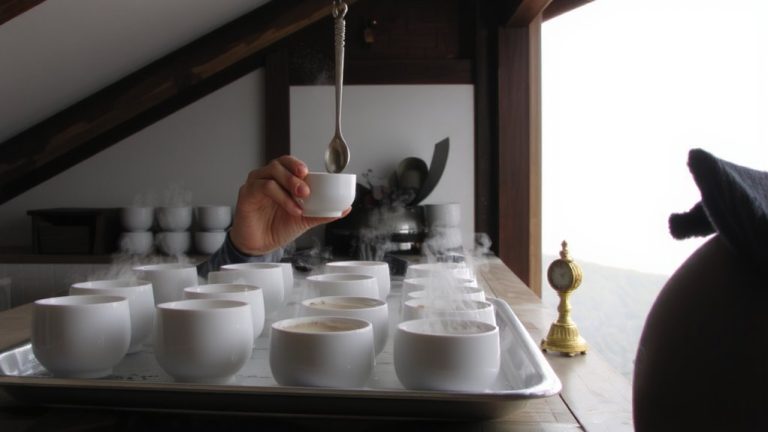
Tasters use 2g tea per 150ml water, a 4-5 minute steep under a lid, and white porcelain cups to compare hundreds of samples daily. See how the method works.
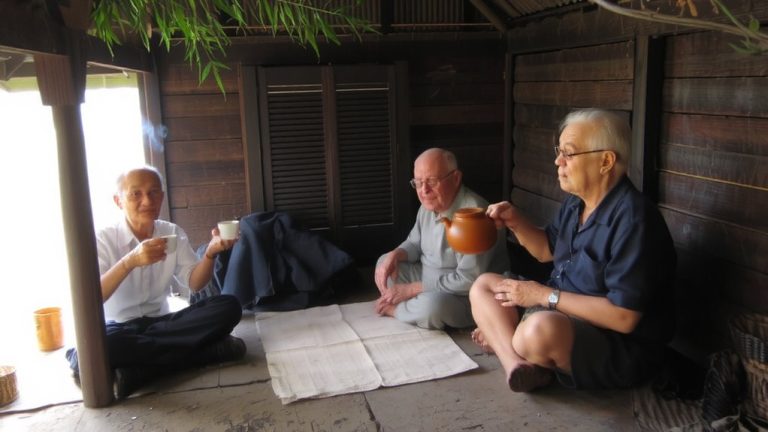
Hushed voices rise like steam from delicate teacups, revealing how ancient tales in Hanoi’s tea houses shape a nation’s soul—what forgotten stories await your ears? The ritual begins with a single pour.