The Cultural Importance of Turkish Apple Tea in Social Hospitality Rituals
You’ll often find apple tea offered freely in Istanbul’s markets as *ikram*, a heartfelt gesture of Turkish hospitality. Served in tulip-shaped *ince belli* glasses, its sweet, caffeine-free blend of dried apples and cinnamon creates an inviting aroma, perfect for welcoming visitors. Unlike traditional black tea-strong, caffeinated, and brewed in a *çaydanlık*-apple tea steeps quickly and needs no added sugar. Refusing might seem like rejecting friendship, so accept, savor the warmth, and let the ritual open doors to deeper connection.
We are supported by our audience. When you purchase through links on our site, we may earn an affiliate commission, at no extra cost for you. Learn more. Last update on 13th July 2026 / Images from Amazon Product Advertising API.
Notable Insights
- Apple tea symbolizes Turkish hospitality, often offered freely in markets as a gesture of welcome and connection.
- Served in tulip-shaped glasses, it enhances sensory experience and reflects standardized cultural presentation in social rituals.
- Refusing apple tea may be seen as rejecting friendship, emphasizing its role in fostering trust and inclusion.
- Though not traditional, it complements black tea culture by adapting to tourist preferences without replacing local customs.
- Its sweet, caffeine-free profile makes it ideal for commercial settings, where it encourages conversation and mutual respect.
Why Turkish Apple Tea Is a Symbol of Hospitality
While you might not find apple tea in every traditional Turkish home, you’ll almost certainly be offered a glass when visiting shops in the Grand Bazaar or Spice Market, where vendors serve it warm in tulip-shaped glasses as part of *ikram*-the custom of offering something to guests freely, no purchase needed. Turkish apple tea, with its sweet, fruity flavor, has become a symbol of Turkish hospitality, especially in social gatherings and commercial spaces. Though not part of the traditional Turkish tea repertoire, its widespread offering tea ritual reflects the adaptability of tea culture. Served during conversations, negotiations, or simple visits, it fosters connection. Refusing can seem like rejecting friendship, underscoring how deeply ikram and hospitality are linked. In the spice market and beyond, this non-caffeinated infusion, presented in iconic tulip-shaped glasses, is more than a drink-it’s a gesture, a welcome, a symbol of Turkish warmth.
How Apple Tea Differs From Black Tea in Turkey
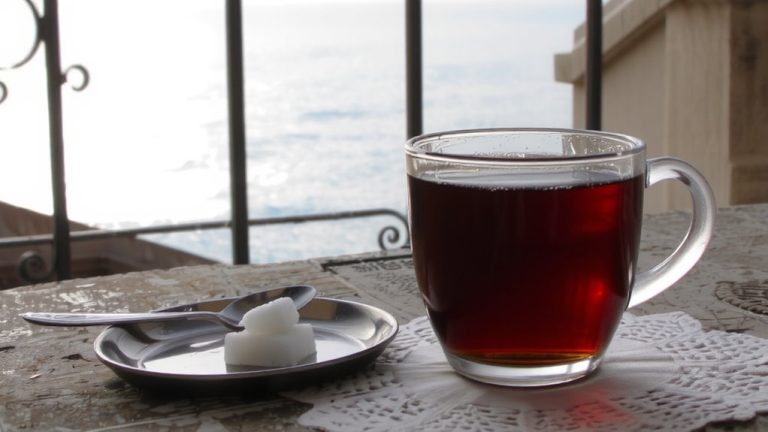
You’ll notice right away that Turkish apple tea stands apart from the country’s traditional black tea in both flavor and function, and once you know what to look for, the differences go well beyond taste. Unlike traditional black tea-typically strong Rize tea brewed in a çaydanlık-apple tea is a fruit-infused tea made from dried apples and cinnamon, offering a sweet, tangy kick without caffeine. It steeps quickly, doesn’t require constant heating, and skips the sugar cubes many add to black tea. While locals drink black tea daily-3.5 kg per person yearly-apple tea isn’t part of most home routines. Still, in Turkish culture, it’s served in classic tulip-shaped tea glasses, symbolizing social hospitality, especially to tourists. It’s milder than bold black tea, making it a popular, approachable choice in places like the Grand Bazaar, where welcoming visitors matters most.
When and Where Apple Tea Is Served
Turkish apple tea shows up most often in bustling urban spots where hospitality serves as both tradition and strategy, especially in Istanbul’s Grand Bazaar and Spice Market. You’ll find apple tea offered freely by shopkeepers, serving tea as a way to draw people together, spark conversation, and honor Turkish hospitality. It’s not just about refreshment-it’s tradition in every gesture, from heating the hot water to pouring it with care. Apple tea, though not traditional like black tea, appeals to tea enthusiasts and tourists alike with its sweet aroma and vibrant red hue. You’ll savor it in tea gardens, from mobile çaycı carts, or in open-air seating across Turkish urban centers. These social spaces thrive on connection, where serving tea becomes a ritual of welcome. It’s less common in homes or rural areas, favored instead where people gather, browse, and bond over a warm, inviting cup.
Why the Tulip Glass Defines the Experience
Because the way tea looks can be just as important as how it tastes, the tulip-shaped glass-called ince belli, or “slim-waisted”-plays a key role in how you experience apple tea in Turkey. You’ll notice immediately how the transparent, traditional glasses highlight the drink’s rich amber hue, making strength and clarity easy to judge. The narrow waist fits neatly in your hand, balancing heat retention and comfort, while the flared rim guides aroma right to you. These authentic Turkish glasses aren’t just for show-they’re an integral part of social moments, used everywhere from street vendors to homes. In Turkish culture, sharing tea this way is a ritual, a part of social connection. Reusable and standardized, they reflect both practicality and pride. Whether it’s Turkish tea or apple-infused versions, these glasses guarantee every sip stays true to tradition and experience.
On a final note
You’ll find Turkish apple tea isn’t just a drink-it’s a gesture, served in tulip glasses that enhance aroma and warmth. Unlike black tea, it’s caffeine-free, made from dried apple, cinnamon, and hibiscus, with 30–40 calories per cup. Testers note its tart, naturally sweet flavor pairs well with meals or conversation. For best results, steep 1–2 minutes in 200°F water. Enjoy it as Turks do: shared, steaming, and sincere.