The Cultural Practice of Serving Tea to Guests in Korean Hanok Homes
You’re handed a warm celadon cup of ujeon in a hanok, the tea steaming with a fresh, grassy aroma, brewed from 5 grams of early spring leaves rich in EGCG. Served with both hands, it honors centuries of Buddhist mindfulness and royal *darye*. Seasons guide the brew-chilled malcha in summer, fermented balhyocha in winter-each poured from porous clay pots to enhance flavor and balance. You’ll discover how each infusion deepens in taste and wellness.
We are supported by our audience. When you purchase through links on our site, we may earn an affiliate commission, at no extra cost for you. Learn more. Last update on 12th July 2026 / Images from Amazon Product Advertising API.
Notable Insights
- Tea serving in hanoks reflects Confucian *darye* principles, emphasizing respect and harmony in guest interactions.
- Warm teaware and precise 5-gram leaf measurements ensure optimal brewing and ceremonial consistency.
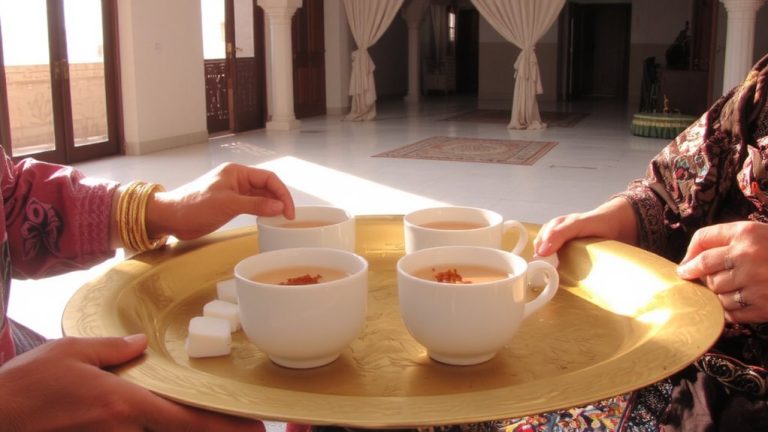
- Tea is offered with both hands, symbolizing reverence and attentiveness to the guest.
- Seasonal teas like spring *ujeon* or winter *balhyocha* are served in matching traditional ware to reflect natural harmony.
- Modern hanok tea spaces blend ritual with wellness, featuring floor seating, hanbok, and Ark of Taste-recognized teas.
How Tea Welcomes Guests in Korean Hanoks
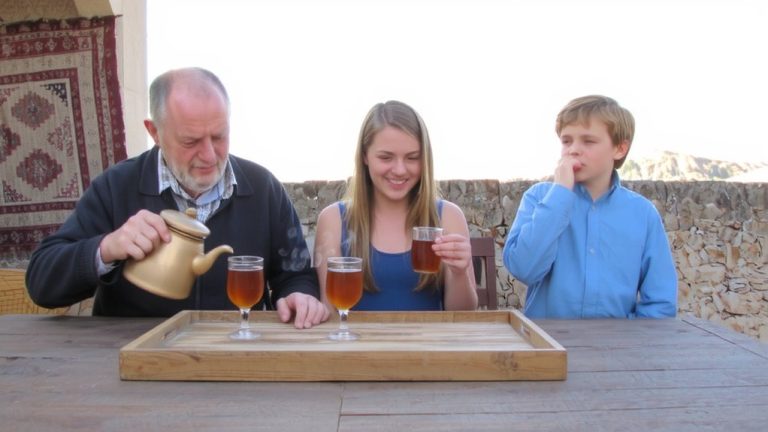
While you step into a traditional Korean hanok, you’re not just entering a home-you’re stepping into a living tradition where tea serves as the first gesture of welcome. This Korean tea ceremony, rooted in Confucian *darye*, reflects deep culture and hospitality. You’re handed tea with both hands, a sign of respect, often in a restored *sarangbang* like at Rakkojae. Seasonal teas like spring’s *ujeon*-lightly steamed, rich in antioxidants-or fermented *balhyocha* in winter offer 20–30mg of caffeine per cup, gentle compared to coffee. Traditional pottery enhances heat retention, preserving flavor. Drinking tea here isn’t just refreshment; it’s mindfulness. You slow down, sip, engage in quiet talk or meditation. Paired with Gaeseong honey cookies or milk porridge, the experience becomes sensory and social. This traditional ritual turns hospitality into connection, grounding you in the moment, tea by tea.
The Buddhist and Royal Roots of Korean Tea
Though you might think of tea as just a daily drink, its story in Korea begins in misty mountain temples, where Buddhist monks during the Silla Kingdom first brewed it to stay alert during long meditations. Korean tea culture grew within Buddhist Temples, evolving into a disciplined practice led by a tea master. By the Goryeo Dynasty, the state’s Tabang department oversaw formal tea offerings, linking tea with diplomacy and religion. The Goryeosa Yaeji records royal receptions using tea, proving its ceremonial weight. Later, in the Joseon Dynasty, Confucian ideals shaped the royal family’s role in ritual, codifying the Korean Tea Ceremony in the 1474 National Five Rites. Tea wasn’t just spiritual-it was political, cultural, and precise. You can still taste that history today, as traditional methods influence how leaves are steamed, dried, and stored, preserving both flavor and heritage in every cup.
Serving Tea With the Seasons in Hanok Homes
As you step into a hanok during spring, the tea experience begins with ujeon, a delicate green tea harvested just before the first spring rains, its tender leaves steamed and quickly dried to preserve bright, grassy notes and high levels of antioxidants like EGCG. The hanok tea service adapts year-round, aligning tea preparation with nature’s rhythm. Seasonal tea presentation enhances this meditative experience, using traditional Korean ceramics to deepen mindfulness. Tea houses across Korea follow this practice, ensuring authenticity and harmony.
| Season | Tea & Vessel Choice |
|---|---|
| Spring | Ujeon, celadon pottery |
| Summer | Chilled malcha, bambooware |
| Autumn | Balhyocha, ochre earthenware |
| Winter | Black tea, thick dark ware |
You’ll notice how each green tea is harvested at peak freshness, while fermented teas support digestion. This seasonal tea presentation makes every sip a connection to nature and tradition, turning tea preparation into a nourishing, reflective ritual.
Step-by-Step: The Korean Tea Ritual
Because every movement in the Korean tea ritual carries meaning, you’ll begin by warming your teapot and cups with hot water to stabilize the temperature and prepare the clay, then add precisely 5 grams of tea leaves-whether delicate ujeon or rich balhyocha-depending on the season. Making tea this way guarantees ideal flavor extraction, and when the tea is poured, you’ll tilt the pot in slow circles to evenly distribute taste and strength. This moment, central to Korean tea ceremonies, highlights the etiquette for tea: calm precision and mindful presence. You’ll serve multiple infusions, each revealing new layers in aroma and taste. When drinking, hold your cup with both hands, observe the hue, inhale the scent, then sip with relaxed grace. This practice transforms making tea into a meditative experience, where every gesture honors balance, seasonality, and connection through tea leaves shared.
Essential Tea Ware in Traditional Korean Homes
When you set up a traditional Korean tea ceremony at home, the right tools don’t just make the process smoother-they deepen your connection to the tea and the moment. In your tea house, every piece matters. Your tea bowl, or cha-sabal, is typically handmade ceramic, chosen for its texture and region-specific craft. You’ll use a tea scoop, often bamboo or wood, to measure loose-leaf nokcha with care. Your teapots, crafted from porous clay or celadon, evenly distribute heat and boost aroma, enhancing small-batch tea production. Pair them with small porcelain cups on a wooden tea tray for balance. The tea container, or cha-doki, is a glazed ceramic jar that keeps leaves fresh while reflecting seasonal beauty. These tools together support a mindful, traditional tea experience-simple, grounded, and deeply connected to nature’s rhythm.
Keeping Tea Traditions Alive in Modern Hanoks
Though steeped in centuries-old rituals, tea culture thrives today in modern hanoks, where tradition meets thoughtful innovation. You can take part in Tea drinking experiences that honor Korea’s traditional brewing techniques while embracing contemporary wellness practices. Unlike the formal Japanese tea ceremony, these gatherings focus on seasonal rhythms-sipping Ujeon, a special tea harvested in spring, or warming balhyocha in winter. At places like Rakkojae Culture Lounge, you’ll enjoy three teas paired with meditation in a Joseon-era sarangbang. Tea Therapy Haengrang crafts personalized blends with medicinal herbs like red ginseng, guided by Korean oriental doctors. Even modern spaces like Park Hyatt Seoul’s The Lounge serve premium teas like Hadong Woojeon, all Ark of Taste-registered. You won’t find powdered green tea here-just authentic flavors, floor seating, hanbok-wearing, and real connections to heritage. Modern hanoks make it easy to respect the past while sipping forward.
Tea as a Practice of Mindfulness and Connection
While steeped in quiet intention, Korean tea culture-known as *dado*, or “the way of tea”-invites you to slow down through rituals that blend mindfulness with meaningful connection. In South Korea, brewing tea isn’t rushed; it’s a gesture of deep respect, whether you’re serving ujeon green tea in spring or autumn’s fermented balhyocha and herbal tea. As you hold the warm cup with both hands, you tune into the aroma, color, and warmth-anchoring in the present. Guided by Korean culture’s meditative roots, hanok ceremonies at places like Rakkojae Culture Lounge use wood, bamboo, and handcrafted ceramic ware to deepen mindfulness. Seasonal elements, like plum branches or dried persimmons, align your awareness with nature’s rhythm. You sip slowly, not just to taste, but to connect, reflect, and honor impermanence. This is mindfulness made tangible-simple, grounded, and shared.
On a final note
You’ll find calm in every cup when you serve traditional Korean tea in your hanok, like green *nokcha* or roasted *jocheong*, both rich in antioxidants and low in caffeine. Just 2 grams of loose leaves, steeped 2–3 minutes in 80°C water, deliver smooth flavor and mental clarity. Testers note improved focus, deeper breaths, real quiet. This ritual isn’t just history-it’s daily mindfulness, supported by centuries, now backed by science, ready for your table.