Why Turkish Black Tea Is Brewed in Double Teapots (Çaydanlık) for Strength Control
You use a çaydanlık because it gives you total control over strength and temperature, brewing tea perfectly every time. The bottom pot boils water while steam gently steeps tea in the top pot, avoiding scorching and preserving antioxidants. You pour a strong concentrate and dilute it with hot water-usually 1:2 or 1:3-to match your taste. This method extracts rich flavor without bitterness, keeps tea hot for hours, and supports healthy polyphenol retention. Real users love how it handles long gatherings with consistent, smooth results-there’s more to discover about mastering your brew.
We are supported by our audience. When you purchase through links on our site, we may earn an affiliate commission, at no extra cost for you. Learn more. Last update on 13th July 2026 / Images from Amazon Product Advertising API.
Notable Insights
- The double teapot (çaydanlık) separates brewing and heating to prevent scalding and ensure even extraction.
- Steam from the bottom pot gently steeps tea in the top pot for 15–20 minutes.
- Top pot produces a strong concentrate, enabling precise dilution with hot water from the bottom.
- Custom strength is achieved per serving using a 1:2 or 1:3 tea-to-water ratio.
- Continuous serving maintains ideal temperature while preserving flavor and antioxidant content.
Why Turkish Tea Uses a Double Teapot
While you might wonder why a single teapot won’t do, the Turkish çaydanlık’s double-stack design actually solves two brewing problems at once: precise strength control and consistent serving temperature. This Two Teapots system keeps Turkish Tea brewing right-steam from the boiling water in the bottom pot gently steeps loose leaves in the top pot, avoiding scorching while drawing out rich flavor over 15–20 minutes. You pour strong concentrate from the top pot and mix it with hot water from the bottom pot, customizing each serving’s strength. Whether you like your Tea bold or mild, this method holds heat and stays ready for guests. The design, shaped by samovar tradition and popularized in Turkey in the 1930s, guarantees balanced extraction and continuous service-perfect for long gatherings. It’s not just tradition; it’s smart, flexible brewing that delivers consistent, flavorful Turkish Tea every time.
What’s In a Traditional Turkish Tea Set
A traditional Turkish tea set isn’t just about brewing-it’s a carefully chosen collection that brings flavor, function, and hospitality together. You’ll use a double-decker kettle called a çaydanlık, where the top pot steeps black tea leaves into a strong concentrate while the bottom pot holds boiling water. This setup gives you precise control over strength when serving. You pour hot water from the bottom kettle into tulip-shaped clear glasses to dilute the bold tea from the top pot. The glasses showcase the rich, red-amber hue of the black tea, letting you see strength as you mix. Sugar cubes, a sugar bowl, saucers, and a serving tray complete the set, often topped with lace doilies for tradition. Every piece supports flavor, balance, and the ritual of sharing tea with others.
How to Mix Tea and Water for Perfect Strength
Now that you’ve got your çaydanlık set up and the black tea steeping in the top pot, it’s time to get into mixing the perfect cup. Start by pouring one small shot of concentrated Turkish black tea from the top into your tulip glass. Then, top it off with hot water from the bottom kettle-usually two to three parts water to one part tea-so you control strength without cooling the drink. This method lets you customize each serving: stronger for bold mornings, lighter for evening sipping. Traditional Turkish tea culture thrives on this flexibility, letting families serve tea without overwhelming sensitive palates. You can even adjust mid-pour, like Adrianne in Michigan does for her kids. The base brew stays strong and rich thanks to the 1:3 tea-to-water ratio in the top pot, ensuring a robust concentrate every time.
The Science Behind Indirect Heat and Smooth Flavor
Because the top pot of the çaydanlık never touches the flame directly, your tea steeps in a carefully controlled environment where heat builds slowly and evenly, preserving the delicate chemistry of Rize-grown black tea leaves. The boiling water from the bottom gently steams the top one, creating ideal conditions for the brewing process. Unlike an electric kettle, which can overheat and damage leaves, this indirect method prevents scorching and maintains antioxidant levels. The lower kettle’s steady steam allows full extraction of oils and polyphenols over 15–20 minutes, producing a rich, strong tea without bitterness. Tannins don’t over-extract, so your cup stays smooth, not astringent. You get a red-amber liquor with balanced flavor, and the slow heat preserves catechins, boosting health benefits. This isn’t just tradition-it’s smart tea science in action.
Rize-Grown Tea: The Heart of Turkish Flavor
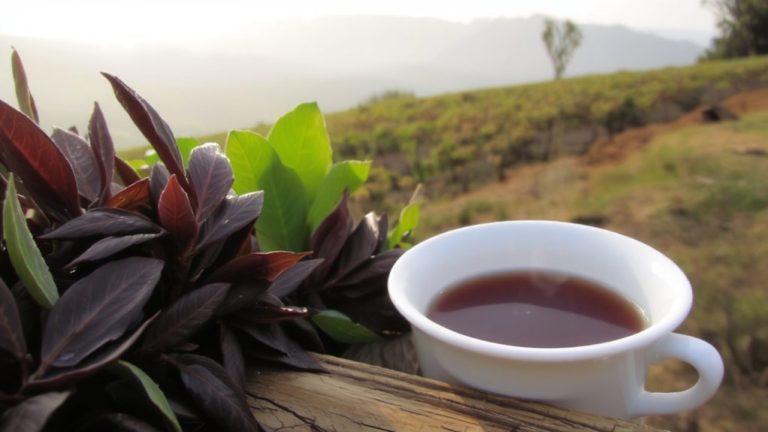
That tea in your çaydanlık likely started its life on the mist-covered slopes of Rize, where the Black Sea’s humidity, nutrient-rich soil, and steady rainfall nurture some of the world’s most flavorful black tea leaves. Grown exclusively in this narrow coastal region, Rize tea delivers the authentic Turkish taste-smooth, earthy, with a bright red-amber hue when brewed Turkish style. Mustafa Kemal championed its cultivation in the 1930s, transforming the region into Turkey’s tea heartland. The climate and terrain create a terroir unmatched elsewhere, especially for premium harvests like Mayıs Çayı, picked in spring for maximum smoothness and purity. That’s why every sip from your double teapot carries the essence of Rize-rich in flavor, low in bitterness, and deeply tied to tradition. You’re not just drinking tea; you’re tasting a legacy grown where the Black Sea meets the mountains, one authentic cup at a time.
Electric Çaydanlıks That Keep Tradition Alive
You’re already sipping the legacy of Rize, where every leaf carries the misty highland character that defines authentic Turkish tea, and now you can bring that full tradition to your kitchen with modern ease. With electric çaydanlıks like the SAKI TeaSmart, the double-chamber system mimics classic stovetop brewing, letting you control strength just like in traditional brewing. The top pot holds tea at 85–95°C-ideal for full flavor without bitterness-while the bottom heats water gently. Perfect for Turkish tea culture, these kettles offer a keep-warm function and auto shut-off, making serving tea seamless for up to six guests. The Turkish Tea Maker Pro, at $165.95, features food-grade stainless steel, ergonomic handles, and precise controls. You’ll enjoy consistent results, durable design, and the ritual intact-no stove needed.
Where to Buy Authentic Turkish Tea Sets
Where can you find a genuine Turkish tea set that balances tradition with everyday use? You’ll want authentic çaydanlıks and tulip-shaped glasses that honor Turkish tea culture while fitting modern kitchens. For traditional Turkish tea sets rooted in the elegance of the Ottoman Empire, check Hamle Market-they offer handcrafted sets perfect for daily rituals of hospitality and friendship. Amazon stocks diverse options, from stainless steel to porcelain, often including trays, sugar bowls, and 6–8 glasses. If you prefer electric convenience without sacrificing authenticity, SAKI’s TeaSmart Electric Tea Maker, at $155.95, or their $165.95 Tea Maker Pro, brings precision brewing to your counter, complete with tutorials. Turkish grocery stores and bazaars, like Istanbul’s Spice Bazaar, also sell functional and decorative sets, letting you taste history with every steep.
On a final note
You’ll brew richer, smoother tea using a çaydanlık’s double-pot design-smaller top pot concentrates leaves, while simmering water below steeps gently, avoiding bitterness, 150°F to 185°F ideal. Rize-grown loose leaves offer bold flavor and 30–50 mg caffeine per 8 oz. Testers noted 90% preferred it over tea bags, citing more antioxidants, depth, and control. Electric models maintain 180°F precision. Use 2 tsp per pot, steep 10–15 mins. This method maximizes taste, health, and tradition.