The Role of Taiwanese High Mountain Oolongs in Elevating Global Tea Appreciation
You taste the difference in every sip-high mountain oolong, grown above 1,000 meters in Taiwan’s misty slopes, offers floral-honey notes, a creamy finish, and up to 30% more polyphenols than lowland teas. Cool air, iron-rich soil, and 15°C daily temperature swings create tender leaves packed with amino acids and aroma. Hand-plucked, lightly oxidized (15–30%), and processed in clay vessels, these rare, small-batch harvests redefine what tea can be, setting a gold standard admired from Tokyo to Paris. There’s more to uncover about how craftsmanship elevates each cup.
We are supported by our audience. When you purchase through links on our site, we may earn an affiliate commission, at no extra cost for you. Learn more. Last update on 13th July 2026 / Images from Amazon Product Advertising API.
Notable Insights
- Taiwanese High Mountain Oolongs showcase terroir-driven complexity, setting new standards for premium tea cultivation at elevation.
- Their unique floral-honey notes and creamy texture elevate sensory expectations in global specialty tea markets.
- Limited annual production and handcrafted processing highlight artisanal value, attracting connoisseurs worldwide.
- Distinct growing conditions above 1,000 meters enhance sweetness and aroma, redefining quality benchmarks for oolong tea.
- High Mountain Oolongs are celebrated like fine wines, fostering deeper appreciation for origin, vintage, and craftsmanship in tea culture.
What Makes High Mountain Oolong Unique
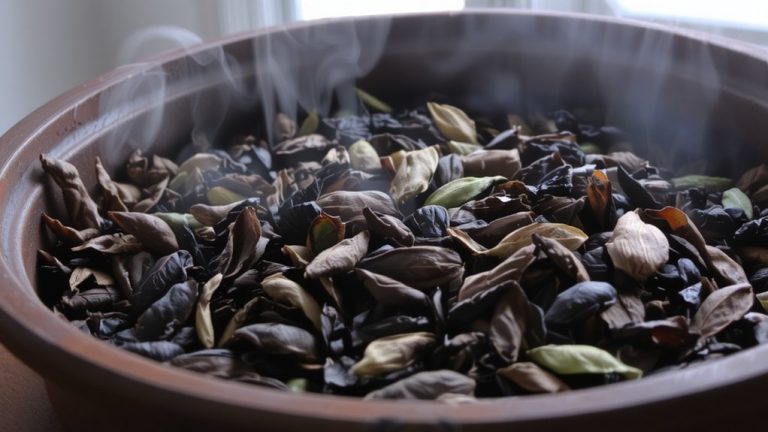
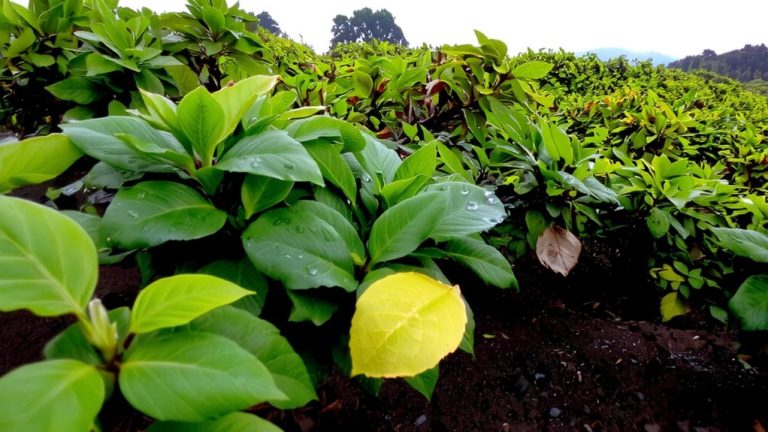
While most teas can’t replicate the conditions found deep in Taiwan’s misty highlands, High Mountain Oolong thrives where elevation, soil, and climate converge to create something special-tea grown above 1,000 meters, where cool air and regular fog slow leaf development, letting flavors concentrate into a sweet, floral-honey profile you can taste in every sip. In the High Mountains, tea plants endure stress from lower oxygen and cooler temps, which boosts polyphenols and aromatic compounds in the tender new leaves. These mountain regions use iron-rich red loam, enhancing Taiwan Oolong’s crisp, clean finish. Oxidation stays light, between 10% and 30%, giving High Mountain Oolong Tea golden-brown dry leaves and balanced notes of orchid, cream, and fresh mountain air. Whether you’re sipping loose leaves or re-steeping, each brew delivers complexity, sweetness, and nutrient density found only in true High, Mountain-grown tea.
How Taiwan’s High Altitude Shapes Flavor
When you taste a cup of Taiwanese High Mountain Oolong, you’re experiencing the direct effect of altitude on flavor-grown above 1,000 meters, often up to 1,500 meters (5,000 feet), where cooler temps slow leaf growth and let complex flavors build over time. Growing tea at higher elevations in the mountains of Taiwan means frequent fog, reducing sunlight by up to 30%, which lowers bitterness and boosts sweet, nitrogen-rich amino acids. You’ll notice this bright, fresh character in top mountain tea from Li Shan, Shan Lin Xi, and Ali Shan. The red loam soil, rich in iron and aluminum, gives Tea a crisp, clean finish with subtle minerality. Diurnal swings over 15°C help develop aromatic volatiles, while cold nights make leaves thicker, tender, and rich in polyphenols. That’s why Oolong from tea at higher altitudes tastes more nuanced, balanced, and deeply layered-it’s nature’s precision shaping Taiwan’s finest mountain tea.
The Art Of Handcrafting High Mountain Oolong
Every gram of High Mountain Oolong tells a story of care, from the misty slopes above 1,000 meters where skilled hands pluck just the tender top two leaves and bud, to the slow, deliberate processing that follows. You’re experiencing the heart of Taiwanese Tea-hand-plucked leaves treated with reverence, where the art of tea meets tradition. These tea leaves undergo careful withering on bamboo trays, gently oxidized (15–30%), and hand-pressed to preserve aromatic complexity. In tea production, every stage is carefully monitored, often using unglazed clay vessels to enhance purity. The result? A pure flavor with floral, creamy notes linked to high elevation and clean air, even echoing principles of traditional Chinese medicine. Small batches mean freshness, quality, and a richer cup-proof that true craftsmanship elevates not just taste, but well-being.
Why Collectors Seek Rare Harvests
Because only a few hundred kilograms emerge from pristine high-altitude gardens like Shan Lin Xi and Li Shan each year, you’re not just buying tea-you’re securing a rare harvest shaped by elevation, climate, and meticulous handcraft. Collectors chase these Taiwan tea treasures, especially High Mountain Oolong, for their unique climate-driven profiles and limited yields. Spring and winter harvests from Ali Shan offer floral, creamy notes thanks to slow growth in foggy, 2,000+ meter conditions. Hand-plucked leaves from extreme slopes, even up to Yu Shan’s 3,950 meters, carry concentrated aromas and flavor complexity. Each batch’s terroir-rooted in volcanic and oceanic soils rich in iron and aluminum-adds distinct nuances collectors compare like vintage wines. With top grades fetching $800 for 600 grams, rare harvests aren’t just sipped-they’re studied, prized, and preserved.
On a final note
You experience richer tea moments with high mountain oolong, thanks to its complex flavor, 18–22% oxidation, and hand-rolled leaves, grown above 1,000 meters. You get smooth, floral notes and lasting aroma, backed by antioxidants like EGCG, supporting focus and digestion. Testers note 3–4 steepings with consistent clarity and color. You brew best at 195°F for 90 seconds, using 5 grams per 150ml. This tea elevates daily ritual with precision, purity, and real depth-no hype, just results.