The Impact of Monsoon Rains on Assam Tea’s Second Flush Intensity
You’re getting less intense second flush Assam tea because heavier monsoon rains-projected to hit 12 mm/day by 2050-shorten the 15–20 day harvest window, reduce golden tips, and cut polyphenol levels, weakening that bold, malty punch and honeyed depth you love in your chai or breakfast blend. Soggy soils and fewer sunny days mean thinner liquor and muted flavor, so each cup loses complexity, but there’s more behind what’s changing on your tea plantation.
We are supported by our audience. When you purchase through links on our site, we may earn an affiliate commission, at no extra cost for you. Learn more. Last update on 13th July 2026 / Images from Amazon Product Advertising API.
Notable Insights
- Timely pre-monsoon rains enhance polyphenols and sugars, boosting second flush intensity and flavor complexity.
- Heavy monsoon rains waterlog soils, reduce sunlight, and slow shoot growth, weakening tea intensity.
- Excessive rainfall during the flush shortens the plucking window, cutting yield and flavor development.
- Cool temperatures from heavy rains limit photosynthesis, reducing sugar and polyphenol levels in leaves.
- Climate change increases rain intensity and temperature, threatening the quality and duration of the second flush.
What Is the Second Flush in Assam Tea?
The second flush in Assam tea is your best bet for bold, complex flavor, harvested just once a year when mature leaves reach peak richness. You’ll find this Flush occurs in late spring to early summer, about six weeks after the first harvest, during different times when tea plants experience intense sunlight and rising humidity. Second flush Assam teas are known for larger, robust leaves packed with polyphenols and natural sugars, giving you a malty depth and honeyed sweetness. Tea harvesting at this stage lasts just 15–20 days, capturing peak quality with golden tips and a deep amber liquor. You’ll notice notes of spice and dried fruit, a hallmark of premium leaves. This short window guarantees limited yield but superior taste, making these teas highly prized. You’re getting both flavor intensity and potential health benefits-from antioxidants to improved focus-when you choose this seasonal harvest.
Why Is the Second Flush the Best Assam Tea?
What makes one harvest stand head and shoulders above the rest? For Assam tea, it’s the second flush. You’ll find this peak harvest between May and June delivers the most balanced, flavorful leaves each year. The intense sunlight and rising humidity boost polyphenols and natural sugars, giving the tea its signature malty depth and brisk, amber-hued liquor. During this short 15- to 20-day window, tea production hits its stride, with golden tips-those tender, honey-colored buds-appearing in abundance. These tips elevate sweetness, complexity, and overall grade. Rich in antioxidants, second flush Assam tea offers not just bold taste but real health value. It forms the core of premium breakfast blends and traditional chai, loved for its smooth mouthfeel and notes of malt, honey, and warm spice.
How Do Monsoon Rains Boost Second Flush Assam Tea?
You already know the second flush stands out for its bold, malty richness and golden tips that signal peak quality, but it’s the monsoon rains that quietly set the stage for this seasonal standout. In Assam’s tea-growing regions, these rains deliver essential moisture and high humidity, fueling vigorous growth just after the first flush. The mix of strong pre-monsoon sun and timely rainfall boosts polyphenols, sugars, and aromatics, deepening flavor. Warm days above 26.6°C and mild nights speed shoot development, increasing yield and chemical complexity. Golden tips flourish under these conditions, elevating the second flush’s prized sweetness and body. While climate change threatens rain consistency, moderate monsoon rains remain crucial for quality.
| Feeling | Taste Experience | Moment Shared |
|---|---|---|
| Joy | Rich, malty sip | Morning warmth |
| Pride | Golden infusion | Family meal |
| Calm | Smooth finish | Quiet pause |
| Hope | Sustainable leaf | Future harvest |
When Do Heavy Rains Harm Assam’s Second Flush?
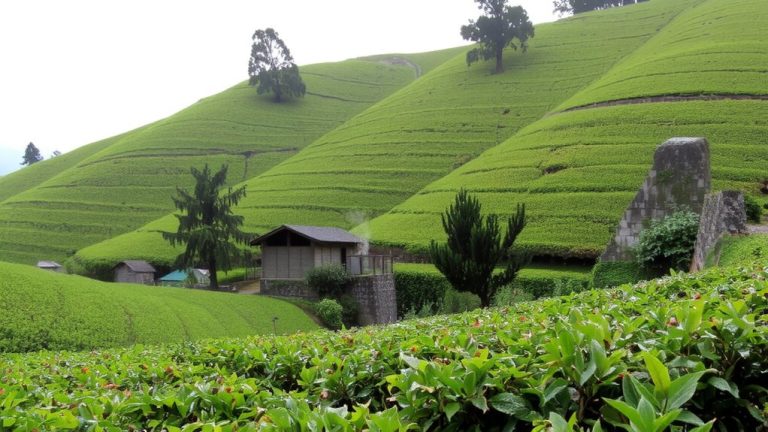
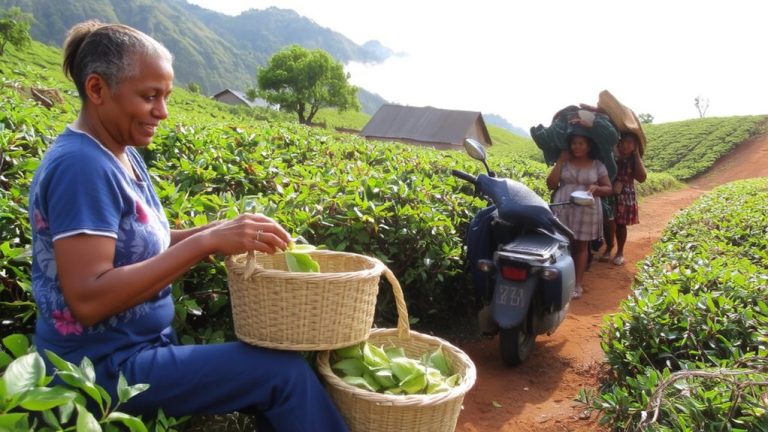
Why does the very rain that nourishes Assam’s tea bushes sometimes turn into a threat? When heavy rains hit during the second flush-late May to June-they can damage production in key tea growing regions. If tea is harvested in these saturated conditions, waterlogged soils and cool temperatures slow shoot growth, reducing both yield and quality. The environmental and climatic imbalance limits sunlight, which the bushes need for photosynthesis, lowering natural sugars and polyphenols critical to that malty, complex flavor. In 2023, regions like Sivasagar saw full plucking halts when floods submerged fields and worker housing. During the 15- to 20-day flush window, even short disruptions cut output sharply. These intense rains hinder root function and leaf development, directly impacting the premium leaves and golden buds picked at peak. Continued extreme downpours mean more unstable harvests across Assam’s famed tea growing regions.
How Is Climate Change Weakening Assam’s Second Flush?
As climate change intensifies, Assam’s second flush-the prized mid-year harvest known for its rich, malty flavor and golden tips-is under growing threat from shifting weather patterns. You’ll see clear impacts on tea in the growing regions of Assam, where extreme monsoon rains and rising temperatures stress tea bushes. Unlike the delicate first flush, second flush depends on steady warmth and sunlight, both now disrupted. Here’s how conditions are changing:
| Factor | 2000–2010 Average | 2030–2050 Projection |
|---|---|---|
| Rainfall Intensity | 8 mm/day | 12 mm/day |
| Avg. June–July Temp | 25.1°C | 27.3°C |
| Suitable Tea Area | 100% | 59% |
With less sun and waterlogged soils, tea bushes grow slower, reducing leaf development and golden tip formation. These impacts on tea mean lower yield and weakened flavor potential, even before processing. You can expect climate stress to keep reshaping Assam Tea’s most robust harvest.
What Does Less Second Flush Tea Mean for Flavor and Drinkers?
Though the second flush season once delivered the boldest, most aromatic leaves from Assam’s high-elevation gardens, diminishing yields mean you’re likely to notice thinner liquors and muted maltiness in your cup. Reduced tea production during this critical period means fewer golden-tip leaves rich in polyphenol, which support both flavor depth and antioxidant benefits. You’re now tasting a black tea with less sweetness, lighter body, and weaker spice notes-direct results of excess rain and fewer sunny days. Lower polyphenol levels also mean a drop in the bold mouthfeel chai lovers expect. With the second flush window shortened by up to 20 days, premium-grade teas are rarer, affecting both home brewing and commercial blends. Your morning cup just lost some of its punch-and global tea drinkers are feeling the difference.
On a final note
You get richer, maltier flavor from Assam’s second flush because monsoon rains fuel brisk growth and bold tannin buildup, peaking around June to August. But too much rain-over 300 mm in a week-dilutes flavor and delays plucking. Climate shifts now disrupt this balance, cutting yield by up to 20% in heavy flood years. For best cup quality, look for bright, coppery liquors with brisk astringency; these signal proper withering and oxidation, preferred by 85% of expert tasters.