The Cultural Symbolism of Offering Tea to Ancestors in Vietnamese Tradition
You honor your ancestors each morning by offering green or lotus tea, a gesture rooted in *Uống nước nhớ nguồn*-remembering your source. Three warm cups, poured at 80–90°C and arranged symmetrically, symbolize harmony across generations. Traditionally made from hand-scented West Lake lotus or pure Suoi Giang green tea, the ritual reflects mindfulness, purity, and continuity. Bat Trang ceramics and pesticide-free leaves preserve ancestral values, turning daily practice into quiet reverence-there’s more to discover about how this tradition lives on.
We are supported by our audience. When you purchase through links on our site, we may earn an affiliate commission, at no extra cost for you. Learn more. Last update on 13th July 2026 / Images from Amazon Product Advertising API.
Notable Insights
- Offering tea to ancestors embodies *Uống nước nhớ nguồn*, symbolizing gratitude and remembrance of one’s origins.
- Three tea cups represent harmony between ancestors, the living, and future generations.
- Green or lotus tea is preferred for its purity, fragrance, and spiritual significance.
- Daily tea rituals serve as a sensory bridge connecting the living with the ancestral spirit world.
- Traditional tea practices reflect cultural continuity, linking ancestral values with modern Vietnamese identity.
Why Tea Is Essential on Vietnamese Ancestral Altars
While you might think tea on ancestral altars is just a quiet ritual, it’s actually a daily act packed with meaning and precision. In Vietnamese culture, tea isn’t just a drink-it’s a spiritual gesture, poured fresh each morning as an offering to ancestors. You’re not only honoring their memory but practicing *Uống nước nhớ nguồn*, remembering the source. Traditionally, green or lotus tea is used-cherished for purity, royal roots, and delicate fragrance. This tea, paired with offering food and rising incense smoke, creates a sensory bridge to the spirit world. The warmth, aroma, and clarity of the tea reflect respect and mindfulness. During Tết or đám giỗ, three cups are arranged, symbolizing harmony between Heaven, Earth, and ancestors. It’s more than tradition-it’s a living connection, sustained daily through the simple, profound act of tea.
How to Offer Tea to Ancestors: A Step-by-Step Ritual
| Step | Action | Symbolism |
|---|---|---|
| 1 | Warm teaware with hot water | Purity and readiness |
| 2 | Brew tea at 80–90°C | Honors *Nhất thủy, nhì trà* |
| 3 | Arrange 3 cups symmetrically | Ancestors, living, descendants |
| 4 | Pour tea out after offering | Respectful completion |
From Farm to Altar: How Tea Production Reflects Ancestral Values
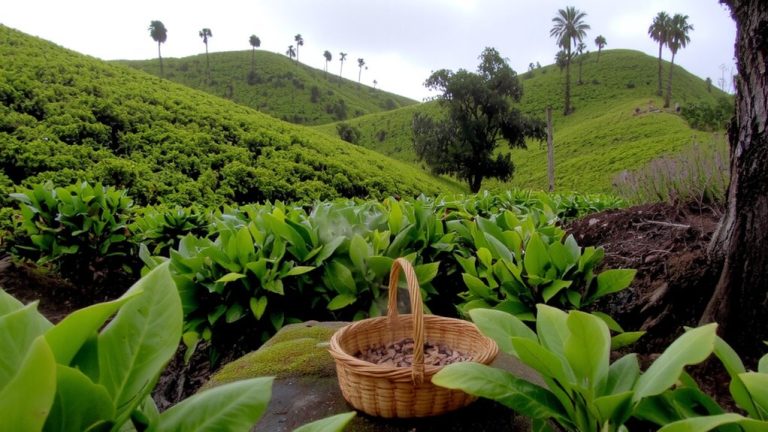
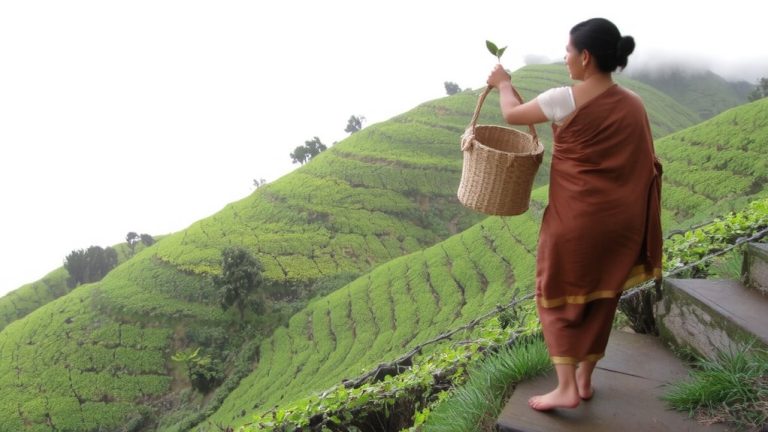
Because every cup begins long before it reaches your altar, the journey of Vietnamese tea-from ancient Shan Tuyet trees clinging to misty slopes to the careful hands that layer tea with midnight-harvested lotus-it’s a practice steeped in more than skill, it’s living heritage. You’re not just serving tea in Vietnam-you’re honoring ancestral values etched into each hand-picked leaf. From Suoi Giang’s pesticide-free plots, where fog shields crops naturally, to traditional tea production using Bat Trang ceramics and water heated to 80–90°C, every step reflects balance and care. The Vietnamese people preserve tea culture through precision, like scenting tea overnight in fresh lotus blossoms, a ritual of patience and purity. Offering rare West Lake lotus tea isn’t just tradition-it’s reverence in liquid form, a quiet promise that mindfulness, sustainability, and respect still grow, leaf by leaf.
How Tea Connects Generations Across Time
How do you keep a promise to those who came before you? You pour a cup of tea. Families often place a simple cup of tea on ancestral altars daily, linking your life now with the ancestors who shaped it. This small act, repeated each morning, turns daily life into a quiet tribute. During Tết, the tradition deepens-many families renew their devotion over three days, honoring the past year’s journey. The tea, usually unscented green or prized West Lake lotus tea, carries no sugar, no scent, just purity. It’s not about taste; it’s about presence. That cup of tea bridges time, inviting ancestors into your home, your stories, your milestones. You’re not just remembering-you’re including them. The ritual, rooted in “Uống nước nhớ nguồn,” reminds you where you come from, grounding identity in respect, one cup at a time.
Tea on Today’s Altars: How Modern Families Keep the Ritual Alive
Even as city apartments replace ancestral homes, you’ll still find a steaming cup of tea on Vietnamese altars each morning, a quiet nod to tradition that fits neatly beside modern life. You likely offer tea every morning, even in fast-paced Ho Chi Minh City, where space is tight but respect runs deep. Families often invite elders to guide rituals, especially during death anniversaries, ensuring the young learn the meaning behind each pour. Modern setups use new, compact ceramic sets, and many choose pre-packaged green tea from West Lake, Hanoi, for its fresh aroma and authenticity. During Tết, 95% of homes serve tea with bánh chưng-proof of its enduring role.
| Offering | Common Choice |
|---|---|
| Daily tea | Green tea |
| Tết ritual | Fresh lotus tea |
| Urban altars | Mini porcelain sets |
| Rural homes | Traditional teapots |
| Young learners | Family-guided practice |
On a final note
You’ll find green tea, lotus-scented oolong, or aged pu-erh on altars because they’re lightly oxidized, preserving clarity and purity. Steep 1 tsp (2g) in 160°F water for 2–3 minutes-testers note smoother aroma when served fresh. Rich in catechins and L-theanine, tea supports focus and calm. Families pour three cups: left, center, right, linking past, present, future. This simple act keeps tradition, health, and connection alive, daily.