Why Sri Lankan Orange Pekoe Grade Reflects Leaf Size, Not Flavor
Your Sri Lankan Orange Pekoe grade reflects leaf size, not flavor, because it’s based on whole leaves that pass through 8–12 mesh screens, a standard from colonial trade that values appearance over taste. OP means medium, wiry leaves without buds; FOP and TGFOP add young tips, boosting complexity. Yet, two OP teas can taste different due to elevation, monsoon patterns, and oxidation. Elevation affects thickness, while golden tips add sweetness-factors not captured by grade alone, but key to what you’ll actually taste.
We are supported by our audience. When you purchase through links on our site, we may earn an affiliate commission, at no extra cost for you. Learn more. Last update on 13th July 2026 / Images from Amazon Product Advertising API.
Notable Insights
- Orange Pekoe is a leaf size grade defined by whole leaves passing through 8–12 mesh screens, not by flavor or tea type.
- The grading system focuses on physical characteristics like leaf length and integrity, not taste or aroma profiles.
- Sri Lankan tea grades like OP, FOP, and TGFOP classify leaves by size and presence of buds, not quality or flavor.
- Colonial-era grading prioritized uniformity for export, using appearance-based standards over sensory evaluation.
- Flavor varies within OP grade due to terroir, harvest conditions, and processing, despite consistent leaf size.
What Orange Pekoe Actually Means: It’s Not a Flavor
Ever wonder why it’s called Orange Pekoe if there’s no orange in sight? You’re not alone. Orange Pekoe isn’t a flavor or a type of tea, but a leaf grade based on size and form. The grading system is based on whole tea leaves plucked from the top of the tea plant-specifically long, unbroken leaves that pass through 8–30 mesh screens. These whole tea leaves are classified as Orange Pekoe (OP), while smaller fragments become Broken Orange Pekoe. The “Orange in Orange Pekoe” likely honors the Dutch House of Orange-Nassau, not fruit. “Pekoe” comes from the Chinese word baihao, referring to the white downy hairs on young buds. This term highlights tender growth, not taste. So when you see Orange Pekoe, you’re seeing a promise of leaf size, not citrus.
How Leaf Size Defines Orange Pekoe Grade in Sri Lanka
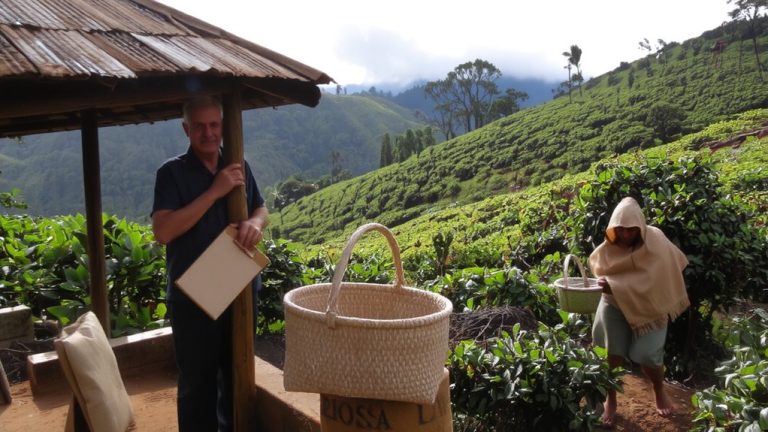
Orange Pekoe isn’t about flavor, and now you know it’s tied to leaf size-but in Sri Lanka, that size is measured with real precision. When you see “OP” on a package, it means the tea meets a strict leaf grade: whole leaf sets that pass through 8–12 mesh screens, ensuring uniform, medium-sized leaves. Factories across Sri Lanka use vibrating screens to sort plucked leaves, selecting slightly mature ones-long and wiry, without buds-for Orange Pekoe. It’s not about quality, but consistency, a standard born from British Colonial trade that still shapes the tea industry today. Unlike higher grades like TGFOP, OP contains no tips, just clean, intact leaves. This focus on leaf size streamlines tea grading and keeps brewing predictable. So when you brew an OP tea, you’re experiencing tradition, precision, and process-not a flavor profile, but a defined leaf grade rooted in Sri Lanka’s tea legacy.
How Colonial History Shaped Tea Grading Practices
While you might think tea grade tells you about flavor or quality, it actually reflects a system built during British colonial rule to simplify export trade, not taste. The Orange Pekoe tea grading system began in British colonial India and spread to Sri Lanka, focusing on leaf size and whole leaves to meet European demands. This colonial history prioritized appearance-based grading-using 8–30 mesh screens-for uniformity and pricing. “Orange” may honor the Dutch House of Orange-Nassau, while “Pekoe” comes from baihao, describing downy buds in Chinese, though it’s unrelated to actual Chinese grading.
| Factor | Role in Grading |
|---|---|
| Leaf size | Determines grade |
| Whole leaves | Higher value |
| Mesh screen size | Sorts leaf grades |
| Colonial trade | Shaped standards |
Today’s Sri Lanka uses this system globally, valuing visuals over flavor.
Decoding Orange Pekoe Labels: OP, FOP, and TGFOP
What do those letters on your tea box actually mean? Orange Pekoe (OP) refers to a leaf grade of whole black tea leaves, usually from Sri Lanka or India, with a leaf size between 8–30 mesh-long and unbroken, but not necessarily flavorful. Move up to Flowery Orange Pekoe (FOP), and you’re getting young leaf buds plus the first two leaves, resulting in a lighter, more aromatic brew. Tippy Golden Flowery Orange Pekoe (TGFOP) goes further, packing in golden tips-those unopened, downy buds that signal high-quality tea grading. These golden tips add richness, not sweetness, and are prized in premium Darjeeling and Assam black teas. The system ranks leaf size and appearance, not taste. Larger leaves or more buds mean higher value, but not guaranteed flavor across estates. You’re paying for neatness, not nuance.
Why Orange Pekoe Teas Taste Different at the Same Grade
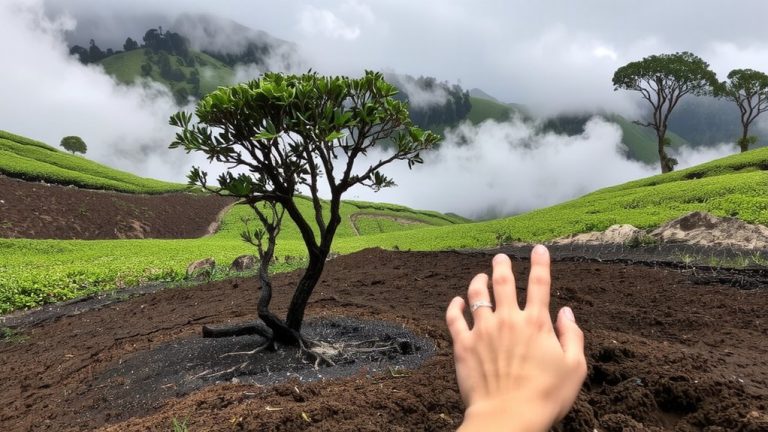
Even if two teas carry the same Orange Pekoe (OP) label, you’ll likely taste distinct differences between them, and that’s completely normal. The Orange Pekoe leaf grade refers only to leaf size, not flavor, so flavor variation is expected. In Sri Lanka, estate differences-like elevation, soil, and monsoon patterns-shape each tea’s character, even within the same leaf grade. Processing methods and oxidation levels vary by producer, directly influencing taste, body, and aroma. You might find golden tips in one OP batch but not another, adding subtle sweetness or complexity. Harvest conditions, including rainfall and plucking season, alter the leaf’s chemistry, affecting flavor across crops. So while the label stays consistent, factors like climate, technique, and terroir drive the actual experience. Knowing this helps you explore Orange Pekoe teas more thoughtfully, focusing not just on grade, but on origin, harvest time, and estate reputation for a richer, more informed cup.
On a final note
You now know orange pekoe isn’t about flavor-it’s a grading term based on leaf size, not taste. In Sri Lanka, OP, FOP, and TGFOP reflect whole-leaf grades, influenced by colonial trade rules. Larger leaves, like those in TGFOP, unfurl slowly, releasing nuanced flavors. Real testers note smoother, more complex brews from higher grades. While all black teas offer antioxidants, leaf integrity affects strength and mouthfeel. For best results, steep 3–5 minutes in 200°F water. Choose TGFOP for depth, OP for balance.