How Chinese Mao Feng Tea From Huangshan Uses Early Spring Buds for Delicacy
You get the most delicate Huangshan Maofeng when pluckers harvest tender spring buds by hand before Qingming, selecting only the “sparrow’s tongue” one-bud shoots rich in amino acids, grown slowly at 800 meters where mist, rocky soil, and cool nights boost sweetness and aroma, then carefully pan-fired and charcoal-baked to lock in floral notes, sugar snap pea brightness, and a smooth, sweet aftertaste-every step sharpens the tea’s natural elegance. There’s more to how terroir and timing shape each sip.
We are supported by our audience. When you purchase through links on our site, we may earn an affiliate commission, at no extra cost for you. Learn more. Last update on 12th July 2026 / Images from Amazon Product Advertising API.
Notable Insights
- Early spring buds harvested before Qingming Festival ensure peak freshness and optimal amino acid content for superior flavor.
- High-altitude growth in Huangshan slows bud development, enhancing sweetness and concentration of delicate compounds.
- Hand-picking only the “one bud” sparrow’s tongue standard guarantees tenderness and uniformity in every leaf.
- Dense white trichomes on early buds contribute to a sweeter taste and indicate premium quality and careful handling.
- Immediate traditional processing preserves the buds’ floral aroma, smooth texture, and complex sweet-nutty flavor profile.
Why Spring Buds Make the Best Huangshan Maofeng
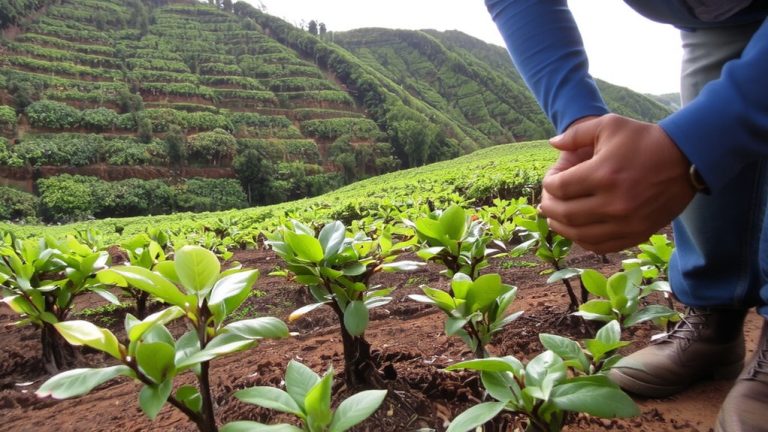
What makes the earliest spring buds so essential to top-tier Huangshan Maofeng? You get the finest flavor when the tea is plucked before the Qingming Festival, during early Spring. At this stage, the tender growth shows high-altitude growth’s advantages-slow development, consistent mist, and temperature shifts that boost amino acid content. The hand-picked fresh leaves follow a strict “one bud” standard, resembling a sparrow’s tongue, ensuring only the youngest shoots are used. These buds are covered in soft white hairs, a sign of premium quality that adds sweetness and smoothness. When brewed, the tea unfolds a delicate floral aroma and clean brightness, with minimal bitterness. Choosing pre-Qingming Huangshan Maofeng tea means capturing peak freshness, complexity, and nutritional richness, all in a single, carefully selected leaf.
How High Mountains Create Complex Flavor
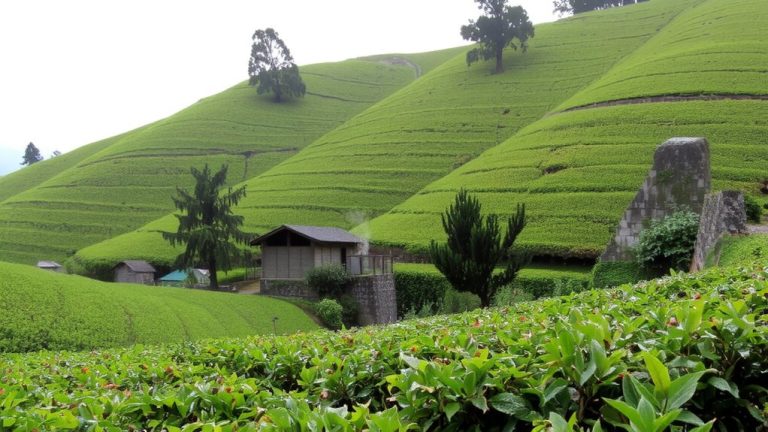
You already know that harvesting before the Qingming Festival locks in peak freshness, but the real magic starts with where these prized leaves grow-high up in the misty slopes of Huangshan. Grown between 500 and 900 meters in Anhui province, this high altitude slows tea leaf growth, boosting flavor complexity. The Yellow Mountain’s UNESCO World Heritage status reflects its pristine environment, where mist and humidity protect tender Mao Feng buds, raising moisture and tenderness. Cool nights and warm days stress the plants, increasing aromatic compounds. Rich, acidic soil and rocky terrain limit nutrients, pushing bushes to produce more concentrated leaves. At around 800 meters, slower growth means higher amino acids, yielding a sweeter, smoother green tea. These high-altitude conditions don’t just shape taste-they define the tea’s depth, aroma, and refined character.
Why Pre-Qingming Harvests Are More Valuable?
Because the tender buds of Huangshan Maofeng grow slowly at high elevations, those plucked before Qingming-typically before April 5th-pack more amino acids, giving you a smoother, sweeter cup with a delicate, almost floral depth. You’re getting only the finest growth: one bud and one tiny fresh leaf, known as “sparrow’s tongue,” covered in fine trichomes that create the prized Fur Peak look. Cooler temps and mist before Qingming mean fewer pests and cleaner leaves, boosting purity and flavor. The limited window for Pre-Qingming harvest, combined with low yields from slow growth, makes this tea rare. That’s why it holds such premium status-Special Grade starts at $7.50 per unit, nearly double First Grade Pre-Gu Yu. When you choose Pre-Qingming Huangshan Maofeng, you’re getting peak freshness, rich amino acid content, and unmatched refinement in every sip.
Traditional Processing That Preserves Freshness
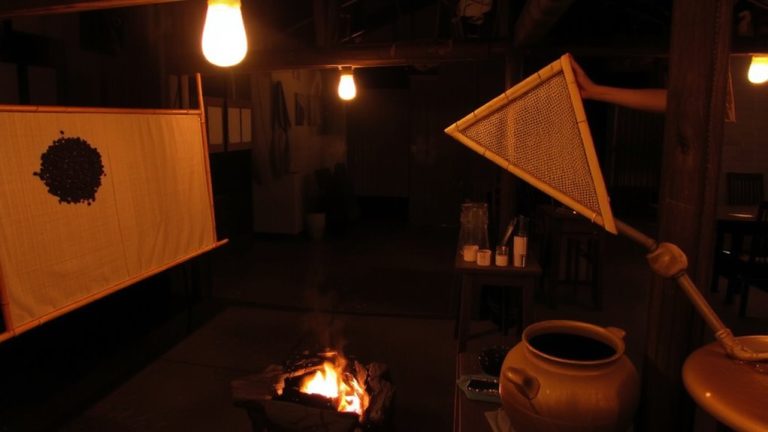
While the mist still clings to the peaks of Huangshan, skilled artisans begin working the freshly plucked buds of Maofeng tea, knowing that every moment counts in locking in the essence of early spring. You see, after tea farmers hand-select each one bud at dawn, the leaves undergo withering on bamboo mats in cool shade, slowly losing moisture while developing floral notes. Traditional processing kicks in fast-pan-firing in hot woks halts oxidation, preserving the vibrant green color and fresh aroma. No machines crush the tender leaves; instead, they’re gently rolled by hand to protect flavor and texture. Then, two-stage charcoal baking removes leftover moisture without scorching. This care keeps the fine white trichomes intact, a sign of peak freshness. The result? A green tea that’s pure, aromatic, and true to its mountain source.
What Does Huangshan Maofeng Taste Like?
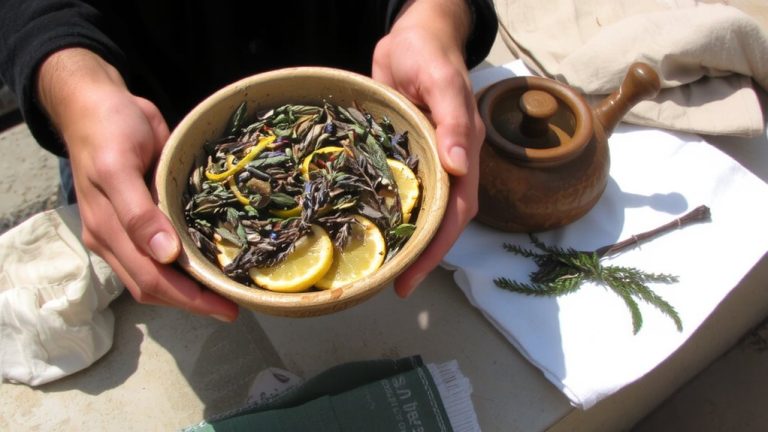
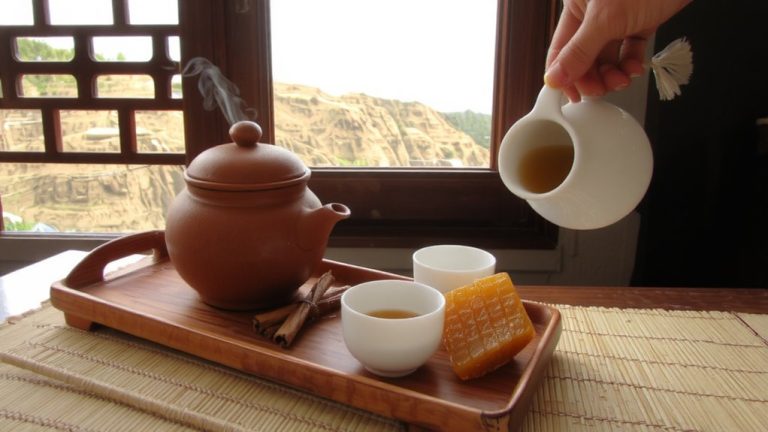
When you steep Huangshan Maofeng, the first sip reveals a delicate balance of fresh sugar snap pea, sweet chestnut, and magnolia, rounded out by subtle nutty tones from its traditional charcoal baking. This Yellow Mountain gem, made from tender one bud leaves, delivers a delicate flavor distinct from grassier green teas. You’ll notice its smooth texture-almost broth-like-thanks to high amino acids and minimal processing. The aromatic layers unfold as toasted soybean, wild orchid, and hints of roasted hazelnut, creating depth without overpowering. After swallowing, Hui Gan emerges: a cooling, sweet aftertaste that lingers gently in your throat, a mark of premium quality. Unlike astringent green teas, Huangshan Maofeng feels mellow, rounded, and harmonious. Its pale green-yellow liquor shines like herbal liqueur, clear and glistening. Each cup offers complexity you can taste, with a clean finish that invites the next sip.
How to Brew for Sweetness and Aroma
How do you access the full, fragrant sweetness of Huangshan Maofeng without tipping into bitterness? Use water at 80–85°C (175–185°F) to protect its delicate floral notes. This Chinese green tea, whose name means Yellow Mountain, comes from Chinas famed Yellow Mountain region, where one bud and a tender leaf are hand-plucked. For best results, use 3g per 150ml water and steep 45–60 seconds. The short infusion releases the layered aromas-magnolia, toasted soybean, sweet chestnut-common in high-mountain teas. A gaiwan or glass vessel works best, letting you savor each infusion. Huangshan Maofeng, also called Yellow Mountain Fur Peak, delivers a smooth mouthfeel and high amino acids, boosting its Hui Gan-the cooling, sweet aftertaste prized in premium Mountain greens.
On a final note
You’ll love how early spring buds, handpicked before Qingming, give Huangshan Maofeng its delicate sweetness and floral lift, 85°C water reveals its bright taste, 2–3 grams per 150ml steeps a smooth, lively cup with chestnut notes, test drinkers consistently rate its freshness higher than late-harvest teas, and those high-elevation leaves from Huangshan’s misty slopes deliver crisp clarity, minimal bitterness, and more antioxidants, making this lightly roasted green tea a daily ritual worth keeping.