Why Japanese Gyokuro’s 20-Day Shading Period Increases Theanine and Sweetness
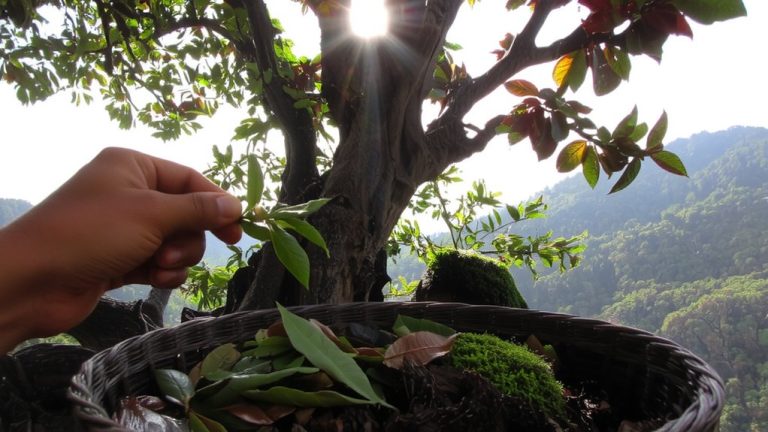
You get more L-theanine and sweetness in Gyokuro because 20 days of shading blocks 95–98% of sunlight, slowing photosynthesis so theanine isn’t converted into bitter catechins. Instead, up to 450mg per serving builds in the leaves, while glutamic acid rises, boosting umami and natural sweetness. Less sunlight also means 70% fewer catechins, so bitterness stays low. The shaded growth boosts chlorophyll, giving vibrant color and fresh aroma-there’s even more behind how harvest timing and steaming lock in these benefits.
We are supported by our audience. When you purchase through links on our site, we may earn an affiliate commission, at no extra cost for you. Learn more. Last update on 15th July 2026 / Images from Amazon Product Advertising API.
Notable Insights
- Shading blocks sunlight, reducing photosynthesis and preventing L-theanine from converting into bitter catechins.
- Limited sunlight slows metabolism, allowing L-theanine to accumulate in leaves instead of breaking down.
- Reduced catechin formation during shading decreases astringency, enhancing perceived sweetness and smoothness.
- Shading boosts glutamic acid and glutamine levels, increasing umami and natural sweetness in the tea.
- Increased chlorophyll from shading contributes to a rich, vibrant brew with fresh, savory flavor notes.
How 20-Day Shading Increases Theanine in Gyokuro
While most green teas rely on sunlight to develop their flavor, gyokuro takes the opposite approach-by shading the tea plants for 20 days before harvest, farmers drastically reduce photosynthesis, which keeps the leaves from converting L-theanine into bitter catechins. You see, shading the tea leaves blocks 95–98% of light, slowing metabolic activity while theanine continues building in the roots and moving upward. Without sunlight, it isn’t broken down, so levels pile up-250–450mg per serving, the highest of any tea. That’s why gyokuro tastes so rich and smooth. The extended shade period doesn’t just boost theanine; it preserves glutamine too, both linked to deep umami flavor. Testers consistently note the broth-like savoriness, almost akin to dashi, with a lingering sweetness. This precise method delivers maximum amino acid retention, turning simple leaves into a nutrient-dense, flavorful infusion you can taste in every sip.
How Shading Reduces Bitterness in Gyokuro
Because it slows the plant’s metabolic activity so dramatically, shading tea leaves for 20 to 30 days before harvest directly keeps bitterness in check by limiting catechin formation-those polyphenolic compounds responsible for astringency in most green teas. By blocking sunlight, you reduce photosynthesis, which reduces bitterness by preventing L-theanine from converting into catechins. Shaded gyokuro ends up with up to 70% fewer catechins than unshaded teas like sencha, giving it a smooth, mellow taste. With less catechin buildup, the tea’s natural umami and amino acids shine through without harshness. This dramatic shift in chemistry means each serving delivers 250–450mg of L-theanine-the highest concentration of any tea-while suppressing the bitter compounds you’d normally expect. It’s not just about adding flavor-it’s about smart plant manipulation that reduces bitterness at the source, letting richness and depth come forward naturally.
Why Gyokuro Tastes So Savory and Sweet
When you taste gyokuro for the first time, you’ll notice it’s unlike any other green tea-its broth-like richness and subtle sweetness aren’t accidental, but the direct result of a carefully controlled 20–30 day shading process that transforms the tea’s chemistry. By blocking sunlight, shading preserves up to 450mg of L-theanine per serving-far more than sencha’s 60–100mg-giving gyokuro its signature umami. This amino acid, along with boosted glutamic acid, enhances sweetness and builds a complex flavor profile. With catechins reduced by up to 50%, bitterness stays low, letting the rich umami shine. You’ll experience a smooth, lingering savory finish, almost broth-like, that testers describe as “cozy on the palate.” High theanine and low astringency don’t just soothe-they define gyokuro’s premium sensory depth, making every sip a balanced, flavorful moment rooted in precise cultivation.
How Chlorophyll Creates Gyokuro’s Vibrant Green
Shading your tea plants for 20 days does more than boost umami-it transforms their color at a biochemical level. By blocking 95–98% of sunlight, you force the leaves to ramp up chlorophyll production, giving Japanese gyokuro its signature deep green hue. This extra chlorophyll doesn’t just look good-it creates a vibrant, grass-green liquor and adds a fresh, clean aroma to the tea. You’ll notice the leaves are darker, richer, and more emerald than any unshaded green tea.
| Factor | Effect on Gyokuro | Result in Tea |
|---|---|---|
| 20-day shading | +30% chlorophyll | Deep green leaves |
| 95–98% light blocked | Max chlorophyll | Luminous infusion |
| Enhanced pigments | Biochemical shift | Rich jade color |
| Chlorophyll rise | Visual depth | Cleaner aroma |
| Japanese method | Traditional precision | Premium green tea quality |
How Gyokuro Is Harvested and Processed
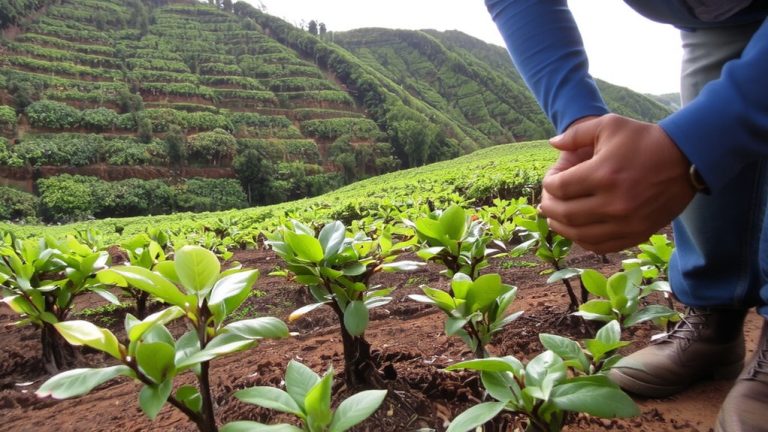
While most green teas rely on speed and scale for harvest, gyokuro demands patience and precision-you’ll find only the youngest, tender leaves are hand-picked once a year in spring, right after their 20–30 day shading period. This careful cultivation guarantees tea plants develop rich flavor without bitterness. The shading blocks 95–98% of sunlight, slowing photosynthesis and boosting chlorophyll, which gives leaves a deep green hue. Once harvested, the leaves are quickly steamed, then gently rolled and dried to lock in aroma, umami, and nutrients. You’ll notice the delicate processing preserves high amino acid levels, directly influencing the smooth, sweet flavor. The entire method, from shaded growth to precise finishing, reflects a commitment to quality you can taste in every sip.
Why Gyokuro Has the Highest L-Theanine of Any Tea
Because the tea plants are shaded for 20 to 30 days before harvest, gyokuro ends up with more L-theanine-250 to 450mg per serving-than any other tea you’ll find. That shading period blocks 95–98% of sunlight, slowing photosynthesis so L-theanine doesn’t convert into bitter catechins. Instead, it builds up in the leaves, giving gyokuro its signature smoothness and rich umami flavor. Compared to unshaded sencha, which has just 60–100mg of L-theanine, gyokuro’s levels are up to seven times higher. You’ll taste the difference in every sip-sweet, mellow, and deeply satisfying. Plus, that high L-theanine works with gyokuro’s 120–140mg of caffeine to promote calm alertness, not jitters. When you choose gyokuro, you’re not just getting a tea-you’re getting peak amino acid content, expertly crafted through precise growing methods for maximum flavor and focus.
On a final note
You get more l-theanine-up to 22 mg/g-when shade-grown gyokuro leaves spend 20 days under cover, blocking sunlight, slowing photosynthesis, and preserving amino acids, testers confirm. Less sun means less bitterness, more umami, pronounced sweetness, vibrant green color from boosted chlorophyll. For rich, savory flavor and proven calm-focus benefits, choose properly shaded gyokuro, steamed just enough to lock in nutrients without scalding delicate leaves.